
• siteprobathrooms

Bathroom Exhaust Fan Installation: A DIY Homeowner’s Guide

You've probably seen the signs already. The mirror stays fogged long after the shower ends. Towels feel damp by lunchtime. Paint near the ceiling starts to look tired, and grout lines never seem fully dry.

That's usually where homeowners start thinking about bathroom exhaust fan installation. Not because the fan grille looks old, but because the room feels wrong. In a bathroom renovation, ventilation isn't a finishing touch. It's part of the build system. If the fan is decent but the duct is too long, the room stays wet. If the duct is fine but the termination dumps into the roof space, moisture still ends up where it shouldn't. You can install a fan perfectly and still get a poor result if the airflow path is wrong.

That system view matters whether you're planning a practical family update, exploring new bathroom ideas, or aiming for modern bathrooms and designer bathrooms with premium finishes. Moisture doesn't care how much the tiles cost. It goes after plaster, paint, cabinetry, insulation, and timber all the same.

Why Your Bathroom Renovation Needs Proper Ventilation

A bathroom can look finished and still be vulnerable. Fresh tiles, a new vanity, better lighting, and clean fixtures won't stay that way if moisture keeps hanging in the room after every shower.

Good ventilation protects the parts of the renovation you don't want to redo. Ceiling paint lasts longer. Silicone and grout stay cleaner. Cabinet doors are less likely to swell or warp. The room feels healthier to use every day.

Moisture is a building problem, not just a comfort problem

Steam on the mirror is typically noticed first. The bigger issue is what happens after that steam settles. It lands on walls, ceilings, window frames, trims, and inside the room's colder surfaces. Over time, that repeated damp cycle is what drives mould, peeling finishes, and stale odours.

In sealed, energy-efficient homes, that risk becomes more obvious because moisture doesn't escape as easily on its own. Ventilation has to do the work.

Practical rule: If moisture is still clinging to surfaces well after a shower, the room isn't clearing properly.

This is why ventilation should be considered early in bathroom renovations, not after the tiling is done. If you're changing layout, ceiling linings, lighting, or cabinetry, that's the time to think about the full extraction path.

The fan protects your renovation investment

A lot of homeowners spend time choosing tapware, stone, niches, feature tiles, and vanity finishes, then treat the exhaust fan like a cheap add-on. That's backwards. A poor ventilation setup can shorten the life of almost every visible surface in the room.

That also ties into build quality and compliance. If you're investing properly, it's worth understanding why using a registered builder matters for your bathroom renovation. Coordination matters when waterproofing, electrical work, ceiling penetrations, and moisture control all meet in one small space.

What actually works

The bathrooms that perform well tend to have three things in place:

  • A correctly sized fan that suits the room, not one chosen only because it was cheap or in stock.
  • A sensible duct run with minimal bends and proper sealing.
  • An outdoor termination point that sends humid air out of the house, not into the roof cavity.

Miss any one of those, and the whole setup is compromised.

Planning and Sizing Your New Exhaust Fan

A fan can be perfectly good on paper and still fail in a real bathroom. I see that happen when the unit is chosen by price, face size, or noise rating, without enough thought about the duct run and where the air will leave the house. For this part of the job, size the whole system, not just the box in the ceiling.

Start with the room itself. A small ensuite with one shower has a different moisture load from a family bathroom that gets back-to-back showers, has a bath, or has a higher ceiling. Floor area gives you a useful baseline, but it is only the starting point.

Here is a practical guide for typical bathrooms.

Bathroom Size (Square Metres) Minimum Fan Capacity (CFM)
4.5 m² 50
5.5 m² 60
6.5 m² 70
7 m² 75
8.5 m² 90
9.5 m² 100

Use that table as a rough buying guide, not a guarantee of performance. If the ceiling is high, the shower is enclosed, or the bathroom is used heavily, step up the capacity. If the duct run is long or includes multiple bends, I also allow extra capacity because the fan has to work harder once it is connected to real ducting.

That trade-off matters. A quieter, lower-powered unit can be pleasant to live with, but if it cannot overcome the resistance in the duct, steam will still hang around on the mirror, ceiling, and grout. On the other hand, oversizing a fan without planning the duct path can create noise without giving you much better extraction.

Size for the room and the route

Many sizing mistakes happen before installation starts. Someone measures the bathroom, buys a fan to match the room area, then runs flexible duct across the roof space with extra length, loose sagging sections, and sharp turns. The label might say the fan moves enough air, but the installed system does not.

Check these points before you buy:

  • Room use: Main bathrooms usually need more extraction than a rarely used powder room or ensuite.
  • Ceiling height: More air volume usually means more work for the fan.
  • Duct length: Longer runs reduce real airflow.
  • Number of bends: Every bend adds resistance.
  • Termination point: Roof or wall discharge affects the route, weather exposure, and installation difficulty.
  • Available ceiling space: Some housings and duct connections need more clearance than homeowners expect.

Noise still matters

Noise is not just a comfort issue. It affects whether the fan gets used properly. If a fan sounds harsh, people turn it off the minute they leave the shower, which cuts down the drying time the room needs.

The better approach is to choose a fan that is quiet enough to tolerate and strong enough for the actual duct layout. That balance gives you a system people will keep using.

Plan the exit before the ceiling cut

In Australian homes, the biggest mistake I see is air being dumped into the roof space or a duct route being treated as an afterthought. Humid air needs a clear path to the outside. If termination is poorly placed, or the duct is crushed, kinked, or left too long, the fan cannot do its job no matter how neat the grille looks from below.

Before locking in the unit, confirm:

  • Where the duct will exit
  • How straight the run can be kept
  • Whether the roof space allows proper support and sealing
  • Whether a licensed electrician and, if needed, a roofer should be involved

If you are unsure about capacity, roof access, or compliance, get advice before purchase. It is much easier to change a fan selection on paper than patch a ceiling and replace a unit that was wrong from the start.

Tools and Materials for Your Installation Project

A smooth job usually comes down to preparation. If you're halfway through the ceiling cut and realise you still need foil tape, a vent cap, or the right screws, the day gets messy fast.

Here's the practical checklist I'd want on hand before starting.

Tools and materials laid out for a bathroom exhaust fan installation project on a drop cloth background.

Basic tools

  • Tape measure: For checking the opening size, joist spacing, and duct route.
  • Pencil and straight edge: To mark the cut line accurately from below.
  • Stud finder: Helpful when locating framing before cutting the ceiling.
  • Drill and driver bits: Needed for mounting brackets, housing screws, and vent cap fixings.
  • Ceiling saw or plasterboard saw: For cutting the opening cleanly.
  • Utility knife: Useful for trimming foil tape, insulation wrap, and packaging.
  • Ladder: Stable footing matters more than people think in overhead work.
  • Torch or headlamp: Roof spaces and ceiling cavities are rarely well lit.
  • Safety gear: Glasses, gloves, dust protection, and suitable clothing.

Installation materials

You'll also need the pieces that make the system work together:

  • Exhaust fan unit: Chosen to suit the room and the planned duct route.
  • Ducting: Use the type specified for the job. Whatever you use, avoid unnecessary sagging and bends.
  • Exterior vent cap: Roof or wall type, depending on the discharge point.
  • Foil tape: For sealing duct seams and joints.
  • Sealant or caulk: For the ceiling edge and exterior penetrations where required.
  • Mounting screws or brackets: To secure the housing properly to structure.
  • Insulation management materials: Helpful if you need to pull insulation back and reinstate it neatly around the install.

A few trade habits that save time

These aren't glamorous, but they help:

  • Buy extra foil tape: You'll use more than you think once joints and touch-ups start.
  • Lay down a drop sheet: Ceiling dust gets everywhere.
  • Pre-open the fan carton: Check the housing, grille, fittings, and instructions before climbing into the roof.
  • Sort small parts into a tray: Screws vanish quickly in insulation and debris.

A DIY install is much easier when the room, tools, and materials are organised before the first cut.

Mounting the Fan and Running the Ductwork

A bathroom fan installation succeeds or fails on the full airflow path. I see plenty of bathrooms where the grille looks neat from below, but the system above the ceiling is doing poor work because the housing is loose, the duct is kinked, or the moist air never reaches the outside. If any one of those parts is wrong, the fan cannot protect the room the way it should.

A professional installer connecting flexible aluminum ductwork to a bathroom exhaust fan housing in the ceiling.

Cut accurately and mount to structure

Start with the opening. Mark it carefully from below, then confirm from above that the fan body, duct connection, and route to the termination point all fit without forcing awkward angles. A fan can be centred perfectly in the ceiling and still be in the wrong spot if the duct has to turn sharply the moment it leaves the housing.

Fix the unit to framing or to the supplied support rails, using the fastening points intended by the manufacturer. A housing that is only half-supported often ends up noisy, and movement at the body can loosen duct connections over time.

Before you lock it in, check three things:

  • The duct collar faces the cleanest route out.
  • The housing sits flush with the finished ceiling line.
  • There is enough room to connect and support the duct properly above the unit.

That small pause saves a lot of rework.

The duct run matters as much as the fan itself

Fans do not pull moisture well through a bad duct layout. Long runs, tight bends, crushed flex duct, and low sections that collect condensation all cut performance. Homeowners often blame the fan motor when the problem is resistance in the duct.

Aim for the shortest, straightest run the house allows. If a bend is unavoidable, keep it broad rather than tight. Support the duct so it does not sag between fixing points, and seal every joint with foil tape so air stays in the system instead of leaking into the ceiling cavity.

Rigid or semi-rigid ducting usually gives better airflow than a loose, wrinkled flexible run, but access often decides what is practical in an existing home. The trade-off is straightforward. Flex duct can help in tight roof spaces, but it needs more care to avoid kinks and drag.

Terminate outside, not into the roof space

The duct must discharge outdoors through a proper roof cap or wall vent. Venting into the roof cavity moves steam and moisture from the bathroom to another part of the house, where it can soak timbers, insulation, and plasterboard over time.

This is the system view many DIY guides miss. Mounting the box is only one part of the job. The fan, the duct, and the exterior termination have to work together, or the renovation is carrying unnecessary moisture risk from day one.

In tighter floor plans, that margin for error gets even smaller. If you are planning combined wet-zone functions such as laundry zones within bathroom layouts, the room will generate more humidity and the extraction path needs to be thought through early.

What good installation looks like

A sound install is easy to describe and harder to fake. The housing is secure. The duct leaves the fan without an immediate sharp turn. Joints are taped. The run is supported. The termination is weatherproof and positioned outside the building envelope.

Poor installs tend to follow the same pattern. The fan is mounted where it fits rather than where it can vent well. The duct is left draped across the ceiling. The exterior cap is skipped, or the air is dumped into the roof space and forgotten until mould, odour, or staining shows up later.

If roof access is tight, the route is complex, or the termination needs roof penetration work, that is the point to bring in the right trades. It is far cheaper to install the ventilation system properly now than to repair moisture damage after the bathroom is finished.

Wiring Your Fan The Safe and Compliant Way

Wiring is the point where a tidy bathroom upgrade can turn into a safety problem. In Australia, fixed bathroom electrical work belongs with a licensed electrician. If you are not qualified to test, connect, and certify the circuit properly, stop here and book one in.

A fan is only one part of the ventilation system, but poor wiring can shut the whole system down or leave it running unreliably. I have seen good fan units blamed for poor performance when the actual issue was a bad connection, the wrong switching setup, or a circuit that was never planned properly with the rest of the renovation.

A close-up view of electrical wiring inside a metal junction box for a bathroom exhaust fan.

What the wiring stage actually involves

The basic sequence is simple on paper. Isolate power at the switchboard, confirm the circuit is dead, route the cable correctly to the fan junction box, make the terminal connections to manufacturer requirements, secure the cable, close the enclosure, then test operation once power is restored.

Bathrooms rarely stay simple for long. Ceiling insulation, tight roof access, older wiring, shared lighting circuits, and switch changes all affect how the job should be done. If the fan is being added late, after plasterboard, tiling, or lighting positions are locked in, the electrician has less room to solve those issues neatly.

That coordination matters. The fan needs to switch in a way that suits how the room is used, and the wiring layout needs to work alongside lighting penetrations and ceiling clearances, especially if your design includes downlights in bathroom spaces.

Why this part is usually worth handing over

Paying for a licensed electrician is not just about getting the fan to turn on. It is about getting a compliant installation that works with the rest of the system. The electrical side may involve a new supply, switch changes, isolation checks, load considerations, and fault finding if the existing circuit is not as expected.

On a full bathroom renovation, that trade coordination protects the finish you are paying for. There is no value in fitting a quality fan, running decent ducting, and terminating it properly outside if the wiring leaves the unit unreliable or unsafe.

Call a licensed electrician if any of these apply

  • There is no existing fan circuit or wiring point. A new supply changes the scope straight away.
  • The fan has extra functions. Lights, heat, timers, humidity sensors, or separate switching all add complexity.
  • The ceiling wiring is old, altered, or unclear. Guessing in a wet-area renovation is a poor decision.
  • You are changing other fixtures at the same time. Fans, lights, and switches should be planned together.
  • You cannot confidently test isolation and verify connections. That alone is enough reason to stop.

A bathroom fan should be safe, compliant, and dependable every time the room fills with steam. If there is any doubt on the wiring, get a licensed electrician involved before the ceiling is closed up.

Final Touches Testing and Troubleshooting

A bathroom fan only earns its place when the whole ventilation path works together. The grille might look tidy from below, but if the housing leaks, the duct is kinked, or the termination is blocked, steam still stays where you do not want it. That is how a good renovation ends up with peeling paint, musty smells, or moisture sitting in the ceiling cavity.

A person applying white sealant to the edges of a bathroom ceiling exhaust fan with a caulk gun.

Seal the ceiling line properly

Start at the room side. Check the gap between the fan housing and the ceiling lining, then finish that edge neatly with a paintable sealant where needed. The goal is not just appearance. A clean seal helps stop unwanted air leakage around the cut-out, which can reduce how effectively the system pulls steam through the intended path.

Fit the grille so it sits flat and square. Wipe away dust, insulation fibres, and plaster residue before you call it done. Those small details make the install look finished and help the grille sit properly.

Test the system, not just the switch

Turn the fan on and confirm it is extracting. A simple on-site check is to hold a square of toilet paper near the grille. If it lightly holds against the cover, the fan is drawing air.

Then check beyond the bathroom. Go outside and confirm air is discharging at the external vent, eave outlet, or roof cowl. If you cannot verify where the air is leaving, you have not fully tested the system.

A noisy fan can still be underperforming.

Troubleshoot in order

If extraction seems weak, work through the airflow path from end to end instead of guessing.

  • Rattling or vibration: Check the housing fixings, mounting brackets, and grille fit. A loose unit often sounds worse once the ceiling amplifies the vibration.
  • Weak suction at the grille: Inspect the duct for crushing, sagging, sharp bends, or loose joints. Flexible duct that is too long or left bunched up is a common reason a new fan feels disappointing.
  • Poor discharge outside: Check that the termination is open and clear, and that any flap or grille is not jammed shut by debris or paint.
  • Steam hanging around after a shower: Look at the whole run. Air may be leaking into the roof space through unsealed joins, or the duct route may be too restrictive for the fan you installed.
  • Cold draughts or marks around the fan: Recheck the seal at the ceiling cut-out and inspect the exterior penetration for gaps or poor weather sealing.

I see the same issue on renovation jobs more often than people expect. The fan itself is fine. The problem is usually in the ducting or the outlet. That is why testing needs to follow the full path of the air, from the bathroom ceiling to the outside.

Fix faults before the bathroom is back in use

Do not leave a loose duct, blocked outlet, or persistent rattle for later. Moist air finds the weak point quickly, and the cost shows up in mould growth, stained paint, swollen trim, or a fan nobody wants to run because it is too noisy.

If the system is still not performing after these checks, get the installer back or call the right trade. In a bathroom renovation, ventilation is not a cosmetic extra. It protects the room you just paid to upgrade.

Frequently Asked Questions About Bathroom Fans

Can I install a fan with a built-in light or heater

Yes, but the complexity goes up. Combined units can be a smart choice in smaller bathrooms where ceiling space is limited or you want a cleaner look. The trade-off is wiring and switching. Heater functions especially need careful electrical planning, so this is usually where professional input is worth it.

What if my bathroom has no attic or roof space access

It can still be done, but access limits your options. The install may need to happen from below, and the duct route needs more thought. In those bathrooms, planning matters more than ever because there's less room for correction once the ceiling is cut.

How often should I clean the fan

Clean it regularly enough that dust doesn't build up on the grille and internal parts. In practical terms, if the grille is visibly dusty, it's time. Turn off power first, remove the cover carefully, vacuum or wipe away dust, and reinstall it properly. A clean fan maintains airflow more effectively than one clogged with lint and debris.

Can I vent the fan into the roof space if it's only temporary

No. Even as a stopgap, it's a bad idea. The whole purpose of the system is to remove humid air from the building, not relocate it into a cavity.

Is a bigger fan always better

Not automatically. Oversizing without considering noise, duct layout, and room use can leave you with a fan that's unpleasant to run. The better approach is matching the fan to the room and the discharge path, then making sure the full system is installed properly.


If you're planning bathroom exhaust fan installation as part of a full upgrade, the smartest results come from treating ventilation as part of the renovation system, not a separate accessory. SitePro Bathrooms helps homeowners across Highett and greater Victoria design and deliver bathrooms that look sharp and perform properly for the long term. If you want practical guidance, coordinated trades, and a renovation approach that protects the whole room, explore SitePro Bathrooms.

  • siteprobathrooms

Cost to Renovate a Bathroom: A 2026 VIC Guide

A basic bathroom renovation in Australia usually lands around A$10,000 to A$20,000, a mid-range renovation sits around A$20,000 to A$35,000, and a high-end bathroom starts at A$35,000+. In Highett and across Victoria, where older homes often hide compliance issues and tired plumbing, your final cost often depends less on the room's size and more on what's behind the walls.

Most homeowners start in the same place. The bathroom feels dated, the grout never looks clean, the shower screen annoys you, and you've saved a rough figure in your head without knowing whether it's realistic. Then the quotes start coming in, and the gap between “new vanity and tiles” and “full rebuild” becomes very real.

That's where the cost to renovate a bathroom gets misunderstood. People naturally focus on the things they can see. Tiles, tapware, vanity, mirror, lighting. In practice, the expensive part is often the work you can't show off when the job is finished. In Victoria, that can include waterproofing, plumbing changes, electrical upgrades, and remedial work once demolition starts.

Thinking About a Bathroom Renovation

You stand in your current bathroom after another leaking shower screen, cracked grout line, or vanity drawer that no longer closes properly, and the question sounds simple. How much will it cost to redo it? In Highett, the honest answer depends on what sits behind the tiles as much as what you want to see when the job is finished.

A “new bathroom” can mean a quick visual update, or it can mean stripping the room back to the framing, correcting old work, and rebuilding it to current Victorian standards. Homeowners often budget for fixtures first because they are easy to price online. The cost to renovate a bathroom is often misunderstood at that stage. Waterproofing, plumbing alterations, electrical work, substrate repairs, and compliance items are usually what push a project beyond the figure people first had in mind.

Start by defining the real scope

Before talking finishes, define the type of job.

  • Basic renovation suits a bathroom that works reasonably well but looks tired. The layout stays largely the same, and the focus is on replacing fixtures and finishes.
  • Mid-range renovation usually involves a full strip-out, better-quality fixtures, improved storage, and some changes to how the room functions.
  • High-end renovation includes custom joinery, premium materials, layout changes, and more labour-intensive detailing.

That distinction matters because layout changes trigger extra trade work fast. Move a shower, toilet, or vanity and you may also be moving waste points, water lines, floor falls, power, lighting positions, and waterproofing zones. On paper it looks like a design choice. On site it changes labour, materials, coordination, and risk.

A simple rule helps. If the services are moving, treat it as a rebuild, not a cosmetic update.

Why local Victorian context matters

Highett homes often come with history. Older brick homes, weatherboards, and units around Bayside can hide failed waterproofing, swollen wall sheeting, out-of-level floors, outdated plumbing, and patch-up work from previous renovations. None of that shows in a Pinterest image or a national average.

That is why generic bathroom cost articles often miss the mark for local owners. A bathroom with easy access, modern plumbing, and sound structure is one type of project. A bathroom in an older Highett home that needs rectification, new waterproofing, or compliance upgrades is another, even if both rooms are the same size.

Registered builder involvement matters here. In Victoria, the job is not just about fitting off nice tapware. It is about coordinating licensed trades properly, handling waterproofing and wet-area requirements, and pricing the hidden work before demolition turns up surprises. That usually leads to a quote that feels more realistic from day one.

If you want a budget that holds up, start with two questions. What are you changing, and what is likely to need fixing once the old bathroom comes out?

Bathroom Renovation Costs in Victoria for 2026

A bathroom in Victoria can sit in the same footprint and still land in very different price brackets. In Highett, I see the gap come down to the age of the home, the amount of rectification needed after demolition, and whether the job is a surface update or a proper rebuild carried out to current standards.

A modern, minimalist bathroom with a floating wood vanity, arched mirror, and glass-enclosed shower area.

Basic bathroom renovation

A basic bathroom renovation often starts around A$10,000 and can run to about A$20,000 for a straightforward update, as noted earlier in the article.

This price range usually suits bathrooms where the layout already works and the existing services can stay put. The toilet remains in place. The shower stays on the same wall. The vanity is replaced without shifting plumbing. That keeps labour and compliance work more contained.

Typical work in this range includes:

  • replacing fixtures like-for-like
  • standard vanities and off-the-shelf fittings
  • simple tiling selections
  • new waterproofing, finishes, and fit-off within the existing layout

In Victoria, even a basic renovation still needs proper waterproofing, licensed plumbing and electrical work, and a clean sequence between trades. That is why a cheap quote can be misleading. If it does not allow for strip-out, substrate preparation, waste removal, or rectification of minor water damage, the final cost can move quickly.

Mid-range bathroom renovation

A mid-range bathroom renovation usually falls between A$20,000 and A$35,000. In many Highett homes, this is the range where a full bathroom rebuild realistically lands.

This is common for family bathrooms and ensuites that need better function, not just better finishes. Owners usually want improved storage, a larger shower, better lighting, more durable fittings, and a cleaner layout. Some service changes may be worthwhile, but the design still needs to respect the cost of moving plumbing, drainage, and power.

Here is what that level often includes:

Scope area What it often looks like
Layout Mostly retained, with one or two practical changes
Finishes Better tiles, tapware, shower screens, and cabinetry
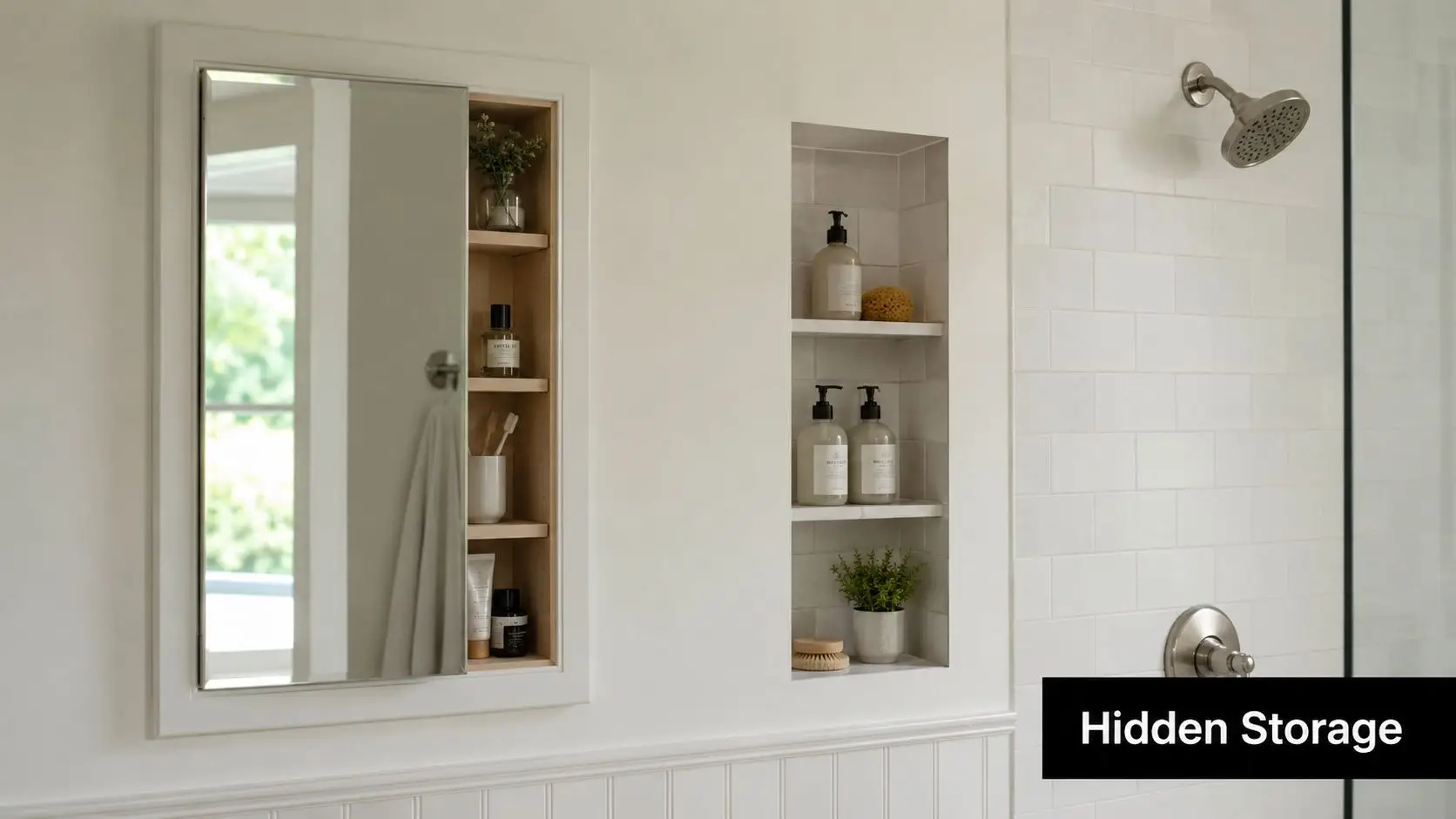
Storage Mirrored shaving cabinets, niches, drawer vanities, custom touches
Use case Main bathrooms, family bathrooms, and higher-quality ensuites

This bracket is often the best balance between cost and long-term value. It gives enough room to fix underlying issues properly and improve the way the room works day to day, without pushing into fully custom construction.

High-end and designer bathroom renovation

High-end bathroom renovations generally start from A$35,000 and can climb well beyond that once custom work, premium materials, or major layout changes are involved.

At this level, the room is usually being rebuilt around a specific brief. That might mean full-height feature tiling, custom joinery, recessed storage, frameless glass, underfloor heating, feature lighting, or a more complex shower area. On site, those details add labour hours, coordination, and tighter tolerances. A minimalist bathroom often costs more to build than it looks.

Clean finishes rely on precise set-out.

In older Victorian homes, high-end projects also tend to expose more hidden work. Floors may need levelling. Walls may need straightening. Existing framing may need adjustment before tiles, cabinetry, or glazing can be installed properly. If the home is in Highett or surrounding Bayside suburbs, that is not unusual. It needs to be allowed for early, especially if you want the final result to look sharp and hold up over time.

A registered builder matters more in this bracket because the margin for error is smaller. The more custom the bathroom, the more important it is to price selections accurately, confirm lead times before work starts, and make sure the room is being rebuilt to suit Victorian requirements rather than a generic online budget.

What Really Drives Your Renovation Cost

The visible bathroom is only the top layer. The true cost to renovate a bathroom sits underneath. Once demolition begins, the room becomes a coordination problem involving multiple trades in a very tight space.

Open wall showing interior plumbing, electrical wiring, and wooden studs during a home bathroom renovation project.

Australian cost guidance notes that bathroom renovation cost is driven more by trade density and plumbing complexity than by visible finishes, because demolition, waterproofing, plumbing, electrical, tiling, and fittings all need to come together in one compact area. It also notes that full renovations commonly move into the mid-five-figure band when layout changes or premium fixtures are involved, as outlined in this bathroom renovation cost breakdown for Australian renovators.

Labour is the centre of the budget

People often assume expensive tiles create expensive bathrooms. Sometimes they do, but labour usually decides the outcome.

A bathroom can have modest finishes and still cost more than expected because the work is dense. Trades don't get much room to move. Everything has to be sequenced correctly. The room must be stripped, prepared, waterproofed, set out accurately, tiled properly, and fitted off without shortcuts.

That's why “small bathroom” doesn't automatically mean “cheap bathroom”.

Layout changes trigger the biggest jumps

Keeping the existing footprint is usually the easiest way to control cost. Once you move the shower, vanity, toilet, or waste points, you increase the amount of trade work before the room even starts looking better.

The biggest cost triggers usually include:

  • Plumbing relocation because new pipe runs, drainage adjustments, and set-out changes add labour quickly
  • Electrical reworking when lighting, exhausts, power points, or heated features move
  • Shower reconfiguration because waterproofing details and falls become more complex
  • Custom joinery and glazing where tighter tolerances leave less room for error

Modern bathrooms can be more complex than they look

Many homeowners want modern bathrooms with floating vanities, frameless showers, recessed niches, strip lighting, and minimalist fixtures. Those features can look simple. Building them properly isn't always simple.

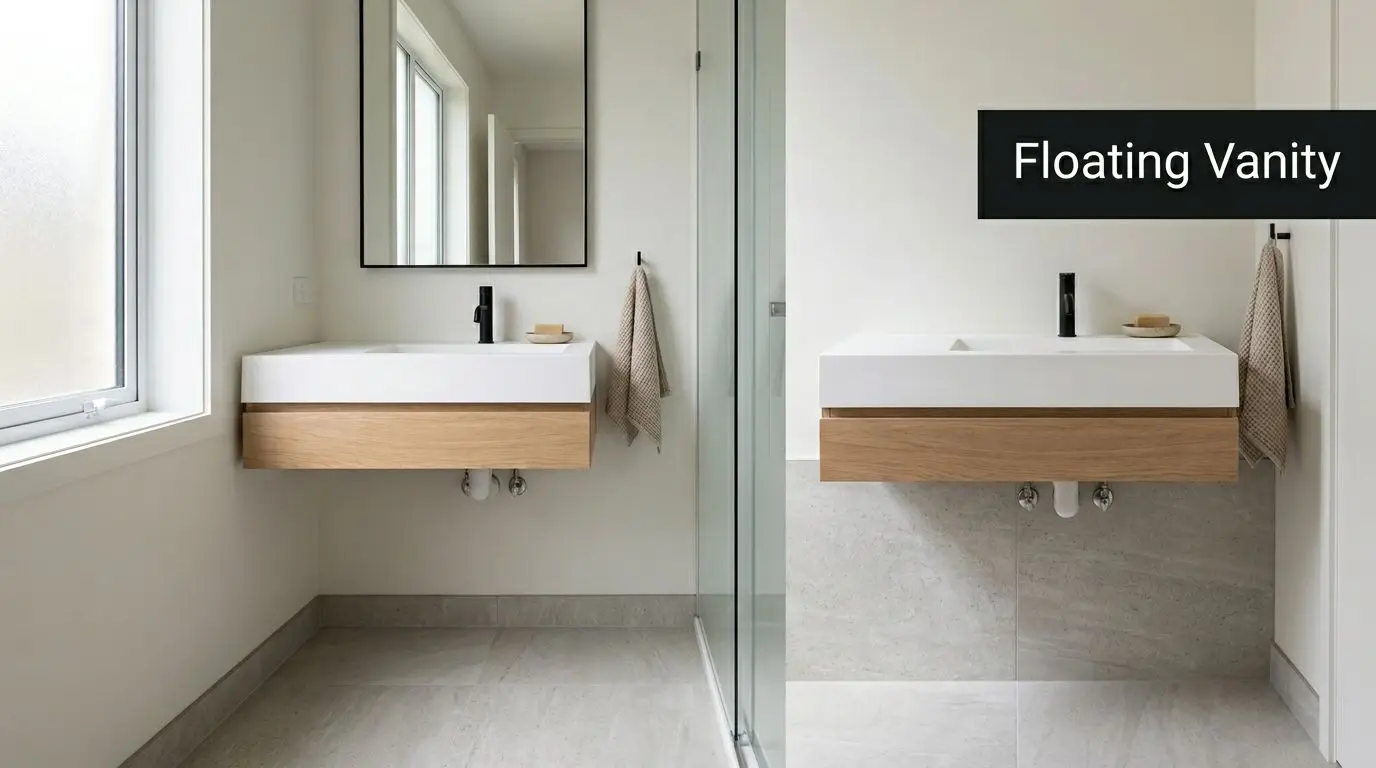
A floating vanity may need stronger wall preparation. A wall niche needs precise waterproofing and set-out. Linear drainage or cleaner floor lines can demand more planning during the rough-in stage. Minimal design often asks the trades to do more, not less.

If a bathroom looks calm and effortless when it's finished, someone had to solve a lot of detail behind the walls first.

The hidden layer most people miss

The first quote often reflects known work. The problem work usually appears after demolition.

Common hidden issues in older Victorian bathrooms include:

Hidden issue Why it matters
Previous water ingress Substrates and framing may need repair before new finishes go in
Outdated plumbing details Existing services may not suit the new set-out
Drainage problems Falls and waste positioning may need correction
Older construction methods The room may need more preparation than expected

This is why two bathrooms that look similar in photos can be priced very differently in real life.

Sample Budgets for Highett Homes

The easiest way to understand bathroom costs is to look at realistic project types, not abstract averages. In Highett, three jobs come up repeatedly. A compact ensuite refresh, a practical family bathroom overhaul, and a full designer bathroom rebuild.

Smaller rooms deserve special attention because homeowners often expect them to be dramatically cheaper. That doesn't always happen. Guidance on compact bathrooms notes that while they can be cheaper per square metre, ensuites and powder rooms still carry concentrated labour and service costs, so savings aren't linear with size, as discussed in small bathroom remodel cost guidance.

The compact ensuite refresh

This is the job where the existing layout is workable, but the room feels old and cramped. The owner wants a cleaner shower, updated vanity, fresher tiles, and a better mirror and light setup. The smartest version of this job keeps plumbing positions close to where they already are.

For many homeowners exploring small bathroom remodel cost guidance, this is the point worth understanding. A compact ensuite can still take serious labour because waterproofing, plumbing, tiling, and fit-off don't shrink in proportion to floor area.

Cost Item Basic Ensuite Refresh
Demolition and strip-out Included within overall build scope
Plumbing and electrical works Moderate, if layout is retained
Waterproofing and tiling Essential core cost
Fixtures and fittings Standard to mid-range selections
Vanity and storage Off-the-shelf or lightly customised
Typical project total A$18,000

That total sits near the top end of a basic renovation because ensuites can be deceptively labour-heavy.

The functional family bathroom overhaul

This is common in older Highett homes where the bathroom still works, but not well. The storage is poor. The shower is awkward. The room needs to handle busy mornings, family use, and easier cleaning.
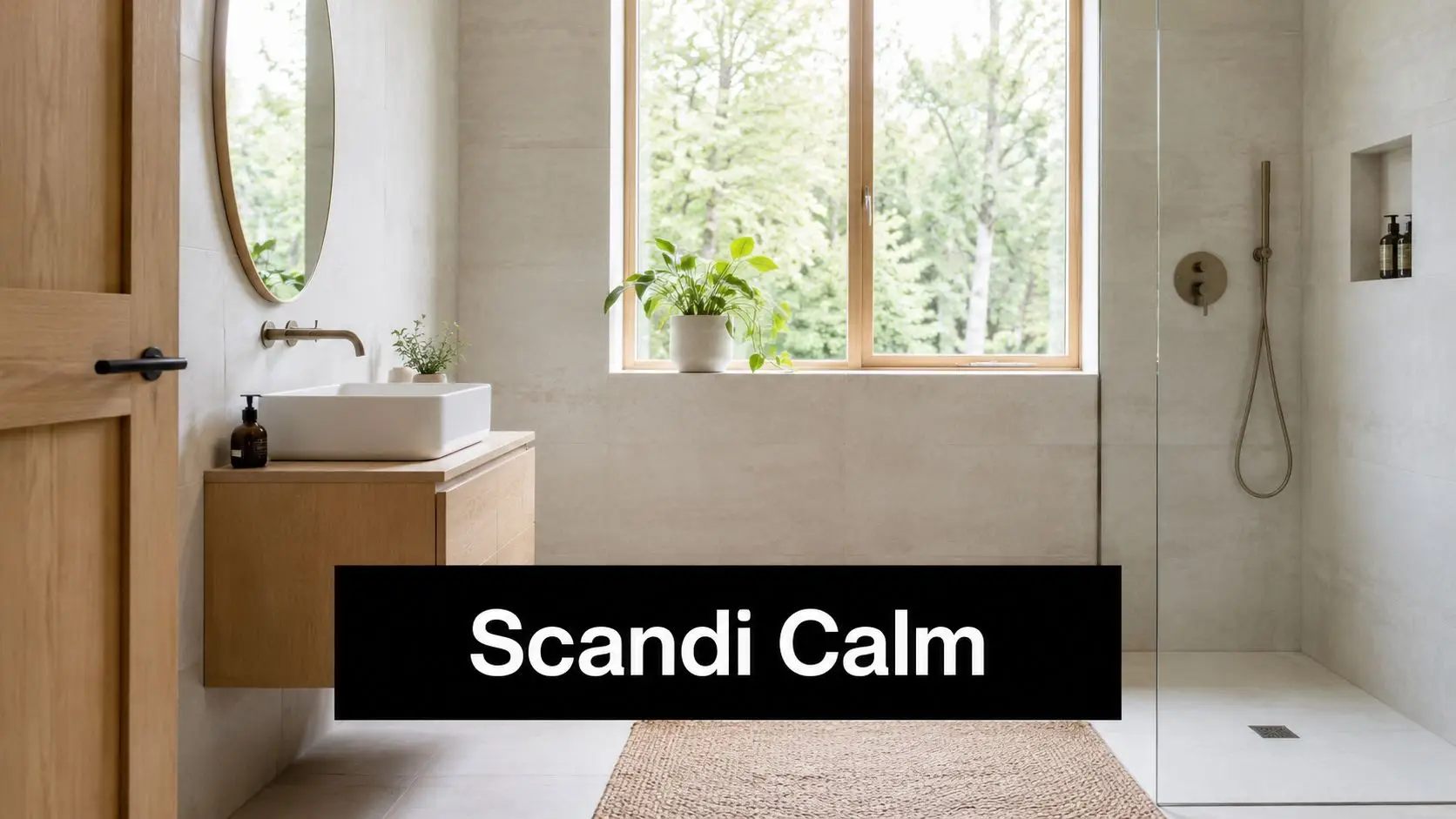
The mid-range family bathroom is usually where the best balance sits. The owner might improve the shower size, add a niche, choose stronger cabinetry, and update the lighting plan. The finishes feel current, but the brief stays practical.

Cost Item Mid-Range Family Bathroom
Demolition and preparation Full strip-out and rebuild setup
Plumbing adjustments Some changes, not a full re-route
Electrical and lighting Updated layout and improved usability
Waterproofing and tiling Full room waterproofing and new tile installation
Fixtures and screens Better-grade selections
Vanity and joinery Improved storage and family-friendly design
Typical project total A$30,000

This type of budget usually buys a bathroom that feels properly rebuilt, not just redecorated.

The ultimate designer bathroom

At this point, homeowners stop asking what they can replace and start asking what they can create. The brief often includes custom joinery, premium finishes, feature tiling, frameless glass, and a layout shaped around comfort rather than the original room constraints.
Designer bathrooms also tend to involve more exacting construction. Alignment matters more. Visual clutter is reduced, so any installation flaw is easier to see. The end result can be exceptional, but it needs a disciplined build process.

Cost Item High-End Designer Bathroom
Full demolition and remedial preparation Extensive
Plumbing and layout changes Significant
Electrical, lighting, and feature details Advanced
Waterproofing and substrate preparation Detailed and non-negotiable
Premium fixtures and fittings Higher-spec selections
Custom vanity and joinery Bespoke
Glazing and finishing details Premium finish standard
Typical project total A$50,000+

Sample bathroom renovation cost breakdown

Cost Item Basic Ensuite Refresh (A$18,000) Mid-Range Family Bathroom (A$30,000) High-End Designer Bathroom (A$50,000+)
Demolition and preparation Lower Moderate Higher
Plumbing and electrical Moderate Moderate to higher Higher
Waterproofing and tiling Core cost Core cost Major cost
Fixtures and fittings Standard Upgraded Premium
Joinery and storage Basic Better storage Custom
Finishing detail Simple Refined High-detail

These aren't fixed formulas. They're decision tools. If you know which story sounds most like your home, you're much closer to an honest budget.

Budgeting and Planning Your Project Timeline

The biggest budgeting mistake isn't choosing the wrong tapware. It's treating the quote as if nothing unexpected will happen once the room is opened up.

In Victorian homes, hidden issues matter. General cost guides often skip over this, yet guidance on bathroom remodel surprises notes that water damage, drainage problems, and pipe fixes can add meaningful cost once demolition reveals them. That's why a contingency matters for older properties, as explained in guidance on hidden bathroom remodel costs and contingency planning.

A person reviewing bathroom renovation plans and a digital budget sheet on a tablet with a calculator.

Budget for the known work and the likely surprises

A sound renovation budget has two parts. The planned spend, and the reserve for issues you can't confirm until the old bathroom is gone.

That reserve becomes important when you uncover:

  • Water damage behind shower walls or around the base of the room
  • Drainage corrections needed for proper falls or waste placement
  • Previous poor workmanship that has to be undone before new finishes go in
  • Compliance-related upgrades needed to complete the rebuild properly

If your home is older, assuming a smooth run is optimistic. A more realistic approach is to expect that some hidden work may appear and build your finances around that possibility.

Leave room in the budget for what the existing bathroom has been hiding from you.

Understand the renovation sequence

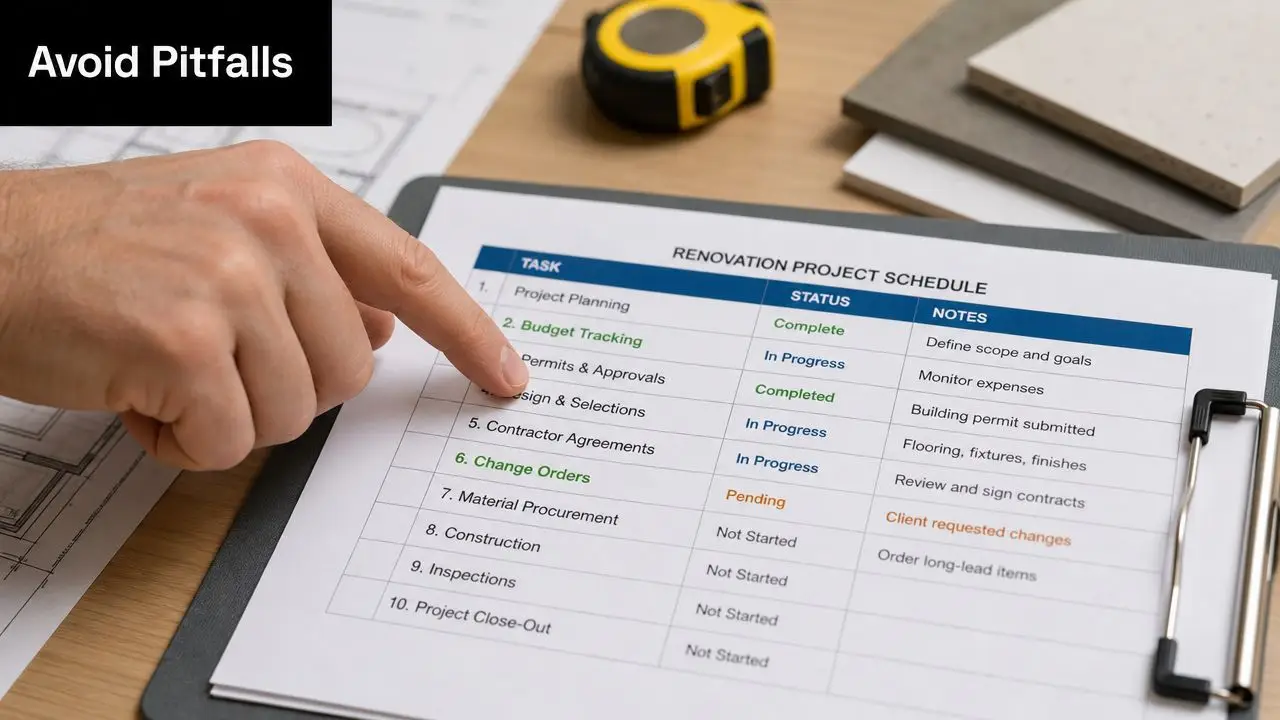
Homeowners usually feel less stressed when they understand the build order. Bathroom renovations don't move in a straight decorative line. They move in technical stages.

A standard sequence often looks like this:

  1. Design and selections so fixtures, tiles, and layout are resolved before site work begins
  2. Demolition to remove the old bathroom and expose the condition of the room
  3. Rough-in works for plumbing and electrical adjustments
  4. Preparation and waterproofing because the room has to be built on a sound, compliant base
  5. Tiling and surface installation once waterproofing is complete
  6. Fit-off and finishing including fixtures, screens, mirrors, and final details

If you want a broader sense of scheduling, this guide on how long a bathroom remodel should take is a useful starting point.

Planning decisions that save money

Good planning doesn't always make a bathroom cheap. It does stop avoidable spending.

The choices that usually help most are:

Planning choice Budget effect
Keep the layout workable Reduces plumbing and electrical variation
Finalise selections early Lowers the risk of delays and change costs
Choose practical finishes Helps balance style with long-term maintenance
Allow for contingency Prevents panic decisions mid-project

A bathroom remodel runs better when the owner knows where they'll spend, where they'll hold back, and what they'll do if hidden work appears.

Finding the Right Builder and Asking Key Questions

The builder you choose affects more than workmanship. They affect compliance, communication, sequencing, and how variations are handled when the project becomes more complex than expected.

For substantial bathroom renovations, especially when structural work or major coordination is involved, many homeowners feel safer working with a registered builder unlimited because the project is being managed under a clearer professional framework. It's not just about who can swing a hammer. It's about who can take responsibility for the whole job.

A cheaper quote can look attractive at the start. It becomes expensive if details are vague, waterproofing documentation is missing, or the scope hasn't accounted for likely site conditions.

Questions worth asking before you sign anything

Ask direct questions and expect direct answers.

  • Registration and insurance
    Ask whether the builder is properly registered for the work and what insurance cover is in place.

  • Who manages the trades
    Find out who coordinates plumbing, electrical, waterproofing, tiling, and finishing on site.

  • Waterproofing process
    Ask how waterproofing is handled, documented, and certified.

  • Variations
    Get clear on how changes are priced and approved if hidden issues appear after demolition.

  • Inclusions and exclusions
    Make sure the quote spells out exactly what's included, and equally, what isn't.

What a solid quote should tell you

A professional bathroom quote should show scope, not just a lump sum. You want enough detail to understand how the room is being built and where your money is going.

Good signs include:

  • Clear allowances or fixed inclusions for fixtures and finishes
  • Defined scope of demolition and rebuild work
  • A process for dealing with unforeseen site conditions
  • A realistic timeline and payment structure

For a more detailed explanation of why this matters, read why using a registered builder matters for your bathroom renovation.

The right builder doesn't just quote the pretty part of the bathroom. They account for the work that makes the room safe, durable, and compliant.

How to Get an Accurate Quote from SitePro Bathrooms

An accurate bathroom quote starts before pricing. It starts with clarity.

That means understanding how you use the room, what layout changes you're considering, what finish level you want, and whether the home itself is likely to need extra remedial work. If those points aren't defined early, the quote can only ever be a rough guess dressed up as certainty.

What helps produce a better quote

The strongest quoting process usually includes a site visit, measured planning, selection guidance, and enough design detail to stop assumptions from creeping in. That's especially important when you're comparing basic bathroom renovations with more customised modern bathrooms or fully resolved designer bathrooms.

A well-run process generally works like this:

  • Initial consultation to understand the space, budget range, and priorities
  • Design development so layout decisions are made before site work starts
  • 3D visual planning to test new bathroom ideas before committing to construction
  • Detailed fixed-price quoting so the scope is clearer and price movement is reduced

Construction costs have remained under pressure in recent years, with ABS-linked commentary noting significant price growth in building materials and services through the early 2020s. In practical terms, that makes a detailed fixed-price quote more valuable because it gives renovators stronger protection against price volatility during the project, as noted in this overview of construction-related pricing pressure and why fixed quotes matter.

Why detail protects your budget

The more detailed the quote, the less room there is for confusion later. Homeowners usually benefit when the builder has already resolved selections, layout intent, and scope boundaries before work starts.

That's where SitePro Bathrooms adds value. As a Highett-based renovation specialist, the team handles consultation, 3D design, construction, and finishing as one coordinated process. For homeowners trying to pin down the actual cost to renovate a bathroom, that matters because the quote isn't being built on vague assumptions. It's being built around your room, your priorities, and the actual work required.

If you're planning a bathroom renovation in Highett or elsewhere in Victoria, the best next step is simple. Arrange a consultation, discuss your layout and finish goals, and get a quote detailed enough to show what's included, what could affect cost, and how the project will run from demolition to handover.


If you want a bathroom quote that reflects real site conditions, practical design choices, and the standard of finish you're aiming for, contact SitePro Bathrooms to start the process.