
• siteprobathrooms

Installing Large Format Porcelain Tiles

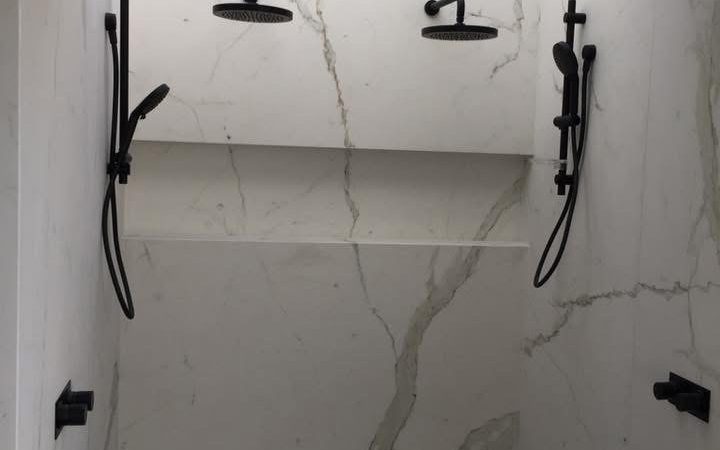
Large Format Porcelain Feature Panel Installation

Large format porcelain tiles are redefining modern interiors — creating seamless, high-end feature walls that deliver both luxury and long-term durability.

From bathroom statement walls to full-height living space panels, these oversized tiles offer a refined architectural finish that traditional tiling simply cannot achieve.

Professional installation is essential to ensure structural integrity, perfect alignment, and a flawless final result.


Expert Installation You Can Trust

With over 24 years of industry experience, Melbourne Tiling Services P/L are recognised as leading installers of large format porcelain panels.

Their specialist approach ensures:

  • Precision substrate preparation
  • Full adhesive coverage for maximum bond strength
  • Seamless panel alignment
  • Mitred edge finishing
  • Structural durability

Visit Melbourne Tiling Services to learn more about their professional installation solutions.


Why Choose Large Format Porcelain Panels?

Large format tiles (1200mm and above) are ideal for feature applications thanks to:

  • Minimal grout lines for a seamless look
  • Natural stone and concrete finishes
  • Moisture and stain resistance
  • Low-maintenance surfaces
  • Long-term durability

They transform walls into design centrepieces while maintaining practicality.


Where Feature Panels Work Best

Large format porcelain tiles are perfect for:

  • Bathroom feature walls
  • Walk-in showers
  • Kitchen splashbacks
  • Fireplace surrounds
  • Living room statement walls
  • Commercial reception areas

These installations enhance both visual impact and property value.


Precision Preparation Matters

Unlike standard tiles, large panels require perfectly level and stable surfaces.

Professional installation includes:

  • Wall levelling and preparation
  • Surface priming
  • Structural assessment
  • Advanced bonding techniques

This ensures longevity and prevents cracking or movement over time.


Advanced Installation Techniques

Installing large format porcelain tiles involves specialised methods, including:

  • Dual adhesive application (substrate & tile)
  • Mechanical levelling systems
  • Pattern and vein alignment
  • Precision cutting and mitred joins

These techniques ensure a seamless, slab-like finish.


Seamless Luxury. Built to Last.

When installed by experienced professionals, large-format porcelain feature panels create a sophisticated finish that combines design excellence with structural reliability.

With decades of expertise, Melbourne Tiling Services continues to set the benchmark for high-end porcelain panel installation across residential and commercial projects.


Upgrade Your Space Today

If you’re planning a renovation or new build, large format porcelain panels offer the perfect balance of style and performance.

Contact Melbourne Tiling Services P/L to bring your feature wall vision to life with precision installation and industry-leading craftsmanship.

  • siteprobathrooms

Safety First: Best Practices for Ensuring Worker Safety on Construction Sites

Safety on construction sites is not just a legal requirement — it is a critical responsibility that protects workers, reduces project risks, and ensures smooth project delivery. With multiple trades operating simultaneously, heavy machinery in use, and constantly changing environments, construction sites present a wide range of hazards that must be actively managed.

Implementing proven safety practices helps minimise incidents, improve productivity, and create a culture of accountability across every project.


Why Construction Site Safety Matters

A strong safety framework delivers more than compliance. It:

  • Protects workers from injury or fatality
  • Reduces project delays and downtime
  • Minimises legal and financial risks
  • Improves team morale and productivity
  • Enhances company reputation

Safe sites are efficient sites — and well-managed safety systems directly contribute to successful project outcomes.


Conduct Regular Risk Assessments

Identifying hazards before work begins is the foundation of construction safety.

Key steps include:

  • Evaluating site conditions and access points
  • Identifying high-risk activities (working at heights, electrical, excavation)
  • Assessing equipment and material handling risks
  • Implementing control measures before work starts

Risk assessments should be ongoing, especially as site conditions change throughout the project lifecycle.


Provide Proper Training and Inductions

Every worker on-site must be properly trained and informed.

This includes:

  • Site-specific inductions
  • Safe Work Method Statements (SWMS)
  • Equipment operation training
  • Emergency procedures

Workers who understand risks and procedures are far less likely to be involved in incidents.


Use Appropriate Personal Protective Equipment (PPE)

Personal Protective Equipment is essential for reducing exposure to hazards.

Common PPE includes:

  • Hard hats
  • High-visibility clothing
  • Safety boots
  • Gloves
  • Eye and hearing protection

PPE must be properly fitted, maintained, and consistently used across all site activities.


Maintain Clear Communication

Effective communication prevents confusion and accidents.

Best practices include:

  • Daily pre-start meetings (toolbox talks)
  • Clear signage and hazard warnings
  • Defined site access and exclusion zones
  • Coordination between trades

Strong communication ensures everyone understands their role and the risks around them.


Ensure Safe Use of Equipment and Machinery

Construction sites rely heavily on machinery, making proper operation critical.

Safety measures include:

  • Regular equipment inspections
  • Licensed operators only
  • Following manufacturer guidelines
  • Keeping plant and pedestrian areas separated

Faulty or misused equipment is one of the leading causes of site accidents.


Implement Fall Protection Systems

Working at heights remains one of the highest-risk activities in construction.

Control measures include:

  • Guardrails and edge protection
  • Scaffolding compliant with standards
  • Harness systems where required
  • Safe ladder use

Preventing falls should always be a top priority on any site.


Keep the Site Clean and Organised

Good housekeeping is a simple yet powerful safety practice.

Maintain:

  • Clear walkways
  • Proper material storage
  • Immediate waste removal
  • Spill management

A tidy site reduces trip hazards and improves overall efficiency.


Monitor and Enforce Safety Compliance

Safety procedures are only effective if consistently followed.

Site supervisors should:

  • Conduct regular inspections
  • Enforce safety rules
  • Address unsafe behaviour immediately
  • Encourage reporting of hazards

Creating a culture where safety is taken seriously at all levels is key.


Emergency Preparedness

Every construction site must be ready to respond to emergencies.

This includes:

  • First aid kits and trained personnel
  • Fire extinguishers and evacuation plans
  • Clear emergency contact procedures
  • Incident reporting systems

Preparation can significantly reduce the impact of unexpected events.


Building a Safety-First Culture

Beyond rules and procedures, the most successful construction sites promote a safety-first mindset.

This means:

  • Leadership prioritising safety over speed
  • Workers feeling confident to speak up
  • Continuous improvement of safety systems
  • Learning from past incidents

When safety becomes part of the culture, it leads to better outcomes for everyone involved.


Conclusion

Ensuring worker safety on construction sites requires a proactive, structured approach that combines planning, training, communication, and accountability.

By implementing best practices and maintaining high safety standards, construction professionals can protect their workforce, reduce risks, and deliver projects efficiently and responsibly.

A safe site is not just a compliant site — it is a productive and successful one.