Modern Bathroom Renovations: 2026 Highett Design Guide
If you're in Highett staring at a bathroom with tired tiles, poor storage, fogged mirrors, and a shower that never quite feels right, you're in the same position as many Victorian homeowners. The room still works, technically. But it doesn't work well. It's slow in the morning, awkward at night, and every dated finish makes the whole space feel older than the rest of the house.
That's usually when modern bathroom renovations move from “nice idea” to practical priority. You want a room that's easier to clean, better organised, properly ventilated, and built for the way your household lives. You also want something that won't feel dated again in a few years.
In Highett and the surrounding bayside suburbs, that decision often comes with extra layers. Older homes can hide plumbing limitations, uneven walls, and layouts that were never designed for contemporary fixtures. Even newer homes can suffer from poor waterproofing, weak ventilation, and builder-grade finishes that haven't aged well. Good planning matters because bathroom renovations aren't just about selecting attractive tapware and tiles. They involve structure, drainage, compliance, and trade coordination.
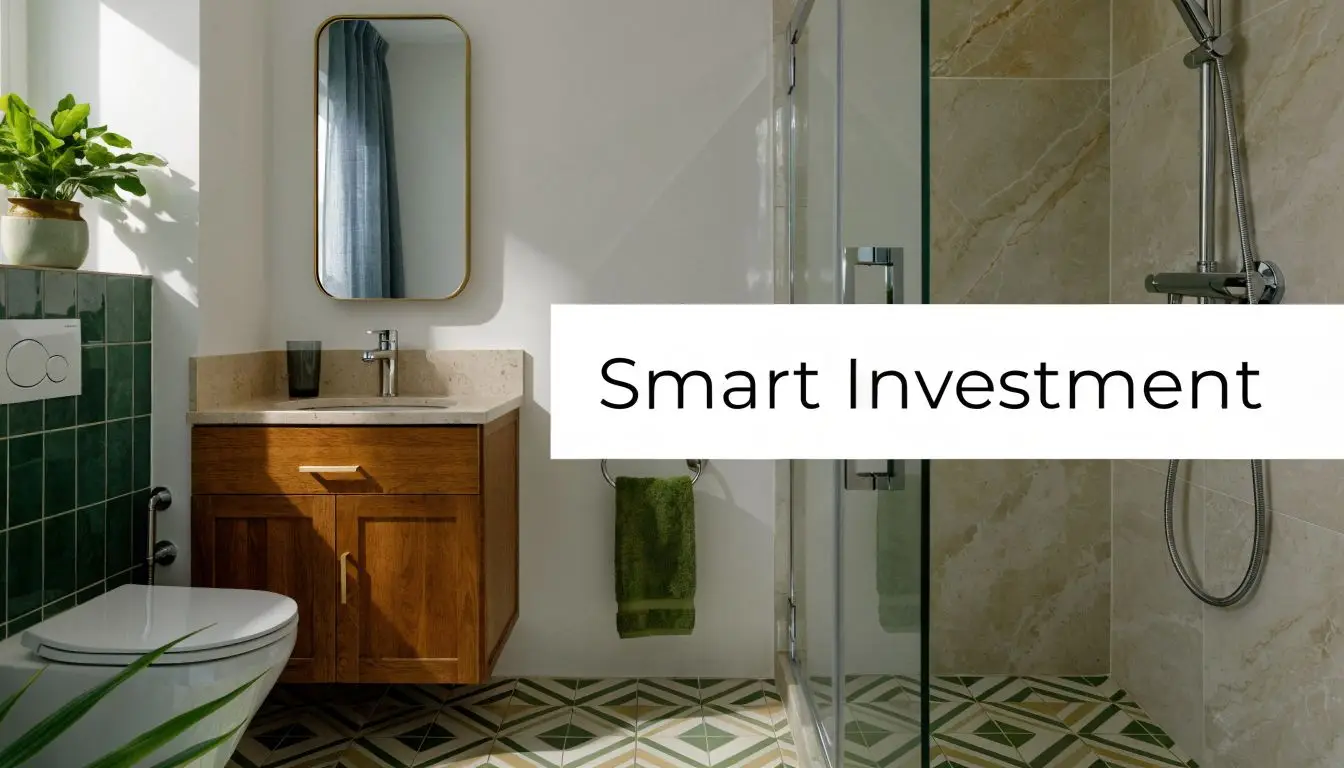
There's also a strong financial case for doing the job properly. The global bathroom remodeling market reached USD 412.80 billion in 2025 and is projected to reach USD 428.07 billion in 2026, with the residential segment making up about 85.8% of the market, which shows how firmly bathrooms now sit in the category of core home investment rather than optional luxury, according to Future Market Insights' bathroom remodeling market outlook.
Your Journey to a Modern Bathroom Starts Here
A first bathroom project usually starts with mixed signals. You've saved inspiration photos. You know you want cleaner lines, better lighting, and more storage. At the same time, you're wondering what you're permitted to change, what the job is likely to cost, and how to avoid spending heavily on a room that looks good online but performs poorly in real life.
That uncertainty is normal. A modern bathroom should feel simple when finished, but it takes careful decisions to get there. The layout has to suit the room. The materials have to handle moisture. The plumbing has to support the fixtures you choose. The workmanship has to hold up after years of steam, water, and daily use.
For most Highett homeowners, the smartest starting point is to narrow the project into three practical questions:
What isn't working now
Is the issue storage, shower size, lighting, cleaning effort, poor ventilation, or a combination of all of them?What level of change do you want
Some projects keep the existing footprint and upgrade finishes. Others move walls, rotate the vanity, or replace a bath with a walk-in shower.What can't be compromised
This usually includes waterproofing, drainage falls, ventilation, compliant electrical work, and using the right trades.
Practical rule: If a renovation decision improves the look but weakens drainage, access, cleaning, or compliance, it's the wrong decision.
Modern bathrooms work best when the design follows the room's daily demands. A family bathroom needs different priorities from an ensuite. An investment property needs different selections from a forever home. A compact older bathroom in Highett often benefits more from smarter layout planning than from expensive finishes alone.
The strongest results come from balancing new bathroom ideas with buildability. That's what turns inspiration into a bathroom you'll still be happy with after the novelty wears off.
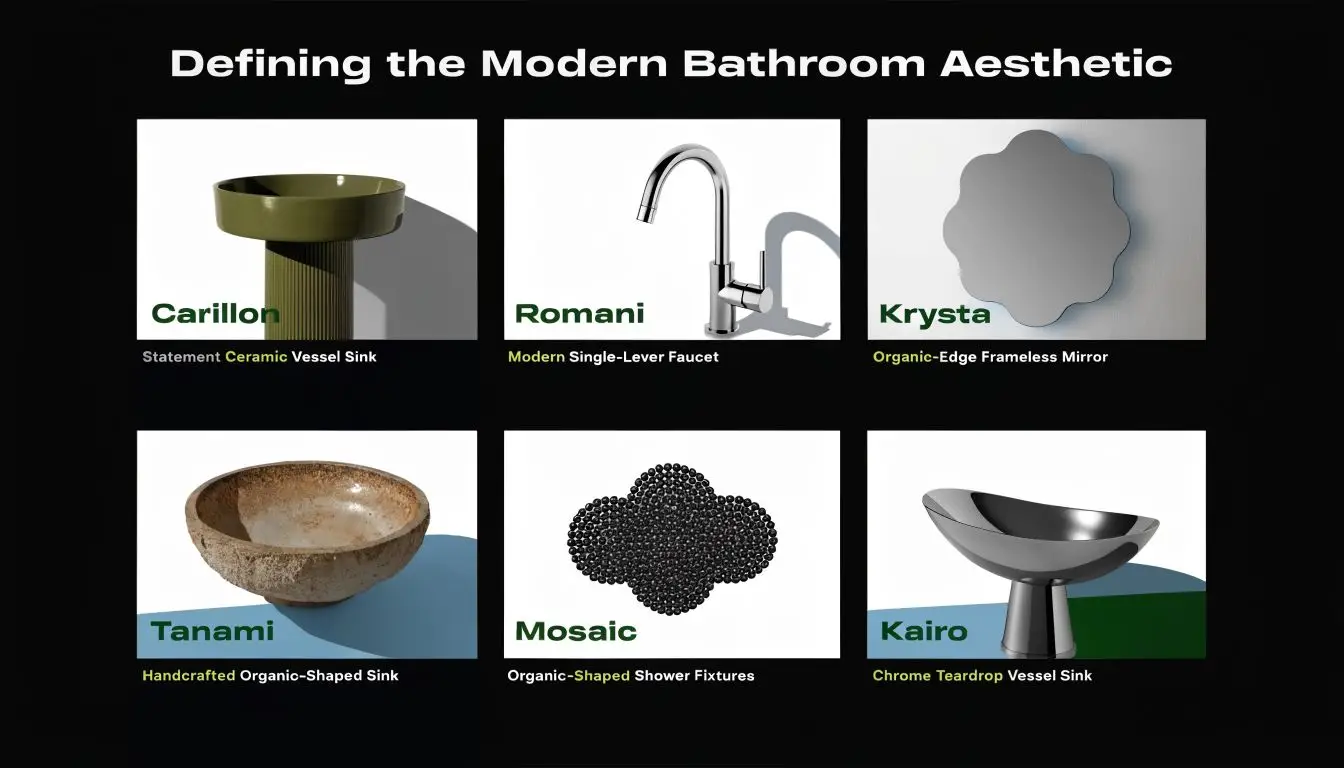
Defining the Modern Bathroom Aesthetic
Modern doesn't mean cold, empty, or overly glossy. In practice, the best modern bathroom renovations use restraint. Fewer visual interruptions, cleaner detailing, and materials that do their job without asking for constant attention. That's why many well-designed designer bathrooms feel calm rather than busy.
The look usually comes from a handful of consistent choices. Flat or lightly profiled cabinetry. Minimal grout lines. Frameless or low-visual-weight shower screens. Hardware in a single finish. Open wall space around mirrors and vanities. Good lighting that flatters the room instead of fighting it.
What modern design gets right
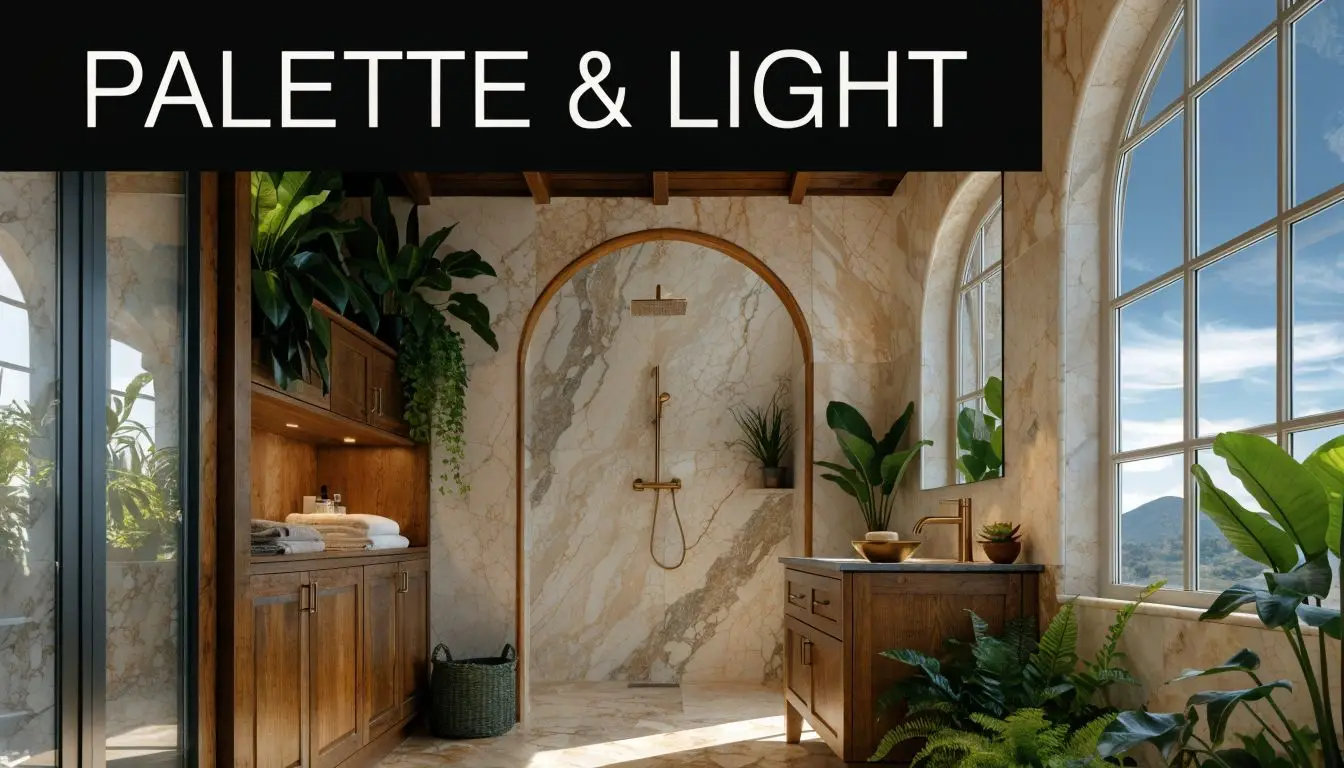
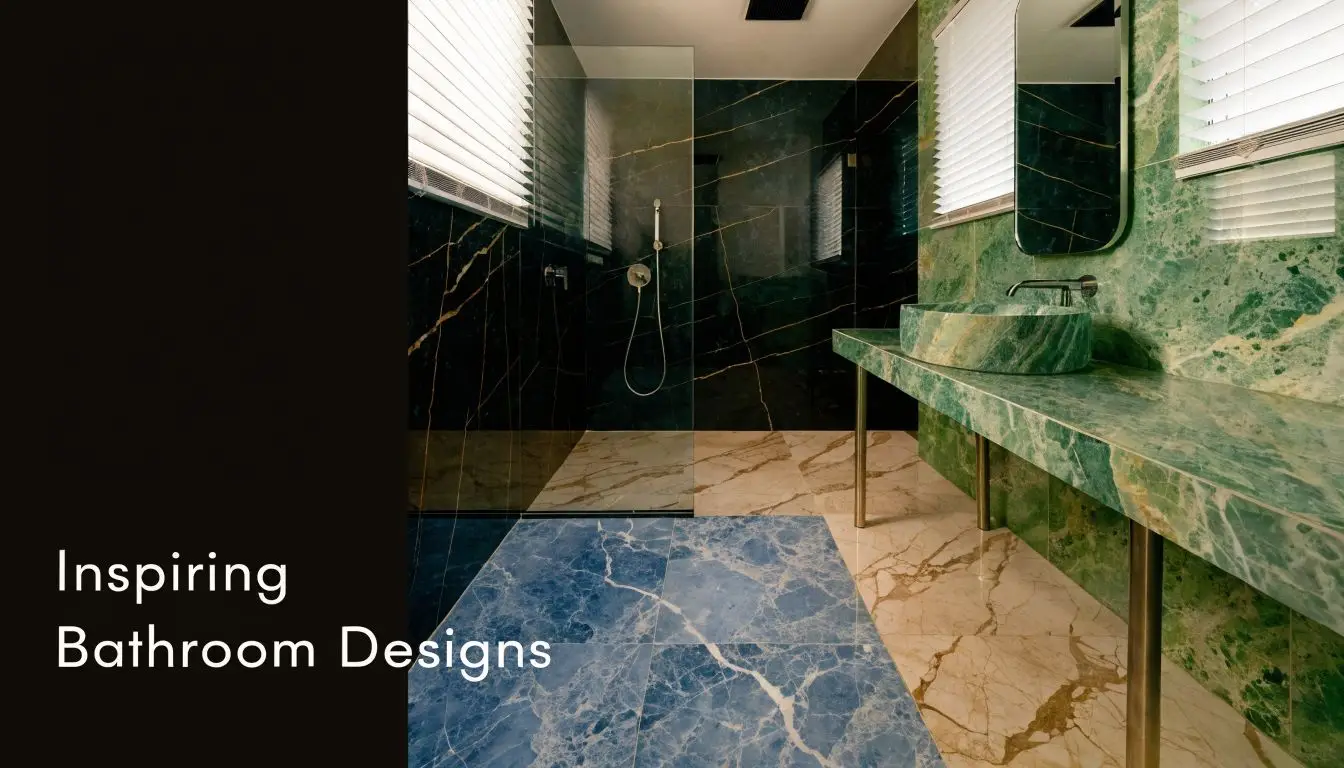
A well-composed modern bathroom usually relies on contrast in small doses rather than decoration in bulk. You might see warm timber against white porcelain, brushed metal against soft stone tones, or a floating vanity balanced by a full-height tiled wall. The room feels deliberate because every element has a reason to be there.
That matters in Highett homes, where bathrooms often aren't large. Cluttered detailing shrinks a room quickly. Clean lines and visual continuity make a compact space read larger and feel more organised.
These are the design moves that generally work:
- Large uninterrupted surfaces: They make walls and floors feel less chopped up.
- Natural texture: Timber tones, stone-look surfaces, and matte finishes stop the room from feeling clinical.
- Integrated storage: Recessed niches, mirrored cabinets, and vanity drawers reduce bench clutter.
- Simple fixture language: Rounded all over, or angular all over, usually looks better than mixing too many shapes.
The tile decision that changes the whole room
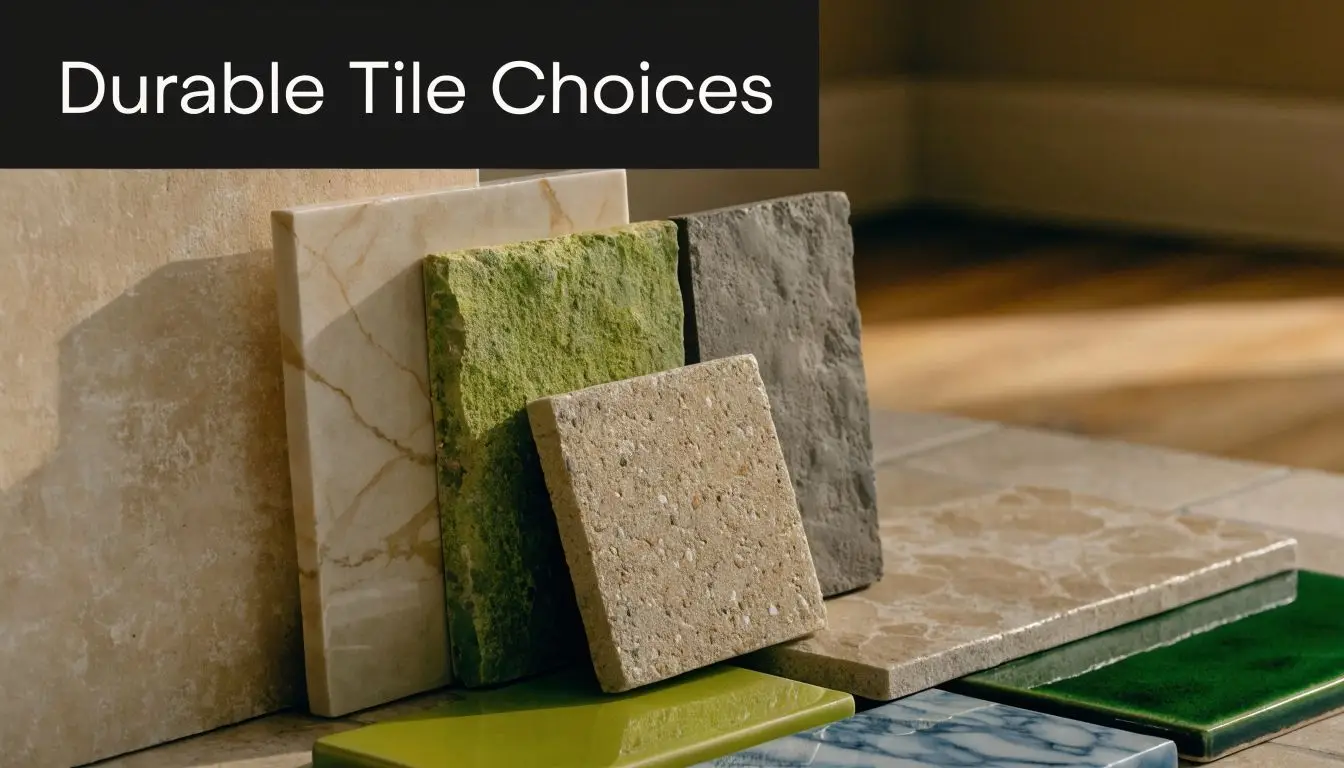
One of the clearest markers of modern bathrooms is the move toward large-format tiling. Modern bathroom renovations commonly use tiles from 24×24 inches to 48×96 inch porcelain slabs, and the reduced grout joints help create the expansive look people want while also lowering cleaning effort because grout is the most maintenance-demanding part of a tiled bathroom, as explained in this guide to modern bathroom design and tile scale.
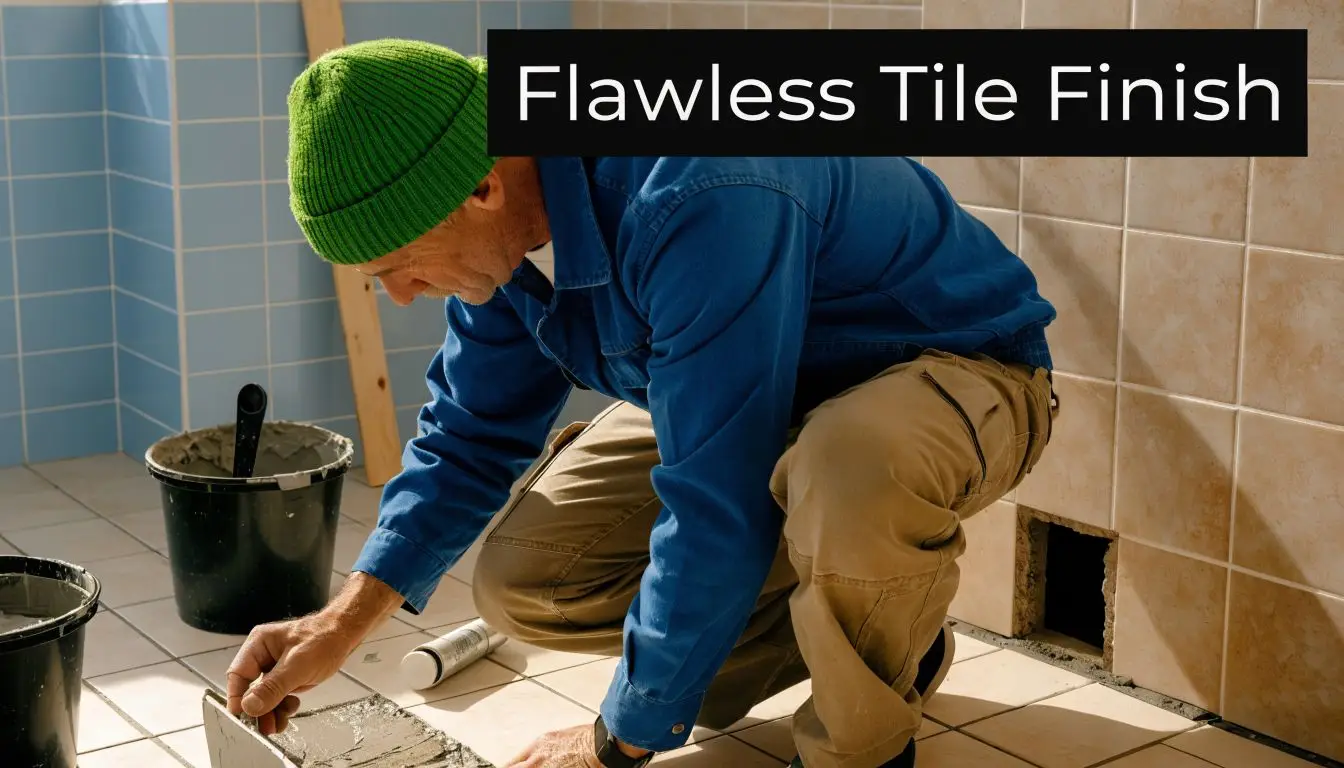
That design choice has a trade-off. Large-format tiles look refined, but they also expose installation errors. Lippage, poor set-out, misaligned cuts, and uneven joints are much easier to see when the room is otherwise minimal.
Fewer lines on the wall means every line has to be right.
There's another important distinction. Large-format tile may suit walls and some general floor areas, but shower floors are different. They need proper drainage control and slip resistance, which is why smaller mosaics are often the right technical answer even when the rest of the room uses larger pieces. In a modern bathroom, that contrast isn't a compromise. It's good design backed by function.
What usually dates a “modern” bathroom too quickly
Some bathrooms miss the mark because they chase trend over durability. Common problems include oversized statement basins that leave no bench space, awkwardly dark finishes that show every watermark, and decorative feature tiles that dominate a small room.
A modern bathroom should still be easy to live with on a rushed weekday. If the room looks sharp but gives you nowhere to put a toothbrush, towel, or cleaning product, the design hasn't been resolved.
Planning Your Renovation and Budgeting for Highett Homes
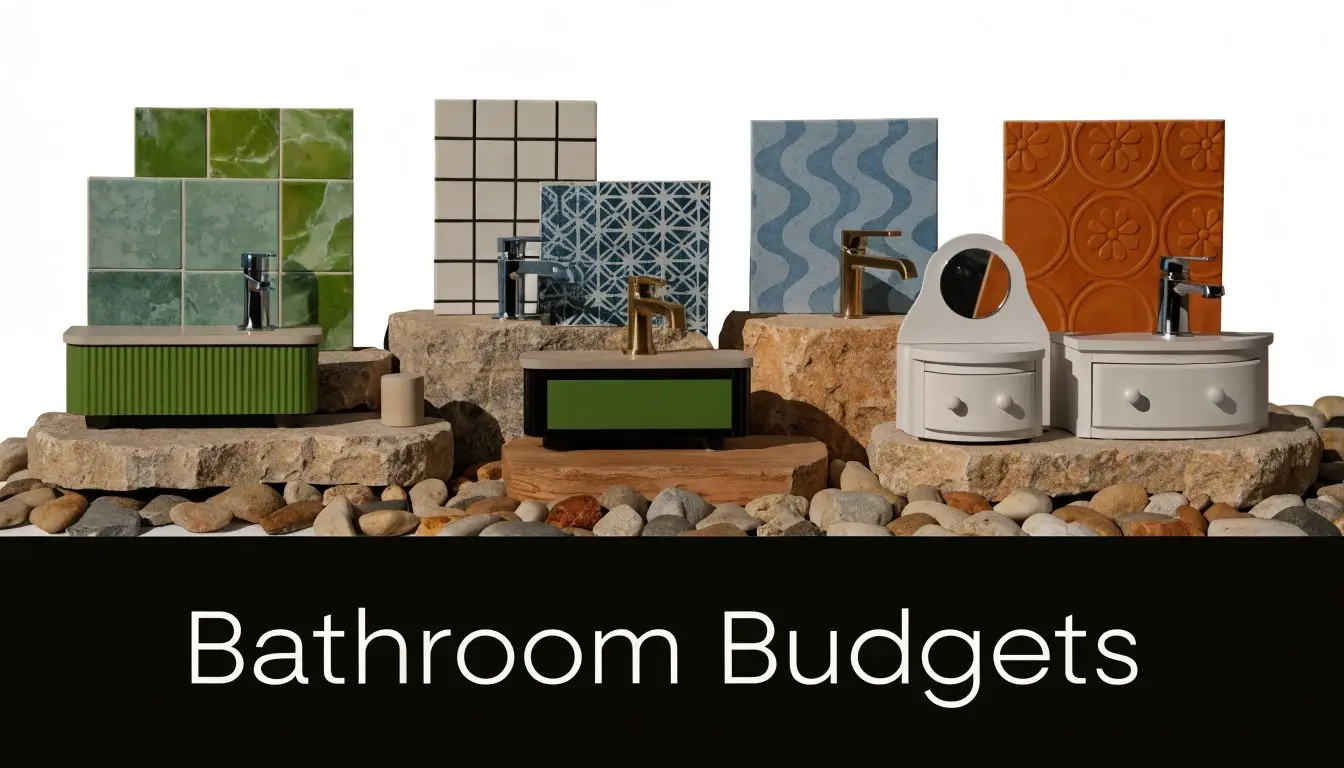
Budgeting gets easier once you stop thinking of a bathroom as one price and start seeing it as a set of moving parts. The final spend depends on layout changes, waterproofing requirements, fixture level, tile selection, custom joinery, and how much remedial work the room needs once demolition starts. Older Highett homes can surprise you here. Out-of-square walls, ageing pipework, and previous patch repairs often affect scope.
The first useful distinction is between a cosmetic update and a full renovation. If you keep the plumbing where it is, retain a workable layout, and focus on new finishes, the budget pressure usually stays lower. Once you move waste points, alter walls, enlarge showers, or replace everything down to the substrate, costs rise quickly.
Cost ranges homeowners can use for early planning
The table below gives practical planning ranges in AUD for Highett and broader Victorian projects. These are working estimates only, not fixed quotes. Site access, product selection, and hidden condition issues can change the figure materially.
| Renovation Type | Estimated Cost Range (AUD) |
|---|---|
| Cosmetic bathroom refresh | $12,000 to $18,000 |
| Standard full bathroom renovation | $18,000 to $30,000 |
| Mid-range modern bathroom renovation | $30,000 to $45,000 |
| Premium designer bathroom with layout changes | $45,000 to $70,000+ |
| Compact ensuite renovation | $16,000 to $28,000 |
| Accessible or future-proofed bathroom with specialist detailing | $30,000 to $55,000+ |
Those ranges are most useful when paired with a scope list. Instead of asking “What does a bathroom cost?”, ask what your budget needs to cover.
What pushes the price up
In local projects, these are the biggest budget drivers:
- Layout changes: Moving the shower, toilet, or vanity usually affects plumbing, floor waste positions, and wall repairs.
- Tile selection and coverage: Full-height tiling, large-format materials, and difficult set-outs take more labour and skill.
- Joinery level: Off-the-shelf vanities cost less than fully custom cabinetry built around an awkward room.
- Hidden repairs: Damaged sheeting, poor previous waterproofing, and structural rectification add cost without adding visible glamour.
- Fixture complexity: Wall-hung fittings, in-wall cisterns, recessed storage, and integrated lighting all increase labour coordination.
A bathroom renovation can still be financially sensible. A well-executed remodel delivers about 70 to 80% return on investment, and the median cost for primary bathroom renovations reached USD 13,500 in 2022, up 50% year over year, according to Market Research Future's bath remodeling market report. Those figures aren't a substitute for a project-specific estimate in Victoria, but they do reinforce a broader truth. Bathrooms are one of the rooms where careful spending can improve both daily use and resale appeal.
Budgeting without fooling yourself
A practical budget should separate what you want from what the room requires. Put your money into the hard-to-change items first: waterproofing, drainage, tiling quality, ventilation, and reliable fixtures. Decorative upgrades can sit after that.
Set your “must-have” list before you choose finishes. Otherwise the budget gets consumed by visible items and the hidden essentials get squeezed.
If you're planning your first project, allow enough flexibility to handle discoveries during demolition. Bathroom renovations almost always become harder and more expensive when owners commit every dollar to the pretty part of the room.
Selecting Materials and Fixtures for Durability and Style
A bathroom can look finished on handover day and still be a poor long-term fit. That usually comes down to selections. Materials need to survive moisture, cleaning products, temperature shifts, and daily wear. Stylish choices matter, but the better question is whether a finish still works after years of steam, splashes, and hard use.
The easiest way to choose well is to compare products by maintenance burden, repairability, and how forgiving they are in a wet area. Some finishes look sharp under showroom lighting and become irritating almost immediately in real homes.

Vanities, benchtops, and surface choices
For vanity cabinetry, laminate and polyurethane finishes are common because they're practical and easier to maintain than many raw or lightly sealed timber options. Timber can work beautifully, but it needs the right detailing and realistic expectations around movement and upkeep. In a family bathroom, consistency often beats novelty.
Benchtops should suit both water exposure and the visual tone of the room. Porcelain and engineered surfaces are popular because they can offer a crisp, modern look with relatively straightforward cleaning. Matte finishes tend to hide water spotting better than high gloss. That's a small detail, but it affects how the room feels on an ordinary Tuesday morning.
Tile choices need the same mindset. The wall tile that looks elegant in a sample board may not be the best choice if every splash mark shows up instantly. If you're weighing style against maintenance, start with how much effort you're willing to put in week after week.
For a more detailed look at tile decision-making, this guide on how to choose bathroom tiles is worth reading before you lock in finishes.
Fixtures should suit the plumbing, not just the mood board
Many initial projects struggle at this stage. Homeowners purchase advanced shower systems, touchless tapware, or a smart toilet because the product fits their design brief, then discover the existing plumbing doesn't support it properly.
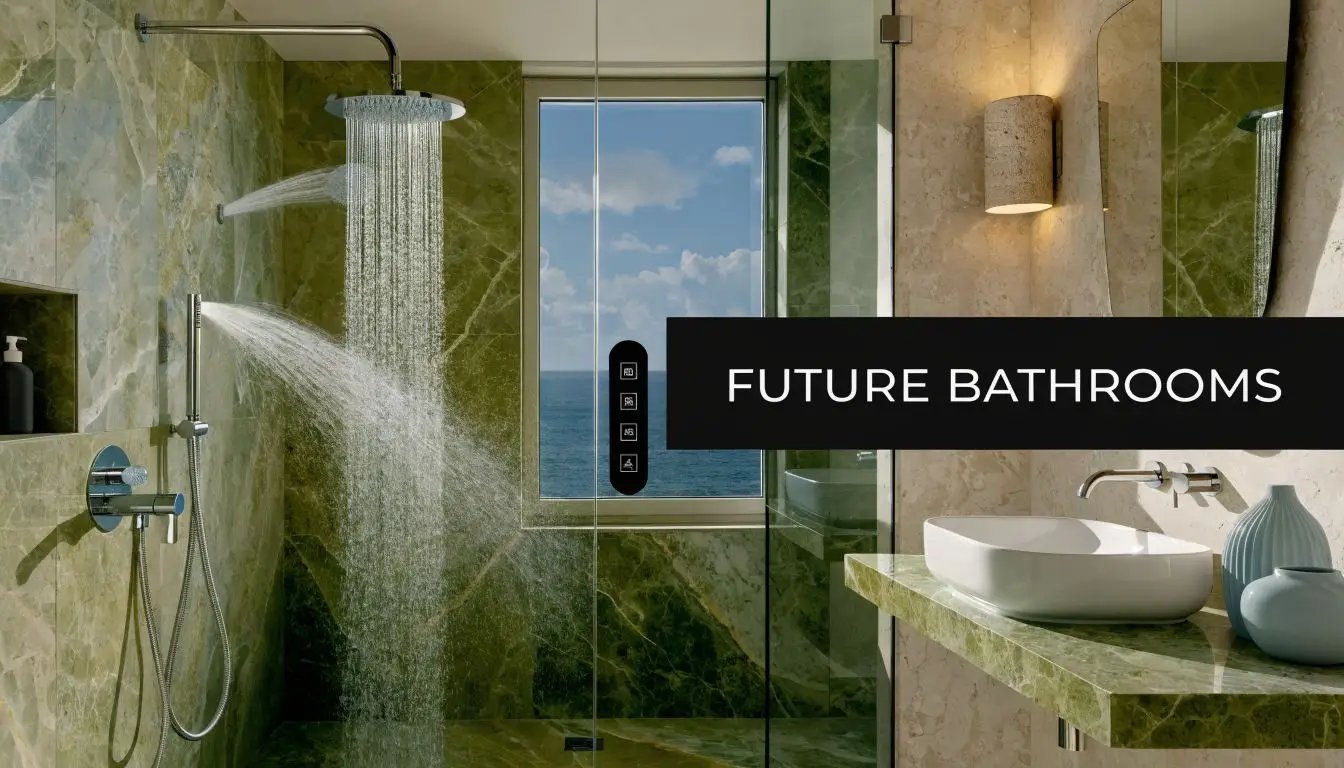
Before installing modern fixtures, especially smart toilets, touchless faucets, and advanced shower systems, an in-depth plumbing assessment is essential because existing water pressure and flow rates need to be verified for compatibility with those fixtures, as outlined in this bathroom remodel plumbing checklist.
That affects more than performance. It can change the entire project scope. If the plumbing supports your planned fixtures, great. If it doesn't, you may need different products, upgraded services, or layout changes. Better to know that early than after ordering expensive items.
Selections that usually age well
Some combinations remain durable and easy to live with:
- Wall-hung vanity with drawers: Easier floor cleaning and better storage access than deep cupboards.
- Porcelain wall and floor surfaces: Hard-wearing and available in restrained finishes that suit modern bathrooms.
- Simple mixer and shower forms: Cleaner visually and often easier to service than overly complicated feature pieces.
- Mirrored storage: Adds utility without making a small room feel crowded.
One practical option for homeowners who want selections tied to a full renovation process is using a specialist service such as SitePro Bathrooms, which handles bathroom design, 3D drawings, on-site assessment, and construction coordination as part of an end-to-end scope. That setup can help keep material choices aligned with buildability, rather than treated as a separate showroom exercise.
Waterproofing Ventilation and Legal Compliance
The most expensive bathroom failures in Victoria are often hidden behind the finished surfaces. The room might look polished, but if the waterproofing is poor, the substrate is compromised, or the ventilation is inadequate, the renovation hasn't been done properly. Modern bathroom renovations demand more than a good eye. They require disciplined execution where the homeowner won't see it.
This is the point many first-time renovators underestimate. Tiles aren't the waterproof layer. Grout isn't the waterproof layer. Silicone alone doesn't solve movement or moisture management. The performance of the room depends on the systems beneath the finish.
Waterproofing is not the place to cut corners
In practical terms, compliant waterproofing protects adjoining rooms, framing, flooring, and the long-term integrity of the bathroom itself. When waterproofing fails, the signs often arrive late. Swollen skirting, mould smell, loose tiles, stained ceilings below, or soft wall linings. By then, the repair usually means opening the room back up.
For Highett homeowners, the right question isn't whether waterproofing is included. It's how it's being prepared, applied, cured, detailed around penetrations, and documented. Shower niches, hob transitions, wall-floor junctions, and waste areas are all common failure points if the work is rushed or badly sequenced.
A bathroom can survive a design mistake. It won't survive a waterproofing failure for long.
Ventilation decides how the room ages
Good ventilation protects finishes and keeps the room healthier to use. Without it, steam hangs in the space longer, mirror cabinets stay damp, paint degrades faster, and mould becomes much harder to control. In smaller bathrooms and ensuites, this issue shows up quickly.
Mechanical extraction should be planned as part of the renovation, not treated as an afterthought. That includes fan placement, duct routing, and the overall lighting plan. If you're reviewing fitting choices, this article on downlights in bathrooms helps explain how lighting decisions interact with wet-area practicality.
Why a registered builder matters in Victoria
Legal compliance matters just as much as workmanship. Depending on the project scope and value, Victorian renovation work can require the right registration, permits, and appropriately licensed trades. That's one reason many homeowners look specifically for registered builders unlimited or similarly qualified professionals with the authority to manage larger and more complex residential works. The exact registration pathway should match the nature of the project, but the underlying principle is simple. If the work requires compliant building oversight, the person taking responsibility needs to be properly registered to do it.
That protects the homeowner in several ways:
- Insurance pathway: Properly documented and compliant work is easier to support if something goes wrong.
- Trade coordination: Plumbing, electrical, waterproofing, and structural tasks need correct sequencing.
- Accountability: There's a responsible party attached to the scope, not a loose collection of subcontractors.
- Resale confidence: Future buyers and their advisers often scrutinise bathroom work closely.
Bathrooms aren't minor rooms anymore. The scale of investment homeowners are making reflects that. The global market figures cited earlier support the same conclusion: bathrooms have become essential residential assets, not side projects. As spending and expectations rise, professional compliance becomes more important, not less.
If a contractor talks mainly about finishes and barely mentions waterproofing, ventilation, registration, or inspections, that's a warning sign. A modern bathroom should be attractive. It should also be legal, durable, and built to stay that way.
Maximising Space and Accessibility in Your Layout
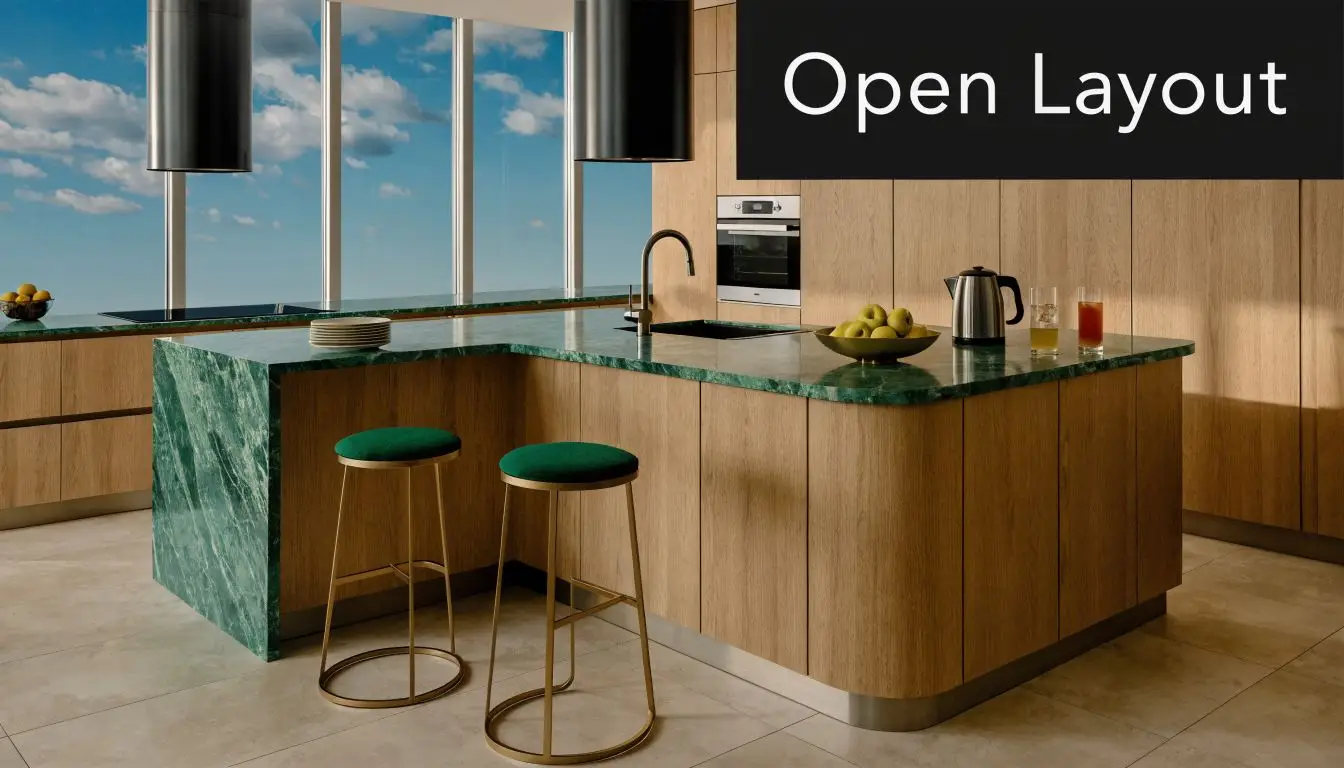
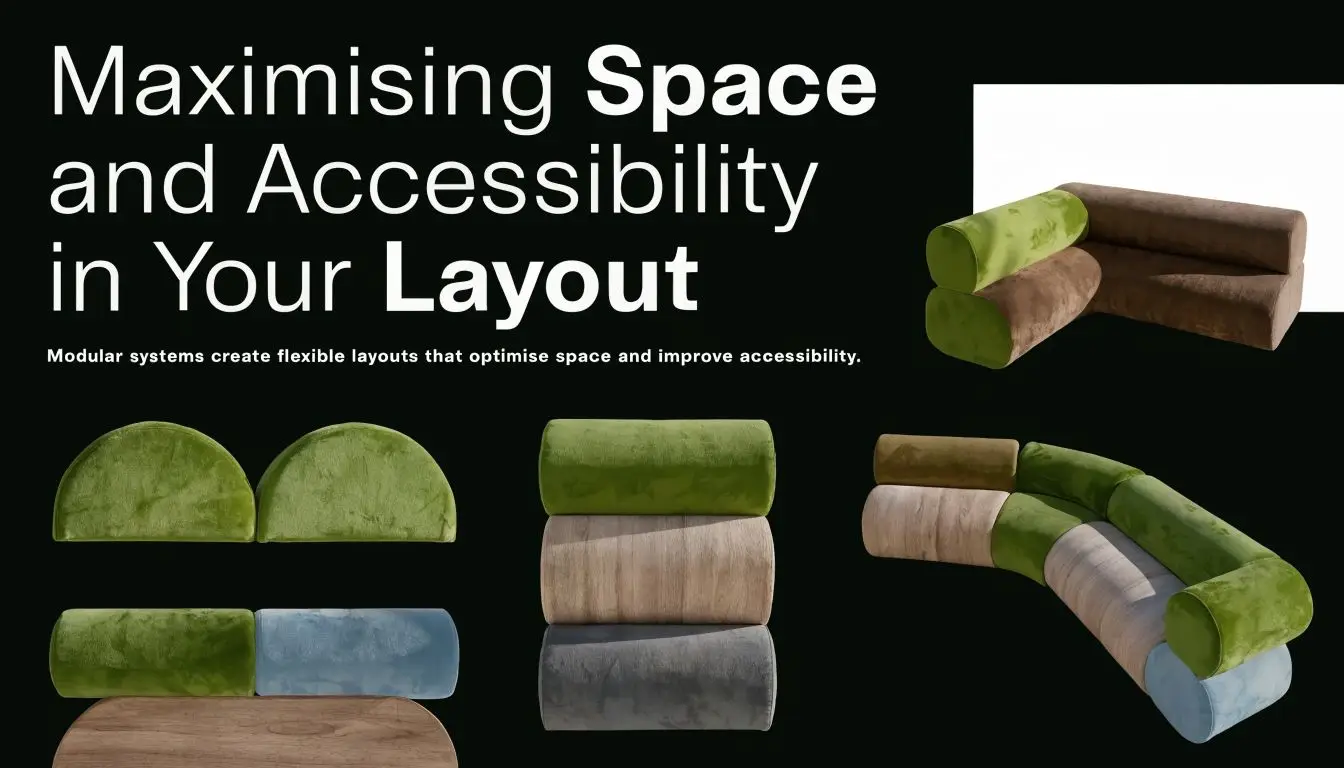
A bathroom doesn't need to be large to feel generous. It needs the right layout. In many Highett homes, the challenge isn't total floor area. It's that the room was planned for a different era. Swinging doors collide with vanities, bulky shower screens cut up the sightline, and storage is either too shallow or in the wrong place.
Good layout work solves daily friction first. You should be able to move through the room naturally, open drawers fully, dry off without banging an elbow, and clean around fittings without gymnastics. That's what makes a bathroom feel modern, even before the finishes go in.
Small-space moves that work in older Victorian homes
A few layout decisions consistently improve compact bathrooms:
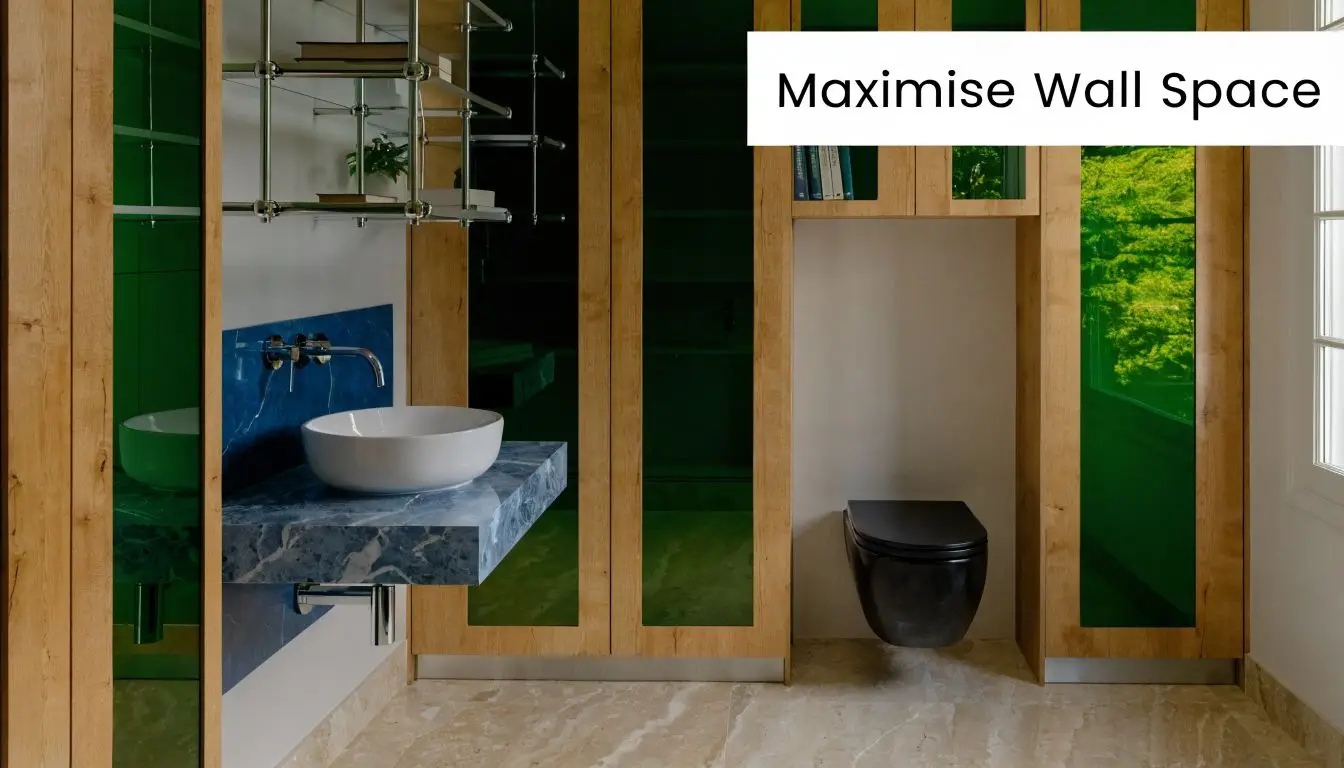
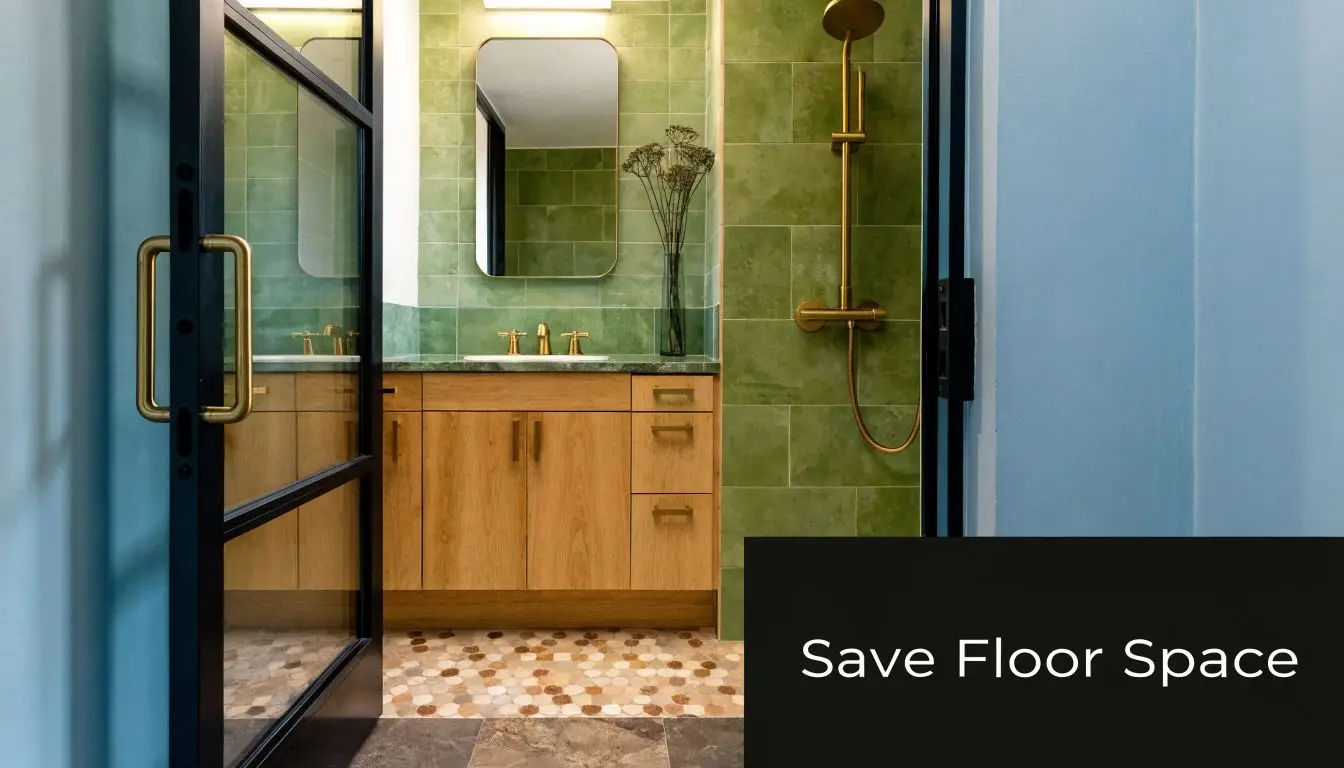
- Wall-hung vanity: Exposes more floor area and makes the room easier to clean.
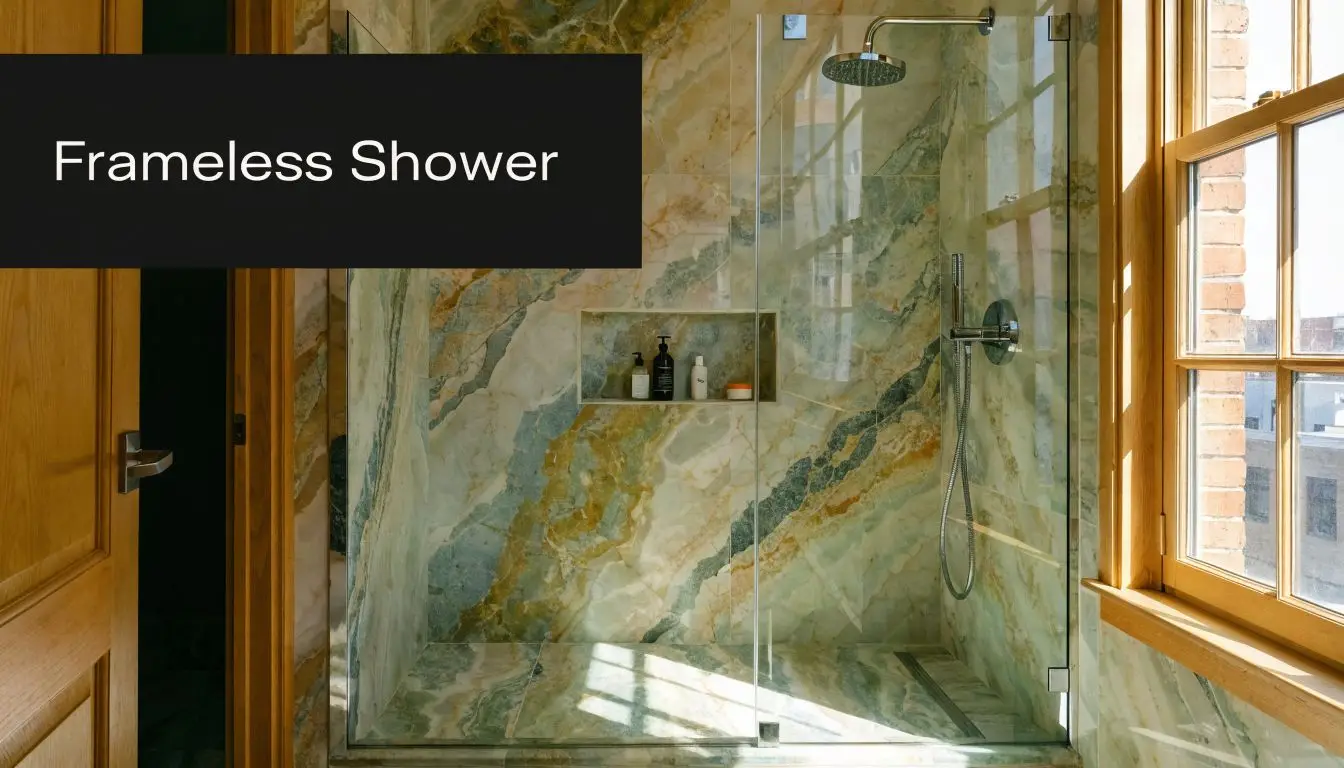
- Frameless shower screen: Keeps the visual line open instead of breaking the room into pieces.
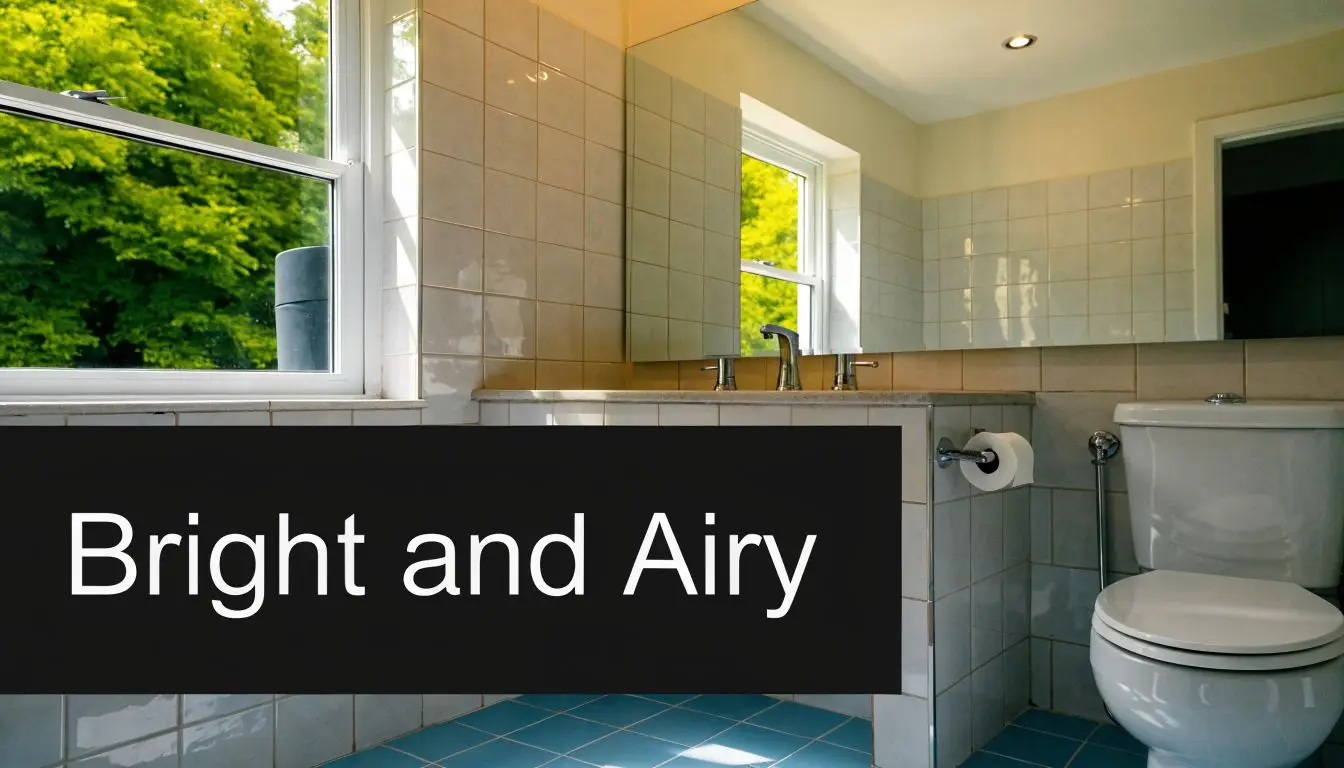
- Large mirror: Reflects light and gives a narrower space more presence.
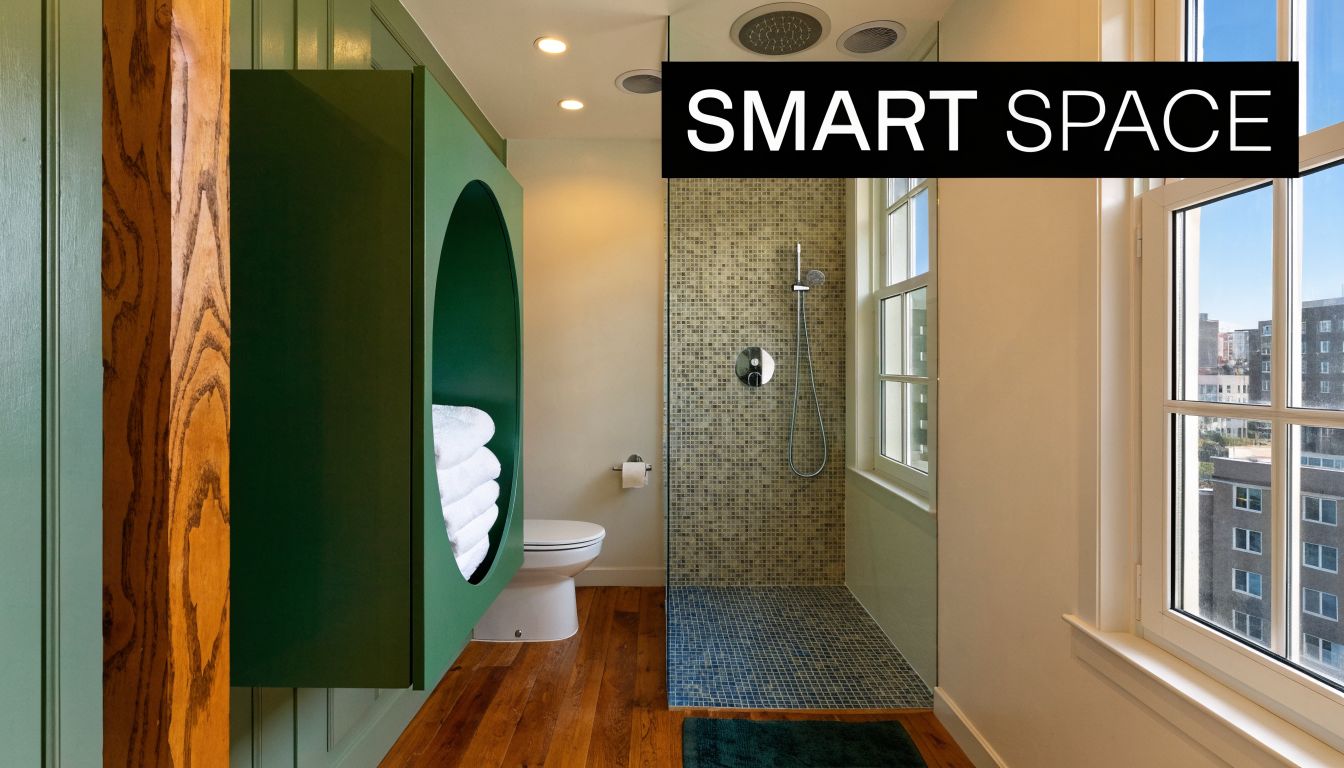
- Recessed storage: Niches and in-wall cabinets reduce the need for protruding shelves.
- Sliding or well-planned door swing: Prevents awkward conflicts with basins, towel rails, or toilets.
These choices work because they reduce visual and physical obstruction. The room feels calmer when fewer elements interrupt your eye line.
Accessibility is smart planning, not a specialist add-on
Many homeowners only think about accessibility when an immediate need appears. It's better to plan for it while the room is already being rebuilt. That doesn't mean making the bathroom look clinical. It means choosing a layout that remains comfortable and safe over time.
Useful future-proofing features include step-free shower entry, strong wall provisions for future grab rails, wider circulation areas, practical vanity heights, and tapware that's easy to use with limited grip strength. A handheld shower on a rail is another simple inclusion that improves flexibility for children, older adults, and anyone with temporary mobility issues.
The best accessible detail is the one you barely notice because it fits the room naturally.
A curbless shower, for example, can look cleaner and more contemporary than a traditional hobbed shower while also making access easier. That's a rare case where style and function point in exactly the same direction.
Think beyond the current household
Families change. Parents age. Injuries happen. Guests stay over. Good bathroom planning accounts for more than today's routine. If your renovation can improve safety and convenience now without compromising style, it's usually worth doing.
This matters even more in homes where the bathroom will serve multiple generations. A layout that only suits one stage of life often forces another renovation sooner than expected. Smart modern bathrooms don't just photograph well. They adapt well.
The Renovation Journey From 3D Design to Completion
A bathroom renovation feels manageable when each stage is resolved before the next one starts. It feels chaotic when decisions are made on the run. The difference usually comes down to planning, documentation, and who is coordinating the trades. Homeowners often assume the hard part is choosing the tiles. In reality, the hard part is keeping design, buildability, and sequencing aligned from day one.
That's where a proper process earns its keep. A bathroom should be designed as a buildable room, not as a collection of disconnected selections.
It starts on paper before it starts on site
The early stage should answer the big questions clearly. What stays. What moves. What the room needs to do better. Which fixtures fit. How storage is handled. How the lighting works. What the finished sightlines will be from the doorway.
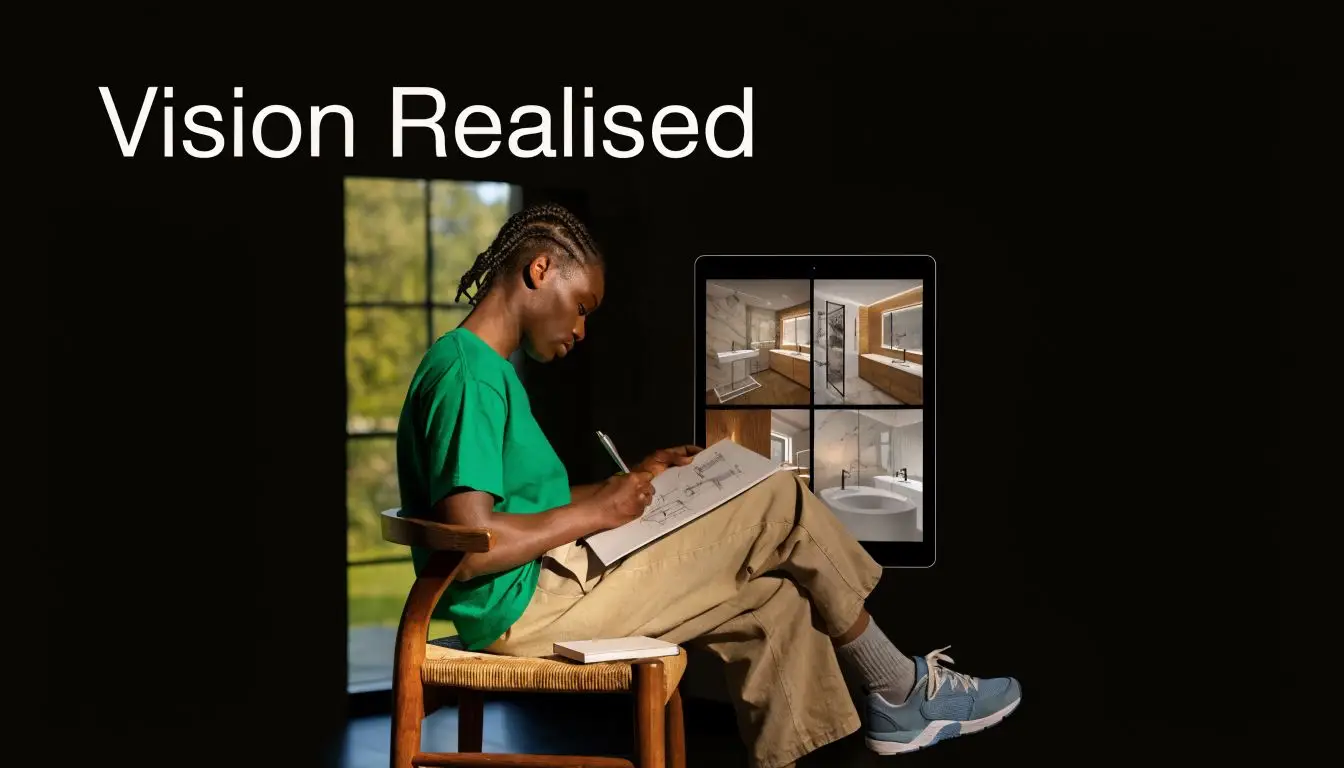
A 3D design is useful because it turns vague ideas into something testable. You can assess proportions, recess locations, vanity scale, tile balance, and circulation before demolition begins. That's especially helpful in smaller Highett bathrooms, where a few centimetres in the wrong place can make the room feel cramped.
Selections also need to be finalised in enough detail that the trades can work without guesswork. If the wall mixer height, niche position, tile set-out, mirror dimensions, and electrical rough-in points are still fluid halfway through, delays and compromises tend to follow.
Construction only runs smoothly when trades are coordinated
Once demolition begins, the room moves through a sequence that has to be respected. Strip-out. Substrate preparation. Plumbing and electrical rough-in. Waterproofing. Tiling. Fit-off. Joinery. Final fixtures. That order sounds simple, but there are dozens of smaller decisions within it that affect quality.
The homeowner shouldn't be left managing those moving parts alone. Plumbers, electricians, tilers, waterproofers, and carpenters all rely on timing and accurate information. If one stage slips or gets installed incorrectly, the impact usually lands on the next trade.
A managed project should also reduce disruption to the household. That means realistic timelines, clear communication about access, sensible material delivery planning, and making sure variations are identified early rather than buried until the end.
If you're trying to judge whether a proposed timeline sounds realistic, this article on how long a bathroom remodel should take gives a useful planning reference.
What a well-run renovation looks like
When the process is working, you'll notice a few things:
- Decisions are documented: There's less back-and-forth on site because positions and selections were resolved early.
- Questions are specific: Trades ask about exact details, not broad guesses.
- The room improves in logical stages: You can see the structure of the project, not just scattered activity.
- Quality checks happen before the next layer covers the previous one: Problems are easier to fix when caught early.
Authentic confidence provides the true advantage. You understand the process, the underlying reasons, and the specific individuals accountable for every phase of the work. That clarity transforms a complex project into a controlled one.
A successful modern bathroom renovation isn't the result of one smart tile choice or one expensive fitting. It comes from a chain of good decisions, made in the right order, and executed by the right people. That's how a dated bathroom in Highett becomes a room that looks sharp, functions properly, and still feels right long after handover.
If you're weighing layouts, finishes, or the practical side of bathroom renovations in Highett, start with the room's real constraints first. Once the plumbing, waterproofing, ventilation, compliance, and layout are solved, the design choices become much clearer. That's when modern bathrooms stop being overwhelming and start becoming buildable.