

10 Small Bathroom Ideas Australia for 2026
A small bathroom usually shows its problems in the first ten seconds. The door clips the vanity, the toilet feels too close to the shower screen, and there is nowhere practical to put towels, chargers, or spare toiletries. I see this often in older homes, compact apartment ensuites, and family bathrooms where the room was built around old plumbing positions rather than how people use it.
Small spaces punish guesswork.
Good results come from disciplined planning, not decorating tricks. The best small bathroom ideas for Australian homes are the ones that improve circulation, storage, cleaning access, moisture control, and day-to-day comfort without creating compliance problems during the build.
From a registered builder’s perspective, the job starts with constraints:
- where the wastes and water lines can realistically move
- how waterproofing will be detailed
- whether ventilation is adequate for the room size and climate
- what door swing and fixture clearances will allow comfortable use
- how tile set-out, falls, and sheet sizes affect the final layout
That is why we use 3D bathroom design before demolition on tight projects at SitePro Bathrooms. It helps homeowners see whether a wall-hung vanity will free up movement, whether a nib wall will make the shower feel boxed in, and whether a larger mirror cabinet gives better value than widening the vanity by another 100 millimetres. On site, those decisions affect cost, compliance, and how the room performs over time.
Materials matter too. In Australian conditions, a small bathroom has to handle heat, steam, cleaning chemicals, and daily wear in a confined area. A finish that looks good in a showroom can be the wrong choice if it marks easily, holds moisture, or needs more maintenance than the household will realistically keep up with.
The 10 ideas that follow come from that practical lens. They focus on layout, storage, light, ventilation, and fixture selection that work in compact bathrooms, with the trade-offs explained clearly so you can make decisions that suit the space, the budget, and the way your household uses the room.
1. Vertical Storage Solutions and Wall-Mounted Fixtures
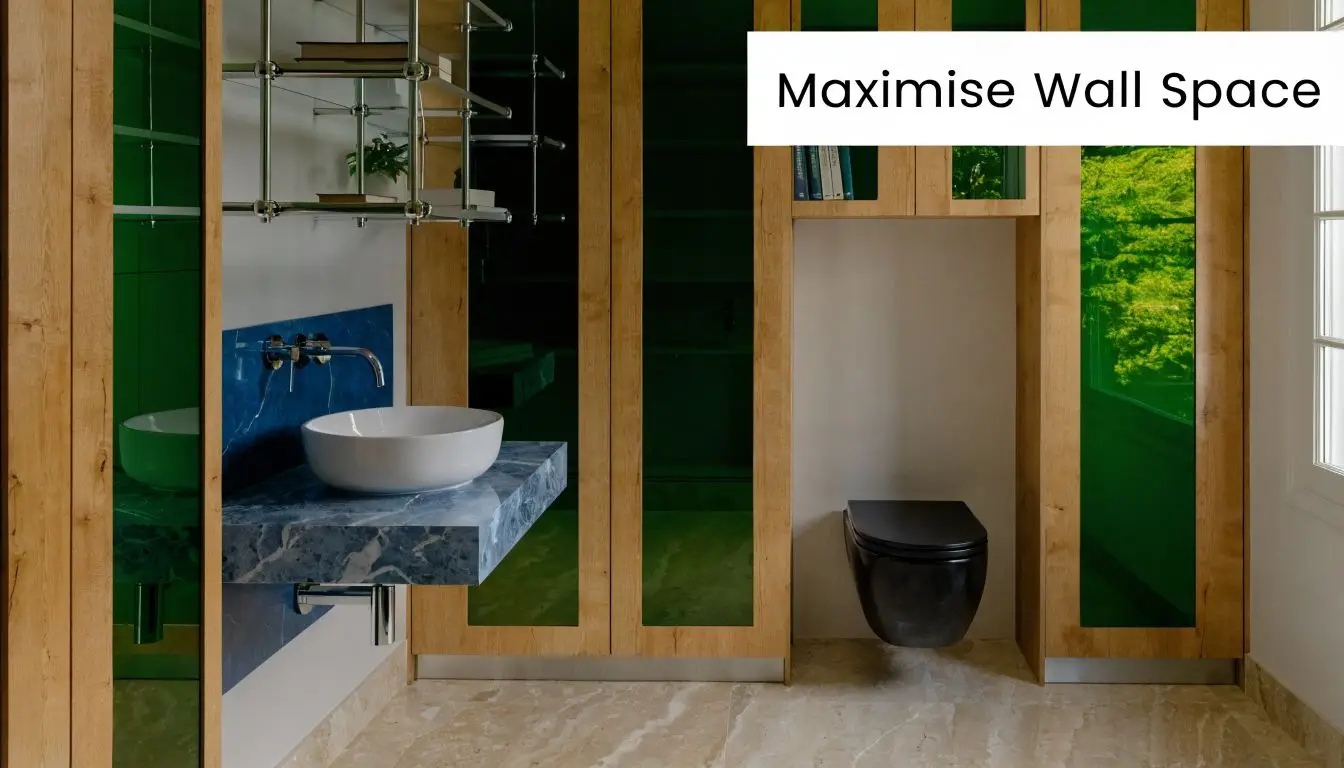
A small bathroom usually feels tight for one simple reason. Too much of the usable room is taken up at floor level.
In practice, the quickest way to improve movement is to shift storage and fixtures onto the walls. Floating vanities, wall-hung toilets, recessed mirror cabinets, and tall joinery all help the floor read as more open. The room is easier to clean, sightlines improve, and the layout feels less congested from the doorway.
At SitePro Bathrooms, this is one of the first things we test in 3D design on compact projects. A wall-hung vanity can give better toe room and make a narrow bathroom easier to use, but only if the depth, mirror placement, and door clearances are resolved properly before the build starts.
What usually works best
For most small ensuites and family bathrooms, one organised storage wall performs better than several small additions spread around the room.
A practical layout often includes:
- A floating vanity to free up visible floor area and simplify cleaning
- A recessed mirror cabinet for daily-use items without adding bulk
- A full-height linen or utility cabinet for towels, toilet paper, and cleaning products
- Wall-hung toilet pans where the wall construction and budget allow for an in-wall cistern
- Shallow shelving above the toilet or beside the vanity where circulation space remains clear
The goal is not to cram more into the room. The goal is to store what the household needs without creating pinch points.
The builder's trade-offs
Wall-mounted fixtures look simple once they are tiled and finished. The hard part sits behind the walls.
Before specifying them, I check four things:
- Structural support: Wall-hung vanities and toilet frames need proper fixing points in the framing or masonry.
- Service locations: Water lines, wastes, and cistern positions have to work within the wall depth and floor build-up.
- Access for maintenance: Concealed cisterns and mirrored cabinets still need sensible access for future repairs.
- Material durability: Joinery boards, edge finishes, and internal carcasses need to suit humid conditions, especially in poorly ventilated bathrooms.
There is also a budget trade-off. Wall-hung toilets and custom recessed storage usually cost more than standard floor-mounted fixtures and off-the-shelf cabinetry. In a tight renovation budget, I would usually prioritise a floating vanity and a good mirror cabinet first, because they deliver a clear space benefit without pushing framing and plumbing costs too far.
Older homes add another layer. In many Melbourne renovations, the wall depth, existing plumbing set-out, and condition of the framing limit how much can be recessed or concealed. That does not rule out wall-mounted solutions, but it does mean the design has to be resolved early so waterproofing, tile set-out, and fixture heights all align on site.
Done properly, vertical storage and wall-mounted fixtures make a small bathroom feel calmer, cleaner, and easier to use every day.
2. Light Colours and Reflective Materials for Spatial Perception
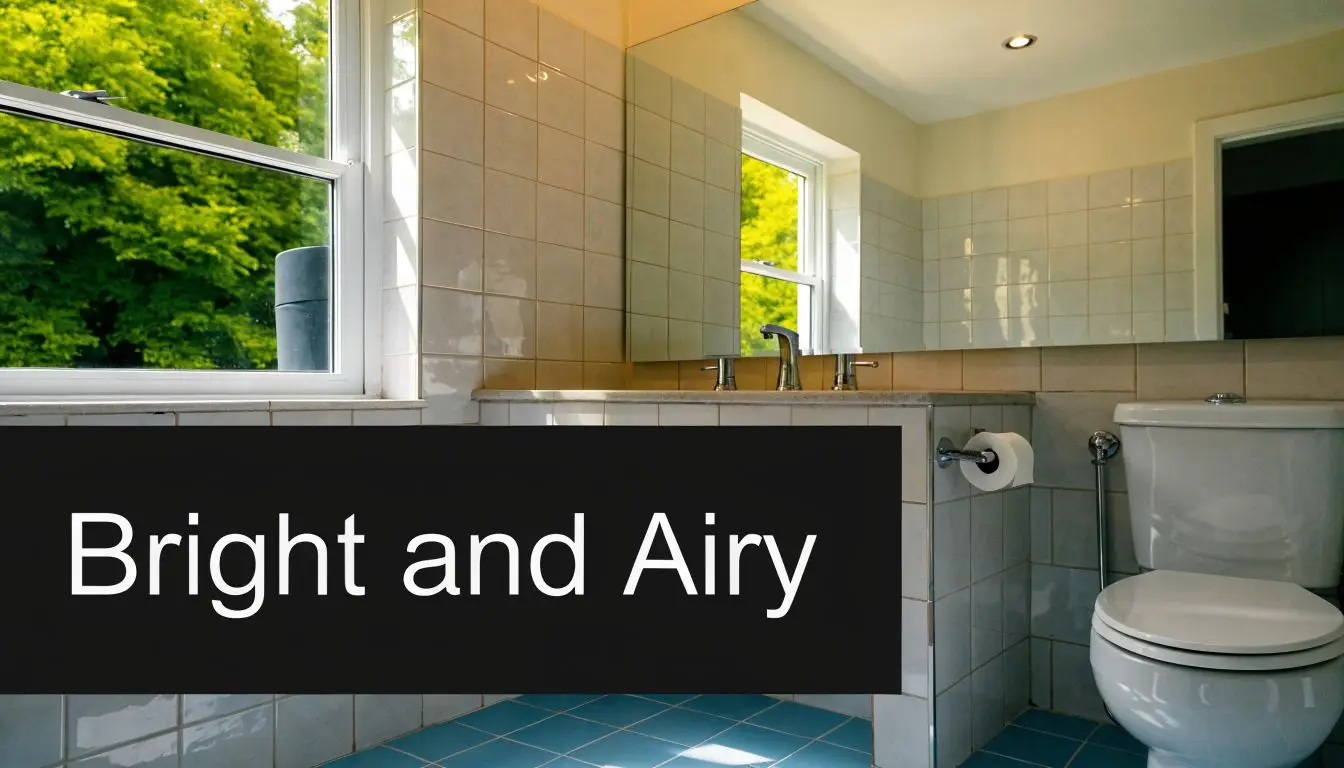
A small bathroom can have adequate floor area and still feel cramped. Dark tiles, heavy contrast, and broken sightlines do that quickly. In practice, the visual result often comes down to how the surfaces handle light.
Light finishes usually perform better in compact Australian bathrooms because they reflect both natural and artificial light instead of soaking it up. White, warm off-white, pale greige, soft stone, and muted green generally hold up well. They make wall planes read more continuously, which helps the room feel less boxed in.
At SitePro Bathrooms, I do not treat this as a styling decision alone. It affects tile selection, lighting layout, mirror size, and how the whole room reads once waterproofing, grout colour, and joinery are in place.
What works on site
Large-format tiles can be a smart choice in a small bathroom because fewer grout joints mean less visual interruption. A full-height mirror, a clear shower screen, and a restrained finish palette usually do more for perceived space than adding extra features.
A practical specification often looks like this:
- Keep the main tile light: Mid-tone and dark tiles can work, but they usually need better lighting and more careful contrast control.
- Match grout closely to the tile: High-contrast grout chops up the walls and floor.
- Use reflective surfaces selectively: Mirrors, glazed wall tiles, and glass screens help. Too many glossy finishes can feel cold and show water spotting faster.
- Limit the finish changes: Two or three dominant finishes are usually enough in a compact room.
- Choose warmer whites where possible: Cooler whites can read harsh under some LED lighting.
- Coordinate fixture heights early: Mirror scale, wall lights, and vanity proportions need to align. It helps to resolve these against standard vanity dimensions before construction starts, especially if you are reviewing standard benchtop height and bathroom vanity proportions.
There is a trade-off here. An all-white bathroom can feel larger, but if every surface is glossy and flat, the room can also feel clinical. I usually balance light tiles with timber-look joinery, brushed metal tapware, or a stone-look tile that has some softness in it. That keeps the space bright without making it feel sterile.
Climate matters too. In humid parts of Australia, highly polished surfaces show condensation, soap residue, and hard water marks more readily. Matte floor tiles are often the better call for slip resistance and day-to-day maintenance, while reflective finishes are better reserved for walls, mirrors, and shower glass.
The best small bathrooms are simple for a reason. They use light well, keep the palette controlled, and avoid surface choices that make the room feel busier than it is.
3. Compact Corner Basins and Space-Saving Vanities
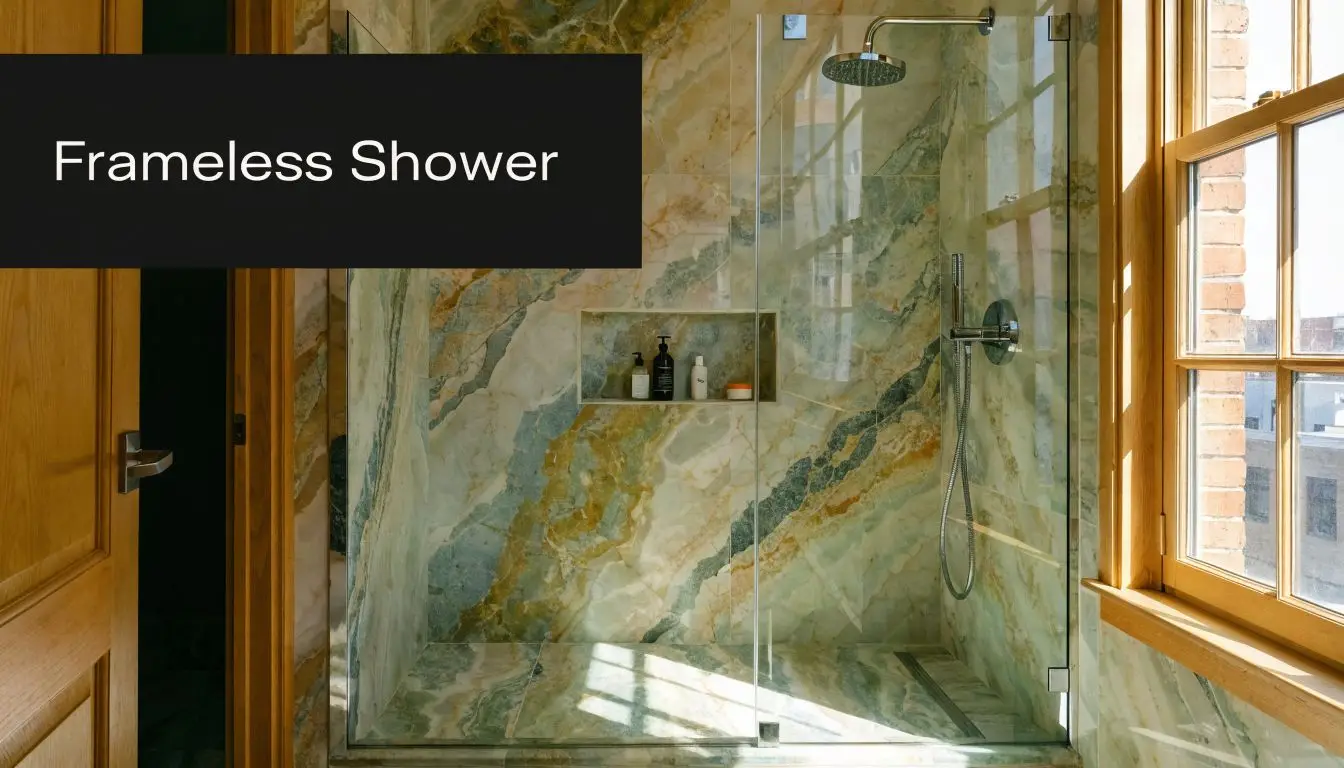
Corners are often wasted in small bathrooms. That’s a mistake, especially in narrow layouts where the vanity projects into the main path of travel. A compact corner basin or reduced-depth vanity can free up movement without making the bathroom feel stripped back.
In very tight rooms, a slim-depth vanity in the 450 to 500 mm range is often a workable choice, and single vanities commonly sit within a 600 to 900 mm width range in Australian planning guidance outlined by ABI Interiors’ bathroom sizing article. The exact vanity height still needs to suit the users and basin type, which is why proportion matters as much as footprint.
Where corner fixtures make sense
If the bathroom door opens toward the vanity, or the walkway between vanity and shower is pinched, shifting the basin into a corner can solve a circulation problem immediately. This is common in older terraces, compact apartment ensuites, and secondary bathrooms where the room width just isn’t generous.
A good corner setup usually includes:
- A wall-mounted tap set: This keeps the basin deck cleaner and frees up usable surface area.
- Built-in mirror storage: You’ll lose some vanity volume, so storage has to move upward.
- Softened edges: Curved vanity corners are kinder in tight walkways than square cabinet fronts.
- Clear standing room: A small vanity still needs to be comfortable to stand at.
Don’t pick a tiny vanity just because it fits on paper. If users have to stand sideways to brush their teeth, the layout still isn’t right.
What doesn’t work
A corner basin won’t fix a bad room if everything else stays oversized. Pairing a small basin with an overbuilt toilet pan, bulky shower frame, or oversized towel rail usually cancels out the gain.
The better result comes from treating the room as one coordinated plan. That’s where proper bathroom renovations differ from piecemeal swaps. Every item needs to support the same goal.
4. Walk-In Showers with Glass Enclosures Instead of Bathtubs
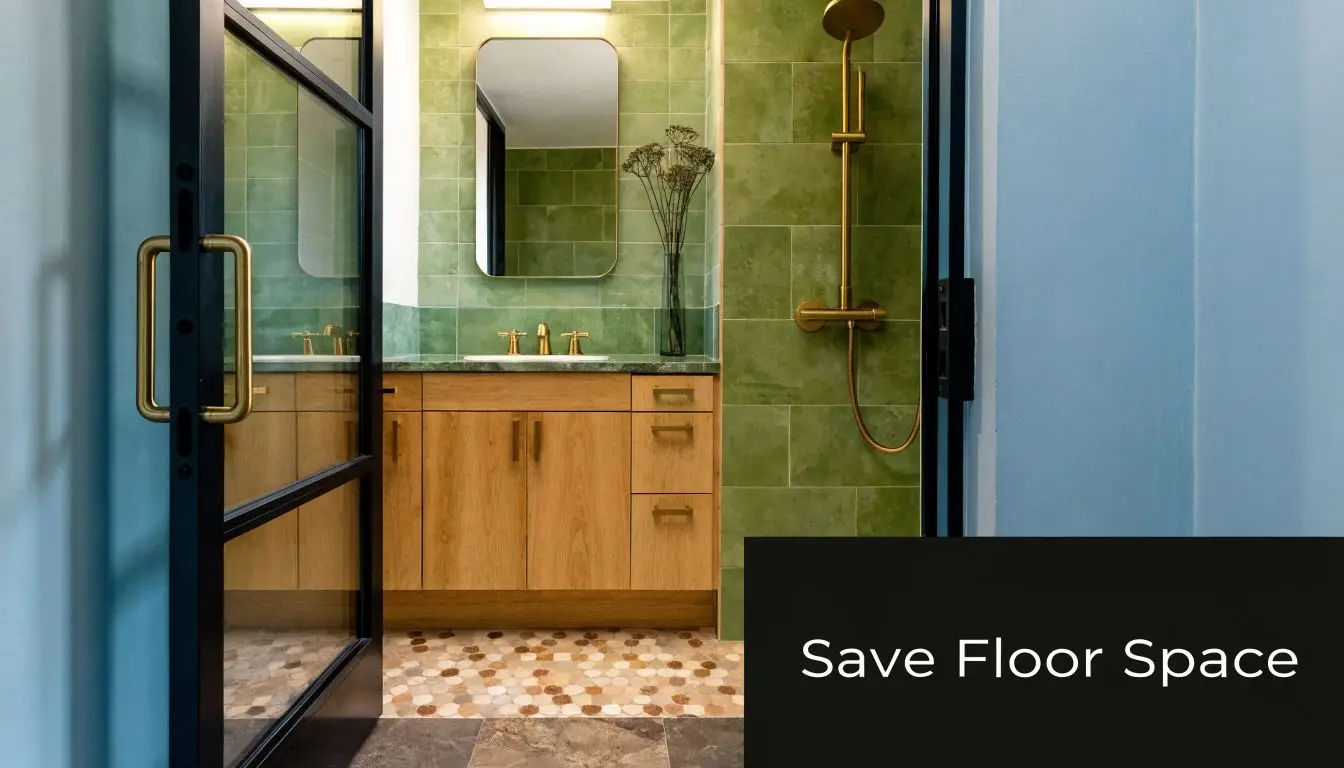
A common small-bathroom problem is simple. The bath takes up half the room, the shower feels cramped, and the floor area never works properly. In many Australian renovations, replacing that bath with a walk-in shower is the change that gives the layout back.
It does not suit every home. If it is the only bathroom in a family house, removing the bath can reduce practicality and resale appeal. In an ensuite, guest bathroom, or apartment with a tight footprint, a shower-only layout often makes better use of the room.
Glass enclosures help because they keep sightlines open. You see more floor, more wall tile, and fewer visual breaks. That makes the room read as one space instead of several small zones.
What matters in a real renovation
The success of a bath-to-shower conversion is not about the glass alone. The build detail decides whether the room feels larger and performs properly over time.
A registered builder will usually assess these points first:
- Shower footprint: A compact shower can work well, but it still needs enough standing room to wash comfortably without hitting the screen or tapware.
- Waterproofing and falls: A walk-in entry needs correct floor grading so water stays in the shower area and drains as intended.
- Screen placement: Fixed glass is often cleaner and easier to maintain than bulky framed doors, but it must be sized to control overspray.
- Tile selection: Slip resistance matters more once the shower becomes the main wet zone.
- Storage: Recessed niches or in-wall shelves keep bottles off the floor and stop the shower from feeling cluttered.
At SitePro Bathrooms, we usually test this change in 3D before demolition starts. That lets clients see whether the shower opening, glass length, vanity clearance, and toilet position will improve circulation, not just look better on a plan.
Trade-offs homeowners should weigh up
A walk-in shower gives back usable space, but there are compromises.
Pros
- Opens the room visually
- Improves movement in narrow bathrooms
- Makes cleaning easier when detailing is simple
- Suits ageing-in-place better than climbing into a bath
Cons
- Removes bathing option for young children
- Needs accurate drainage to avoid water escaping
- Frameless glass shows poor installation quickly
- Full open-entry designs can feel cold in winter
In older homes, I often find the best result is not the biggest shower possible. It is the shower that leaves the right clearance around everything else. A smaller, well-positioned walk-in shower usually performs better than an oversized one that crowds the vanity or toilet.
For Australian conditions, material choice also matters. Use glass hardware, sealants, and tile systems that handle heat, moisture, and daily cleaning without failing early. Small bathrooms work harder than large ones, so the detailing has to be tighter.
5. Pocket Doors and Sliding Barn Doors for Space Efficiency
A standard hinged door occupies more room than generally appreciated. In a small bathroom, the door swing can block the vanity, clip the toilet pan, or force the whole layout into a worse arrangement. Changing the door type can open up options that weren’t possible before.
Pocket doors are the cleaner solution when the wall can accommodate them. They disappear into the cavity and free up usable floor area near the entry. In some renovations, a surface-mounted sliding door is the simpler option if the wall construction or service locations make a pocket system impractical.
Where this idea earns its keep
This is especially useful in narrow ensuites, powder rooms, and terrace-style homes where there’s no spare circulation space. Instead of designing around the door arc, you can place fittings where they work best.
A few points matter before committing:
- Check the wall cavity: Pocket doors and plumbing don’t mix well in the same section of wall.
- Coordinate early: Electrical runs, switches, and noggings need to be planned before framing closes up.
- Use quality hardware: Cheap tracks and rollers make small bathrooms feel worse, not better.
- Think about privacy: Barn-style doors can look good, but they don’t seal acoustically the way a standard hinged door does.
A sliding door is a space-saving move, not an automatic upgrade. If the wall is full of services, forcing it can create more building problems than it solves.
For modern bathrooms, a concealed pocket door usually gives the cleaner finish. For character homes, a carefully chosen sliding door can work visually, but it still needs to function well first.
6. Multi-Functional Vanity Units with Integrated Storage and Seating
The vanity does more work than any other fitting in a small bathroom. It handles handwashing, daily storage, mirror position, bench space, and often the room’s visual centre. If the vanity is poorly chosen, the whole bathroom feels compromised.
That’s why multi-functional vanities are worth serious attention in compact bathroom renovations. The best ones combine basin, drawers, mirror storage, and enough usable bench edge for daily routines without making the room feel overloaded.
The smarter way to use one unit
Deep drawers usually outperform cupboard doors in tight spaces because you can access everything from above. Pair that with a mirrored shaving cabinet and the room becomes easier to keep tidy. In some layouts, a small pull-out stool or integrated perch can be useful, but only if it tucks away fully and doesn’t clutter the floor.
Where a bathroom also has to absorb laundry functions, combined planning matters even more. Thoughtful laundries in bathrooms design planning can stop the vanity wall from becoming a crowded run of unrelated fixtures.
What to prioritise
A vanity should match how the bathroom is used, not just the look you want.
- Choose drawers over dead space: They make small storage more usable.
- Keep the depth honest: Full-depth cabinetry can choke a narrow bathroom.
- Use the mirror cabinet properly: It’s one of the easiest ways to add storage without adding bulk.
- Think about resale: Highly customised joinery can be brilliant, but it still needs broad everyday appeal.
A lot of designer bathrooms succeed because they hide the practical work well. In a small room, that’s often the mark of good design rather than expensive design.
7. Strategic Lighting Design and Layered Illumination
A small bathroom can be well laid out and still feel cramped if the lighting is wrong. I see this often in older Australian homes where a single centre batten or downlight leaves the mirror in shadow, flattens tile colour, and makes the room feel narrower than it is.
Good lighting needs to be planned with the renovation, not selected after the tiles and cabinetry are locked in. At SitePro Bathrooms, we test lighting positions during the 3D design stage so clients can see how mirror lights, ceiling fittings, and low-level lighting will read in a tight room.
What a practical lighting plan includes
Layered lighting works because each fitting has a job.
- Task lighting at the mirror: Side-mounted or well-positioned mirror lighting reduces facial shadows and makes daily use easier.
- Ambient ceiling lighting: General light should cover the full room evenly, not just the centre.
- Low-level feature lighting: Under-vanity or niche lighting can add depth and help a floating fixture read lighter.
- Correct IP-rated fittings: Wet areas and steam-prone bathrooms need fittings suited to the zone and conditions.
Downlights still have a place, but placement matters more than quantity. A row of poorly placed fittings can create glare on tiles and leave the vanity area underlit. If you’re planning recessed fittings, bathroom downlight placement and selection should be worked through alongside the mirror size, shower location, and ceiling set-out.
Trade-offs that matter in real renovations
More fittings are not always better. They add cost, can overcomplicate the ceiling, and in a very small bathroom they sometimes make the space feel harsher rather than brighter.
A better result usually comes from balancing a few elements well:
- keep mirror lighting at a usable height
- avoid relying on one central fitting
- use warm or neutral light that suits the tile colour and skin tones
- add under-bench LED lighting only where it supports the design and can be detailed neatly
Under-bench lighting is one of those details that looks simple but needs proper planning. The cable path, transformer location, vanity construction, and cleaning access all need to be resolved early. Done well, it gives a floating vanity more visual separation from the floor and helps the room feel less heavy.
Lighting will not fix a poor layout. It will, however, make a well-designed small bathroom feel clearer, calmer, and easier to use every day.
8. Niche Shelving and Recessed Storage in Shower and Walls
A small shower with three bottles on the floor, a wire rack on the screen, and nowhere to put soap always feels tighter than it is. Recessed storage fixes that at the source. It puts storage inside the wall cavity, keeps circulation space clear, and reduces the visual clutter that makes compact bathrooms feel busy.
From a builder’s perspective, niches work well only when they are resolved early. On SitePro Bathrooms projects, we set them out during design, often in 3D, so the niche size, tile lines, framing, and waterproofing all work together before demolition is complete. That avoids the common result in small bathrooms: a niche that looks like an afterthought and creates more detailing problems than storage value.
What makes a niche work properly
A neat niche is a construction detail, not just a cut-out in the wall.
The practical checks are straightforward:
- Stud location: The wall frame limits width unless the framing is altered properly.
- Wall depth: Some walls do not have enough cavity depth for useful storage.
- Waterproofing detail: Internal corners, fall, and sealing all need to be handled correctly in wet areas.
- Tile set-out: A niche that lands awkwardly across grout lines usually looks wrong, even in a simple bathroom.
- Item height: Shampoo bottles, pump packs, and razors all need realistic clearance.
- Cleaning access: Deep or overly segmented niches collect residue and are harder to maintain.
One mistake I see often is oversizing the niche. In a small bathroom, a long horizontal recess can look smart on a plan but dominate the shower wall once tiled. A more restrained niche, sized around the products used in the home, usually looks better and performs better.
Build the niche into the design before waterproofing starts. Retrofitted niches are where neat ideas often turn into messy repairs.
Where recessed storage earns its keep
The best locations are the ones that solve a real storage problem without adding bulk.
- In the shower wall: Keeps daily toiletries off the floor and away from hanging caddies.
- Beside the vanity: Useful for hand towels or small items where joinery depth is limited.
- Above a bath hob or ledge: Works if the wall construction allows it and the waterproofing detail is resolved properly.
- Inside a partition wall: Can suit toilet paper or spare products in tight layouts, provided the wall is not carrying services that conflict with the recess.
There is also a compliance and services trade-off here. Not every wall is suitable. Plumbing pipes, cisterns, electrical runs, and structural framing can rule a niche out quickly. In older Australian homes, that constraint shows up often, especially in brick veneer renovations and apartments where wall depth is limited. In those cases, I would rather specify a shallower recessed option or redesign adjacent joinery than force a niche into the wrong wall.
Done properly, recessed storage makes a small bathroom easier to use and easier to clean. It gives back usable room without adding another fixture into an already tight space.
9. Minimalist Design and Decluttering for Perceived Space
A small bathroom can be fully compliant, well finished, and still feel cramped if every surface is busy. I see this often in renovations where the layout is sound, but the room is carrying too many visual decisions at once. Extra colours, open shelving packed with products, oversized tapware, and decorative accessories all compete for attention in a space that has very little to spare.
Minimalist design solves that problem by reducing visual noise.
From a builder’s perspective, the goal is not to make the room feel bare. The goal is to make it read clearly, clean easily, and stay practical for daily use. At SitePro Bathrooms, that usually starts in the design phase with 3D planning. Homeowners can see early whether a room feels calm and ordered, or whether too many fixture shapes, finish changes, and exposed items are making it feel tighter than it is.
Why a simpler room usually feels larger
Perceived space is heavily affected by how many lines, objects, and material changes the eye has to process. In a compact bathroom, a quieter design often works harder than an expensive one.
A restrained scheme usually includes:
- One dominant tile selection: This keeps surfaces visually connected instead of chopped up.
- Simple vanity fronts: Flat or lightly profiled cabinetry tends to look cleaner than ornate detailing.
- Controlled tapware and accessories: Slim, practical fittings reduce bulk without sacrificing function.
- Closed storage where possible: Everyday products stay accessible without living on display.
- A limited material palette: Fewer finish changes usually make the room feel more settled and more spacious.
There is a trade-off. Ultra-minimal bathrooms can become frustrating if storage has not been planned properly. If there is nowhere for spare toilet rolls, cleaning products, hair tools, or daily toiletries to go, clutter comes back within a week. Good minimalist design depends on enough usable storage behind the scenes.
What works in real Australian renovations
In older homes and apartments, compact bathrooms often need to handle hard water marks, humidity, and frequent cleaning in a small footprint. That is why I favour minimalist choices that are easy to maintain, not just visually restrained on handover.
The details that generally hold up best are:
- Cabinet finishes that wipe down easily: Matte surfaces can look good, but some show residue and fingerprints more readily than homeowners expect.
- Wall-hung fixtures with clean lines: These help the floor read more openly and make cleaning easier around the base.
- Mirrors and screens with minimal framing: Heavy visual borders can make a tight room feel boxed in.
- Integrated storage inside the vanity or shaving cabinet: This keeps daily items close without filling every ledge and corner.
- A realistic edit of accessories: Towel rails, hooks, shelves, and holders should match how the bathroom is used, not how a display suite is styled.
That last point matters. A family bathroom, an ensuite, and an apartment bathroom do not need the same level of display or the same number of accessories.
A practical minimalist checklist
Homeowners usually get a better result by editing with function in mind.
- Keep the benchtop for daily essentials only
- Choose two or three finishes and repeat them consistently
- Avoid decorative items that collect dust or reduce usable space
- Store backup products out of sight
- Select fixture sizes that suit the room, not the showroom
Done well, minimalist design makes a small bathroom feel calmer, easier to use, and easier to keep clean. It also helps the quality of the renovation show through, because the eye is not distracted by clutter or too many competing elements.
10. Intelligent Ventilation Systems and Moisture Management
The failure I see most often in small bathrooms is not tile choice or layout. It is trapped moisture.
A bathroom can look sharp at handover and still develop peeling paint, swollen cabinetry, mould around silicone, and a musty smell within a short period if extraction and airflow were never resolved properly. In a compact room, steam builds fast and lingers longer, especially where showers sit close to the vanity, toilet, and door.
From a builder’s perspective, ventilation needs to be designed at the same time as the layout, waterproofing, and material schedule. At SitePro Bathrooms, we usually test this in the 3D design stage because fan location, duct runs, door clearances, window positions, and shower configuration all affect how the room dries out after use. That is particularly important in Australian homes, where climate, roof space access, and older construction methods can change what is practical.
What good moisture control looks like in a small bathroom
A good system clears steam quickly and gets moist air out of the building. It also suits how the bathroom is used in reality.
In practice, that usually means:
- An exhaust fan sized for the room and use pattern: A tiny fan in a high-use family bathroom rarely performs well.
- Ducting that runs to the outside: Moist air discharged into the roof space can create bigger problems above the ceiling.
- Short, efficient duct runs where possible: Long or poorly installed ducting reduces performance.
- Humidity sensing or run-on timers: These help in households where the fan is switched off too early.
- Materials that cope with regular condensation: Cabinet boards, paint systems, trims, and sealants all need to suit a wet environment.
Wet room style bathrooms and full-height tiled surfaces can be easier to clean, but they also make extraction more important because more of the room is exposed to steam and splash. Cleanability improves when the detailing is simple. Drying performance still depends on ventilation.
The trade-offs homeowners should know
Better ventilation usually costs more upfront. It can also require more coordination.
Common constraints include:
- Limited ceiling space: Apartments and some slab homes do not leave much room for ducting.
- No external wall nearby: That can make the duct route longer and less efficient.
- Noise expectations: Quieter fans are available, but they need to be selected and installed properly.
- Energy use versus runtime: A fan that runs longer manages moisture better, but homeowners need to be comfortable with how it operates.
- Window reliance: A window helps, but it is not a substitute for mechanical extraction, especially in winter or in bathrooms with poor cross-flow.
These are practical decisions, not showroom decisions.
Moisture management is more than the fan
The fan matters, but it is only one part of the system. Small bathrooms hold up better when the rest of the detailing is done properly too.
- Seal penetrations carefully: Pipe penetrations, fittings, and junctions need neat, durable sealing.
- Use moisture-resistant substrates in the right locations: This matters behind tiles, around vanities, and near shower zones.
- Protect joinery from constant wetting: Cabinet design should account for splash zones and cleaning habits.
- Allow the room to dry between uses: Door undercuts, window placement, and fan controls all play a part.
A registered builder treats ventilation and moisture control as a performance issue from day one. That approach usually gives homeowners a bathroom that stays cleaner, smells better, and lasts longer under real Australian conditions.
10-Point Comparison: Small Bathroom Ideas (Australia)
| Solution | Implementation complexity | Resource requirements | Expected outcomes | Ideal use cases | Key advantages |
|---|---|---|---|---|---|
| Vertical Storage & Wall-Mounted Fixtures | Moderate–high (wall reinforcement, plumbing) | Medium–high cost; professional install; moisture‑resistant materials | Frees floor area, cleaner look, improved accessibility | Ensuites, compact bathrooms <5 m², Victorian terraces | Maximises usable floor space; modern appearance; easier cleaning |
| Light Colours & Reflective Materials | Low (paint, tiles, mirrors) | Low cost; standard trades | Brighter rooms, perceived larger space, timeless aesthetic | Dark small bathrooms, rentals, budget renovations | Low cost, quick visual impact, increases appeal |
| Compact Corner Basins & Space‑Saving Vanities | Low–moderate (plumbing, tight fit) | Low–medium cost; specialized fixtures | Efficient corner use, retains functionality with smaller footprint | Studio ensuites, tight layouts, terrace bathrooms | Frees central space; affordable; many style options |
| Walk‑In Showers with Glass Enclosures | Moderate–high (waterproofing, glass fitting) | Medium–high cost; quality glass & ventilation required | Visual openness, easier cleaning, improved accessibility | Bathrooms where tubs are rarely used; rental/upgrades | Maintains sightlines; modern look; appeals to buyers/renters |
| Pocket Doors & Sliding Barn Doors | High for pockets (structural work); moderate for barn doors | Medium–high cost; carpentry and possible rerouting | Recovers door swing space; smoother traffic flow; variable privacy | Terraces, tight entryways, accessible bathrooms | Eliminates swing area; improves circulation; contemporary feel |
| Multi‑Functional Vanity Units | Moderate (joinery, plumbing integration) | Medium cost; customisation increases cost | Consolidated storage and function; neater countertops | Apartments, family bathrooms needing storage | Maximises storage; customizable; reduces extra furniture |
| Strategic Lighting & Layered Illumination | Low–moderate (electrical planning) | Low–medium cost; electrician recommended; LEDs | Enhanced depth, better task lighting, improved mood and safety | Homes with limited natural light; modern refurbishments | Energy‑efficient; improves perceived space; flexible ambience |
| Niche Shelving & Recessed Storage | Moderate (must be planned in renovation) | Low–medium cost; tiling & waterproofing work | Hidden storage, decluttered surfaces, integrated look | Showers, small ensuites, renovations | Saves surface space; built‑in aesthetic; keeps toiletries organized |
| Minimalist Design & Decluttering | Low (design approach) | Low cost; investment in hidden storage helpful | Perception of larger, calmer space; low maintenance | Busy professionals, rentals, contemporary homes | Cost‑effective; timeless; easy upkeep |
| Intelligent Ventilation & Moisture Management | Moderate–high (ducting, HVAC expertise) | Medium–high cost; proper ductwork and maintenance | Prevents mold, improves air quality, protects structure | Humid climates, bathrooms with condensation issues | Protects materials, improves health, extends component life |
Bringing Your Small Bathroom Vision to Life
A small bathroom usually looks simple on paper. Then demolition starts, the walls open up, and the room shows its limits. Door swings clash with vanity depth. Existing plumbing fixes the layout more than expected. Storage disappears fast unless it is designed into the walls and joinery from day one.
That is why small bathroom ideas australia homeowners get the best results from are usually the ones that solve real site constraints first. In a compact room, good design is not about adding features. It is about choosing the right ones, sizing them properly, and making sure the build will comply with Australian requirements for waterproofing, drainage, electrical work, ventilation, and fixture placement.
From a builder’s perspective, the strongest small-bathroom renovations usually come down to a few practical decisions:
- keep floor area clear with wall-hung fixtures where the wall construction allows it
- reduce visual clutter with simpler finishes and storage that is built in, not added later
- avoid oversized vanities and shower screens that restrict movement
- choose materials that handle moisture, temperature shifts, and daily cleaning in Australian conditions
- resolve the layout in drawings and 3D before construction starts, especially where plumbing moves are being considered
Cost control starts well before the first trade arrives. In small bathrooms, wasted money usually comes from late changes, unsuitable fixture sizes, and discovering too late that a wall cannot take the item selected or that services need to be rerouted. Earlier in the article, renovation cost pressure and tighter household budgets were already noted. That pressure makes planning more important, not less.
A registered builder helps by dealing with the parts homeowners do not always see at the concept stage:
- checking whether proposed layouts can be built within the room’s actual dimensions
- coordinating plumbing, electrical, waterproofing, tiling, and ventilation before work begins
- allowing for access, maintenance, and service clearances
- selecting products and finishes that will hold up in wet areas over time
- identifying trade-offs early, such as whether extra storage is worth giving up circulation space
3D design is especially useful in small bathrooms because small measurement errors have big consequences. A vanity that looks compact in a showroom can feel oversized once the toilet pan, shower entry, and towel rail are all in place. Seeing the room properly before demolition helps prevent expensive revisions and gives homeowners a clearer basis for decisions.
For homeowners in Highett and across greater Victoria, SitePro Bathrooms is one local option for design development, 3D visualisation, construction, and finishing. That kind of coordinated delivery suits compact bathrooms because there is less tolerance for guesswork, rushed selections, or poor sequencing between trades.
The goal is straightforward. Build a bathroom that fits the room, meets code, manages moisture properly, and feels calm to use every day. In a small space, that standard comes from disciplined planning and careful execution, not from trying to force in features the room cannot comfortably hold.