
You’ve probably got a dozen tile tabs open right now. One looks perfect in the showroom, another seems cheaper online, and a third keeps showing up in modern bathrooms on social media. The problem is that bathroom tile isn’t just a style choice. In a Victorian home, it’s also a building decision.
A good tile choice has to do three jobs at once. It has to suit the way the room is used, handle moisture properly, and still look right once it’s installed under your actual lighting, next to your vanity, tapware, and shower screen. That’s where many bathroom renovations go off track. People choose a tile they like before they’ve worked out what the room needs.
If you want to know how to choose bathroom tiles properly, start with function and finish with style. That order matters.
Planning Your Foundation Before You Browse
Most homeowners start with colour. Builders start with use.
A family bathroom in Highett has different demands from a guest powder room or a quiet ensuite. The first gets daily traffic, wet feet, dropped products, stronger cleaning chemicals, and more wear around the shower and vanity. The second may barely see use. If you treat those rooms the same, you often end up overspending in one or under-specifying the other.
Start with how the bathroom is actually used
Before you visit a showroom, answer four practical questions:
Who uses the room every day
Kids, older adults, tenants, guests, or just two adults all create different wear patterns and safety needs.Where are the wet zones
The shower floor, shower walls, bath surround, and floor outside the shower don’t all need the same tile.How much natural light is there
A soft grey tile in a bright north-facing bathroom can look very different in a darker south-facing room.What are you renovating around
Existing windows, nib walls, floor falls, recessed niches, and door clearances all affect tile size and layout.
That last point gets missed a lot. A tile may look balanced on a sample board and awkward in a compact bathroom once cuts start appearing around the vanity, waste, and corners.
Practical rule: choose the room type first, then the floor tile, then the wall tile, then any feature tile. That sequence keeps the project grounded.
Break the bathroom into zones
A bathroom isn’t one tiled box. It’s a set of zones with different demands.
Shower floor
This is the highest-risk area for slipping and one of the most demanding for drainage. Grip matters more than visual simplicity.Main floor
This needs durability, cleaning practicality, and a finish that still looks good when wet.Walls in splash areas
These need a surface that handles regular moisture and is easy to wipe down.Vanity or feature wall
Here, you can take more design freedom because the performance demands are lower.
If you’re working with a builder, this early planning stage is also when compliance and scope should be locked in. That’s one reason using a registered builder for your bathroom renovation matters. Bathrooms don’t forgive loose planning.
Test the tile in your real light
Showroom lighting flatters almost everything. Your bathroom won’t.
Take samples home and check them at three times of day. Morning light, late afternoon light, and artificial lighting can all change how a tile reads. Warm whites can turn creamy. Cool greys can become blue. Gloss tiles can bounce light well on one wall and show every splash mark on another.
A simple pre-selection checklist helps:
- Check scale
Hold the sample against the room dimensions, not just in your hand. - Check reflection
Look at the tile under downlights and window light. - Check maintenance
Rub water on the surface and see what marks show. - Check neighbouring finishes
Put the sample next to cabinetry, benchtops, and paint.
That groundwork makes the rest of the decision much easier.
Material Matters for Victorian Homes
A bathroom in Melbourne can look dry at 10 am and still carry moisture in the air well into the afternoon. In older Victorian homes, that gets amplified by cooler rooms, limited ventilation, and wall and floor substrates that are rarely as flat or stable as they first appear. Tile choice has to suit those conditions, not just the showroom sample.
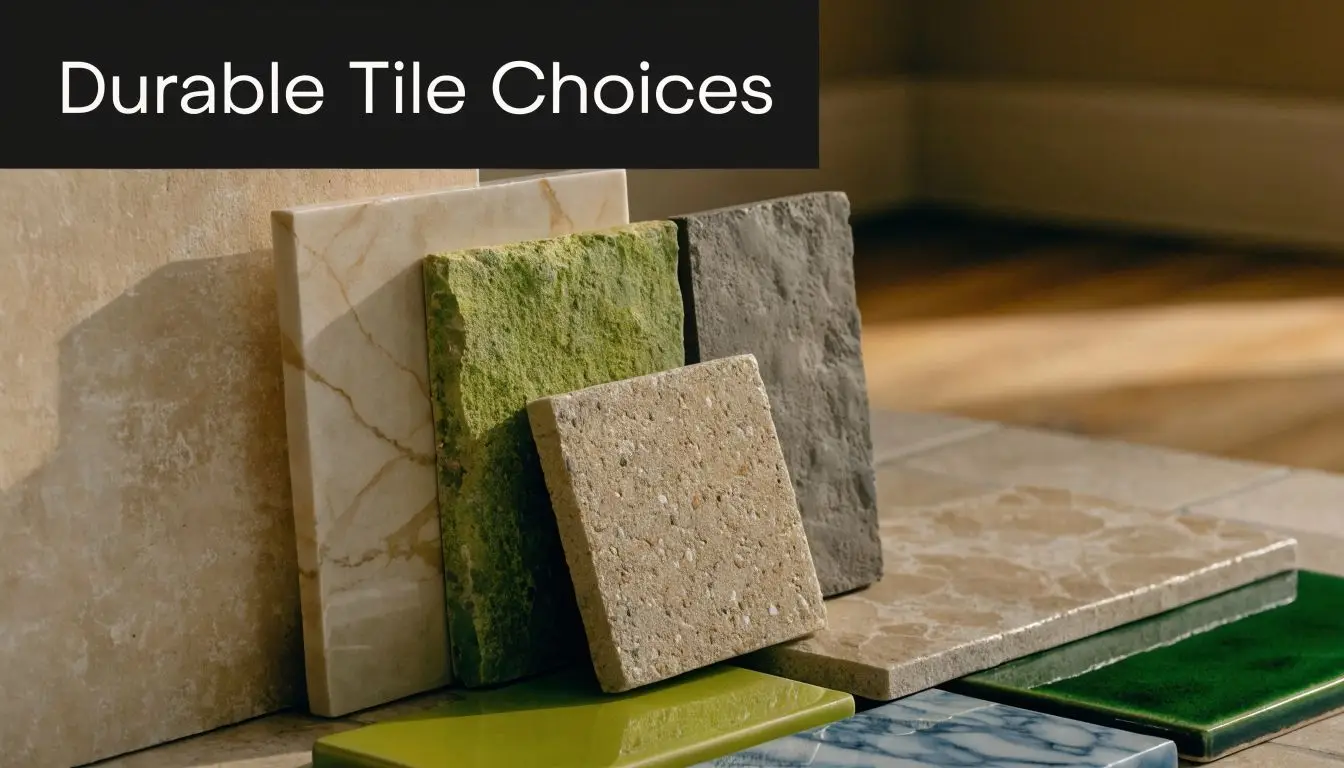
Porcelain, ceramic and stone compared
The material sets the baseline for how the bathroom will wear, how much maintenance it will need, and how forgiving it will be in a wet Victorian climate.
| Material | Where it works well | Where it can fall short |
|---|---|---|
| Porcelain | Floors, showers, family bathrooms, high-use ensuites | Usually costs more than basic ceramic and can be harder to cut and drill |
| Ceramic | Walls, lower-wear areas, some lighter-use bathrooms | Less durable on hard-working floors and in consistently wet areas |
| Natural stone | Feature walls, high-end bathrooms, spa-style finishes | Needs sealing, more maintenance, and tighter installation control |
For most Victorian homes, porcelain is the safest all-round choice. It is denser, absorbs less water, and stands up better to regular wetting, cleaning, and temperature swings between colder mornings and heated interiors. That matters in suburbs closer to the bay, but I also see it matter in inland Melbourne bathrooms where condensation lingers because the room never really dries out.
Ceramic still has a place. It is often good value on walls, easier on the budget, and available in a huge range of finishes. The limitation is wear. On floors that cop daily traffic, dropped products, and repeated cleaning, ceramic can show its age sooner than a good porcelain tile.
Natural stone gives a bathroom a different character, but it asks more from the owner and the installer. Stone needs the right sealer, the right adhesive system, and realistic expectations about upkeep. If a client wants stone in a period renovation or a higher-end ensuite, I make sure they understand the maintenance before we order. That is the same approach I recommend when designing an ensuite for a tighter footprint, because premium finishes have to perform, not just photograph well.
PEI and slip resistance are practical selection checks
A good-looking tile can still be the wrong tile.
PEI rating helps you judge how the surface will handle wear. For bathroom walls, the demand is low. For an ensuite floor, the load is still fairly modest, but it is constant. For a family bathroom, traffic, grit on feet, and stronger cleaning products all add up. If the tile is too lightly rated for the job, the finish dulls or scratches long before the waterproofing system is due for inspection.
Slip resistance matters even more in real use. In Australia, bathroom floor tiles should be checked against AS 4586, not chosen on appearance alone. A polished tile can look sharp on a display board and become a liability once soap film, overspray, and steam hit the surface. For shower floors in particular, a suitable slip rating and a surface that still feels secure when wet are worth paying for.
What works in Victorian bathrooms
These are the combinations I recommend most often across Melbourne renovations:
For shower floors
Use smaller format tiles or a textured surface so the floor follows the fall properly and gives better grip underfoot.For main bathroom floors
Choose porcelain with confirmed slip performance and a wear rating that suits family use, not just guest use.For walls
Ceramic often works well because the wear is lower and the cleaning is straightforward, provided the tile is installed over the right substrate in wet areas.For feature areas
Stone or specialty finishes can work, but only if sealing, cleaning, and long-term upkeep are acceptable to the owner.For any tile you are seriously considering
Ask for the technical data sheet. Check water absorption, slip classification, and whether the tile is rated for the location you plan to use it in.
The tile itself is only part of the decision. In Victoria, the material has to work with the waterproofing system, the substrate, the room ventilation, and how the household uses the bathroom. That is why a tile that suits a powder room wall may be a poor choice for a shower floor in a busy family home.
Sizing Up Your Style With Finishes and Shapes
Once the technical side is sorted, the design decisions become much clearer. New bathroom ideas begin to take shape. The tile still has to perform, but now it can also set the mood of the room.
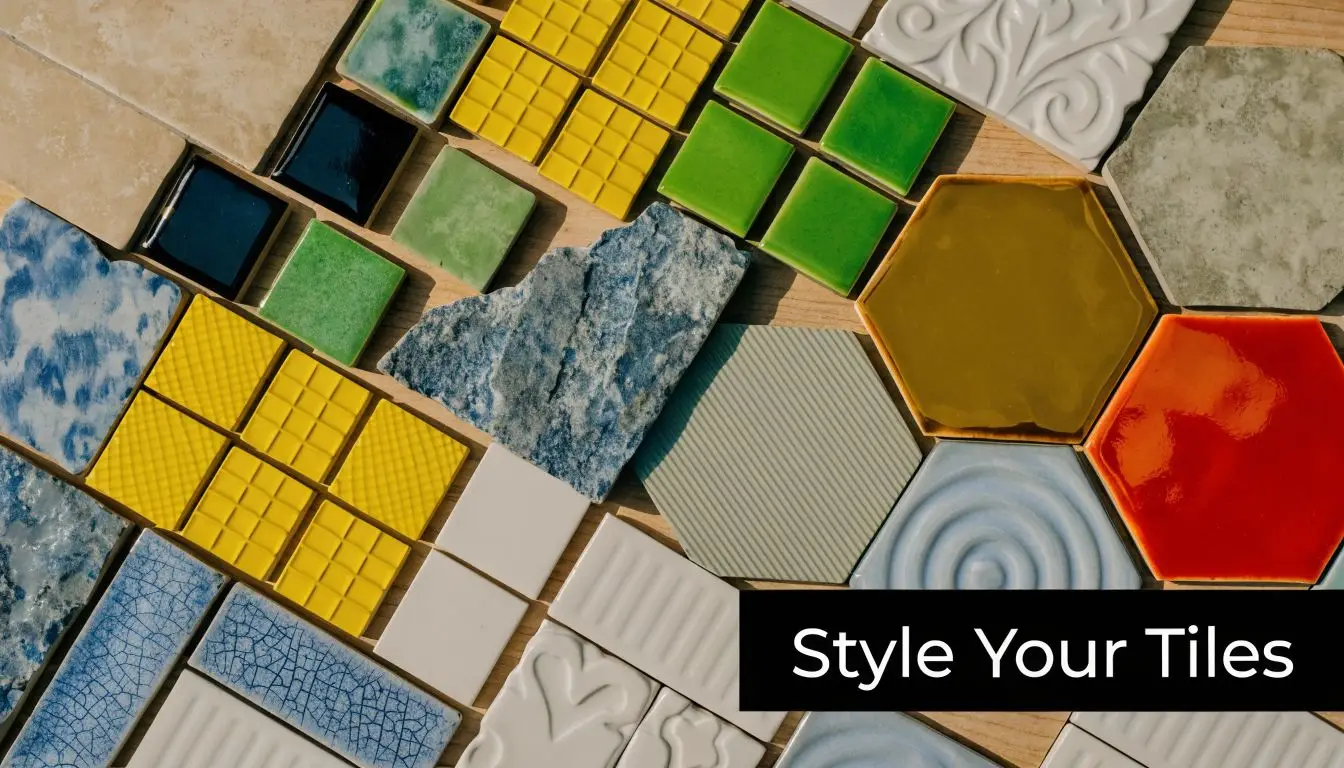
Large format versus small format
Large-format tiles often suit modern bathrooms because they create a calmer visual field. Fewer grout lines usually means the room feels less busy, and in a smaller bathroom that can make the space read larger.
Small tiles do a different job. They add texture, movement, and often better practicality underfoot in the shower. Mosaics are especially useful where the floor needs to follow fall lines cleanly toward the waste.
A simple comparison helps:
Large-format tiles
Best for a sleek appearance, easier visual continuity, and cleaner wall expanses.Medium-format tiles
Good when you want balance and easier handling around standard bathroom dimensions.Mosaics and smaller tiles
Strong for shower floors, niches, curved details, and feature moments.
Gloss, matte and textured finishes
Finish changes how a tile looks and how it behaves.
Gloss tiles reflect more light, so they can brighten an ensuite or make a narrow bathroom feel more open. They’re often useful on walls, especially where you want a crisp, polished feel. The downside is that they tend to show splash marks, smudges, and uneven wall light more readily.
Matte and textured finishes feel quieter and more architectural. They usually suit floors better because they look more grounded and are less visually slippery. In designer bathrooms, a matte tile can also make stone-look finishes read more naturally.
Builder’s note: if you love a glossy tile, keep it on the wall. Let the floor do the hard work.
Shape changes the personality of the room
The same colour palette can feel classic, sharp, soft, or bold depending on shape and layout.
| Shape | Effect in the room | Best use |
|---|---|---|
| Subway | Familiar and adaptable | Walls, niches, splashback-style areas |
| Square | Calm and balanced | Floors or walls in minimalist bathrooms |
| Hexagon | More graphic and contemporary | Feature areas, powder rooms, small impact zones |
| Kitkat or finger mosaics | Vertical texture and movement | Curved walls, niches, vanity features |
If you’re aiming for designer bathrooms rather than trend-driven bathrooms, restraint usually wins. One hero tile, one supporting field tile, and a consistent colour story tend to age better than mixing too many shapes and finishes in one room.
Beyond the Tile Grout Layout and Substrate
A bathroom can have beautiful tile and still fail if the supporting work is poor. The finished look depends on what’s underneath, what sits between the tiles, and how the whole layout is set out before the first piece is fixed.
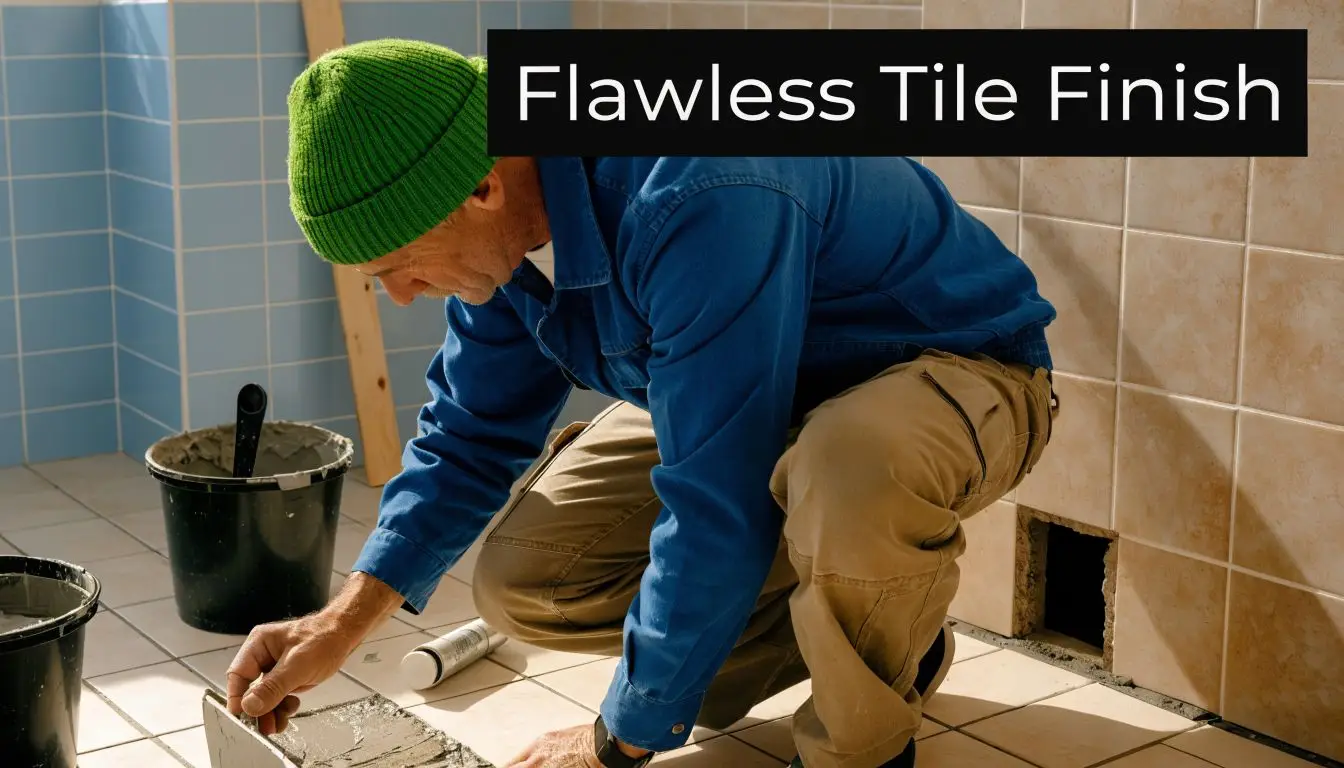
Grout affects both look and maintenance
People often treat grout as an afterthought. It isn’t.
A grout colour that matches the tile creates a more unified finish. A contrasting grout makes the pattern stand out and can sharpen the geometry of subway, stack bond, or herringbone layouts. Neither is right or wrong. It depends on whether you want the tile shape to disappear or become part of the design.
Grout width also matters. Narrow joints can look refined on rectified porcelain, while slightly wider joints may better suit handmade-look finishes that have natural variation.
Matching grout
Better when you want a calm, continuous surface.Contrasting grout
Better when shape and pattern are part of the design intent.High-moisture areas
Need a grout selection that stands up to regular cleaning and damp conditions.
Layout decides whether the room feels polished
Layout is where trade skill becomes visible.
A centred layout around the vanity or rear wall often feels deliberate and balanced. Poor planning leaves you with awkward slivers at edges, messy cuts at the doorway, or feature walls that aren’t visually centred to the fittings. This is one of the reasons tile should never be selected in isolation from the room measurements.
If you’re considering bigger tile formats, installing large-format porcelain tiles requires tighter planning around substrate flatness, lipping control, and set-out. The larger the tile, the less forgiving the room becomes.
Set-out should respond to the room, not force the room to obey the tile packet.
The substrate and waterproofing do the hidden heavy lifting
No tile system is better than the surface beneath it.
The substrate has to be sound, level, and suitable for a wet area build-up. Floor falls need to be correct before tiling begins. Waterproofing needs to be completed properly, with junctions, penetrations, and transitions treated as critical details rather than quick prep.
Experienced bathroom renovations separate from cosmetic updates. A bathroom might look excellent on completion and still hide movement, moisture problems, or weak prep that leads to failure later. In practice, the best-looking result usually starts with the least glamorous work.
Designer Bathroom Inspiration in Action
Good tile selection becomes easier when you can see how the decisions work together. The room type drives the palette, the finish, and the layout. That’s true whether you’re aiming for practical family use or a more refined designer bathroom feel.
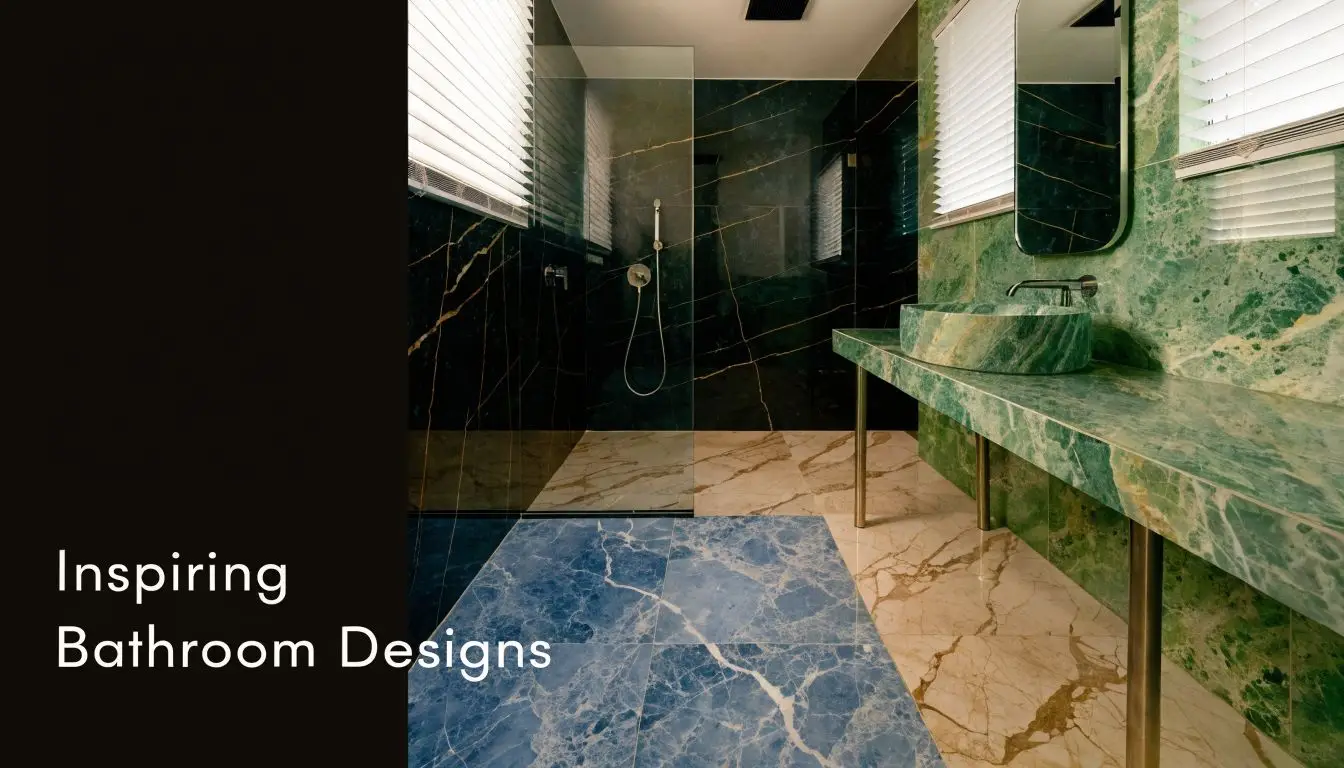
A family bathroom that can take daily use
A busy shared bathroom usually works best with a restrained base. Think matte porcelain on the floor in a mid tone that hides marks well, then simpler wall tiles that keep the room bright without asking for too much maintenance.
The feature can sit behind the vanity rather than in the shower. That keeps the high-design moment in the driest visual zone and leaves the most demanding areas easy to clean and easy to live with.
A compact ensuite that feels bigger than it is
An ensuite often benefits from lighter wall tiles and a simpler tile count. Gloss on the walls can help bounce light around, while a smaller, more tactile tile underfoot in the shower gives grip and solves the drainage geometry neatly.
In tight rooms, keeping the floor tile consistent through the open floor and into the shower usually helps the space feel less chopped up.
A seamless main bathroom with a luxury finish
For higher-end modern bathrooms, one stone-look porcelain used across floor and selected walls can create a quiet, spa-style result. The success here usually comes from discipline. Minimal transitions, carefully selected grout, and clean set-outs do more than adding extra colours or feature strips.
Luxury in a bathroom rarely comes from using more materials. It usually comes from using fewer materials more carefully.
Your Final Checklist for a Perfect Choice
A tile sample can look right in the showroom and still be wrong for a Victorian bathroom once steam, winter temperatures, cleaning, and daily foot traffic come into play. The final check is where costly mistakes get caught before the order is placed.
Price per square metre rarely tells the full story. The actual cost sits in the whole assembly: surface preparation, waterproofing, falls, trims, waste from cuts, grout selection, and the extra labour some tiles demand. I have seen inexpensive tiles turn into expensive jobs because they arrived with edge variation, chipped during cutting, or forced awkward set-outs around wastes and niches.
Before you order, run through these points:
Use check
Match the tile to the room’s actual job. A hard-wearing family bathroom needs a different floor tile from a low-use powder room or ensuite.Wet-zone check
Confirm the shower floor, main floor, and walls are suited to their location. In Melbourne homes, that usually means paying close attention to grip underfoot and ease of cleaning on larger wall areas.Performance check
Read the technical data sheet. Check water absorption, slip rating where relevant, tile variation, and whether the product suits internal wet areas under Australian requirements.Lighting check
View the sample in your own bathroom, in daylight and at night. South-facing rooms, poor natural light, and warm artificial lighting can all change how colour and texture read.Layout check
Make sure the tile size works with the room dimensions, floor wastes, niches, windows, and tap set-outs. Good tile choices still fail visually if the layout creates thin cuts in obvious places.Installation check
Confirm the substrate is suitable, the waterproofing system is specified correctly, and the installer has allowed for movement joints, falls, and the right adhesive for the tile type.
Professional specification usually pays for itself because it removes guesswork from the parts homeowners do not always see. The tile has to work with the substrate, the waterproofing, the room dimensions, and the way the bathroom will be used through Melbourne’s colder months and humid summer periods. That is what gives you a bathroom that still looks right and performs properly years after handover.
If you’re ready to turn your shortlist into a finished bathroom, SitePro Bathrooms can help with practical selection, 3D planning, and build execution that balances new bathroom ideas with real-world performance in Victorian homes.
If you want expert help choosing tiles for modern bathrooms, family bathrooms, ensuites, or more refined designer bathrooms, contact SitePro Bathrooms to discuss your renovation.
3 comments