

Expert Guide To Bathroom Displays Melbourne
You're probably in the same place most bathroom renovation clients start. You've saved photos of modern bathrooms, shortlisted a few designer bathrooms you like, and maybe visited a showroom or two, only to leave with more ideas than answers.
That's normal. Bathroom displays melbourne can be inspiring, but inspiration on its own doesn't build a bathroom. A display only becomes useful when you treat it as a working reference for selections, layout decisions, measurements, and buildability. That's where many projects either sharpen into a clear plan or drift into expensive guesswork.
The smartest showroom visits aren't casual browsing trips. They're data-gathering sessions for your bathroom renovations. Every vanity depth, tile finish, drawer layout, screen profile, and tapware finish you inspect should help answer a practical question about your own room. Will it fit. Will it function. Will it last. Will it still work in five years.
Turning Inspiration into Action for Your Bathroom Renovation
A good showroom visit starts before you look at colours or tapware. It starts with a shift in mindset. Don't walk in asking, “What do I like?” Walk in asking, “What can work in my bathroom?”
That approach matters because renovating isn't a fringe decision anymore. The Australia Bathroom Fittings Market is projected to grow from USD 429.82 million in 2023 to USD 790.20 million by 2032, at a CAGR of 7.00%. That tells you something useful. Homeowners are continuing to put serious value into bathroom upgrades, and they're treating them as meaningful property improvements rather than cosmetic spending.
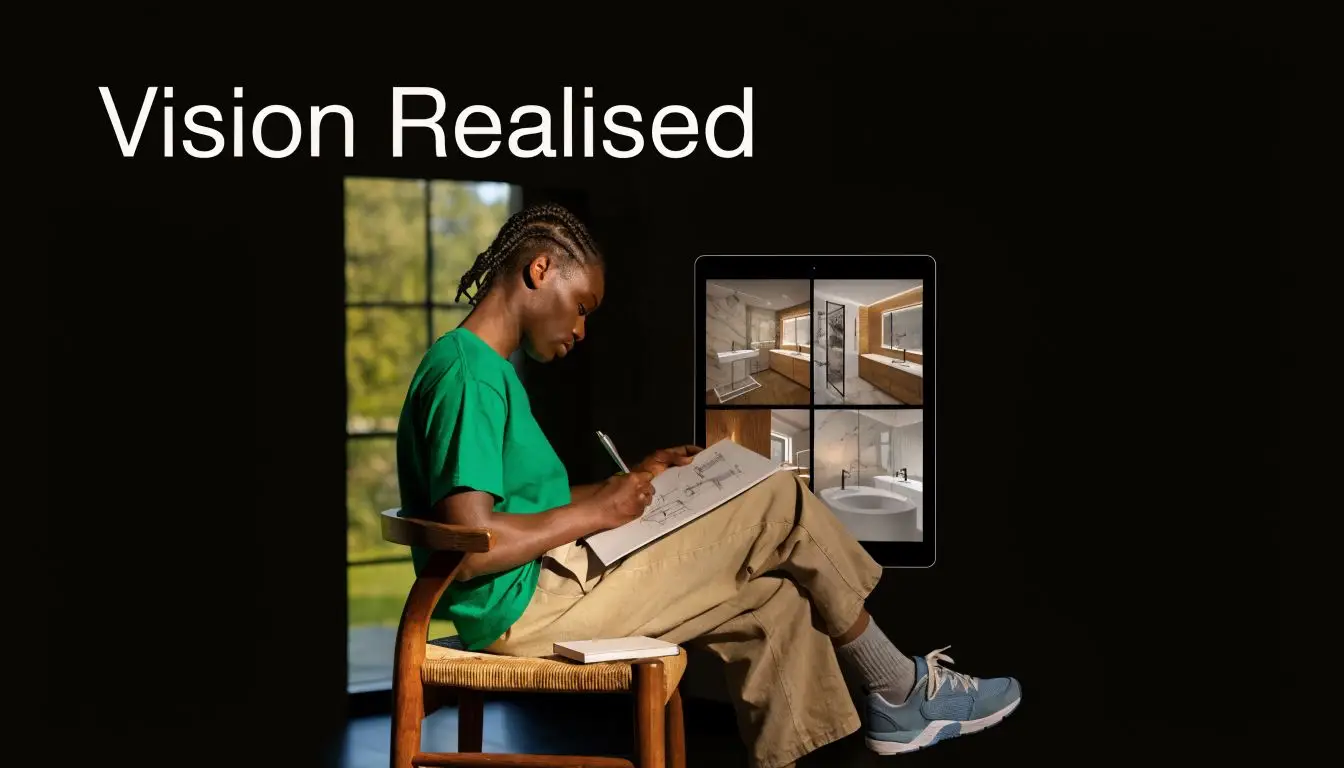
Why showroom visits often go wrong
Visitors often enter a display with the right intention and the wrong process. They react to styling instead of analysing the setup. They remember the feature wall but forget to check whether the vanity projection would crowd their doorway at home. They focus on a freestanding bath without asking whether the room can carry that layout comfortably.
A showroom is staged to sell a feeling. Your job is to extract useful information from that feeling.
Three things matter more than the wow factor:
- Layout clues that show how much room fixtures really need
- Material decisions that affect maintenance, durability, and cleaning
- Specification details that can feed into design drawings and quoting
Practical rule: If you can't take a display idea home as a measurable selection or a clear layout reference, it's only inspiration.
What a productive visit looks like
The best clients I see don't try to finalise everything in one afternoon. They use bathroom displays melbourne to narrow choices. They identify what style direction suits the home, what fixtures feel right in person, and what details need checking in a proper design stage.
That's the point where new bathroom ideas become usable. A floating vanity stops being a trend image and becomes a question of width, drawer access, cleaning space underneath, storage volume, and visual weight in the room. A niche stops being a Pinterest detail and becomes a waterproofing and tile setout decision.
If you approach showrooms this way, you'll leave with something more valuable than a stack of brochures. You'll leave with evidence. And evidence is what turns renovation ideas into a buildable plan.
How to Prepare Before You Visit Any Melbourne Showroom
Walking into a showroom without preparation usually leads to poor decisions. Everything looks good under display lighting. That doesn't mean it suits your bathroom, your budget, or the way your household uses the space.
Preparation at home saves time and sharpens your eye once you're standing in front of real products.
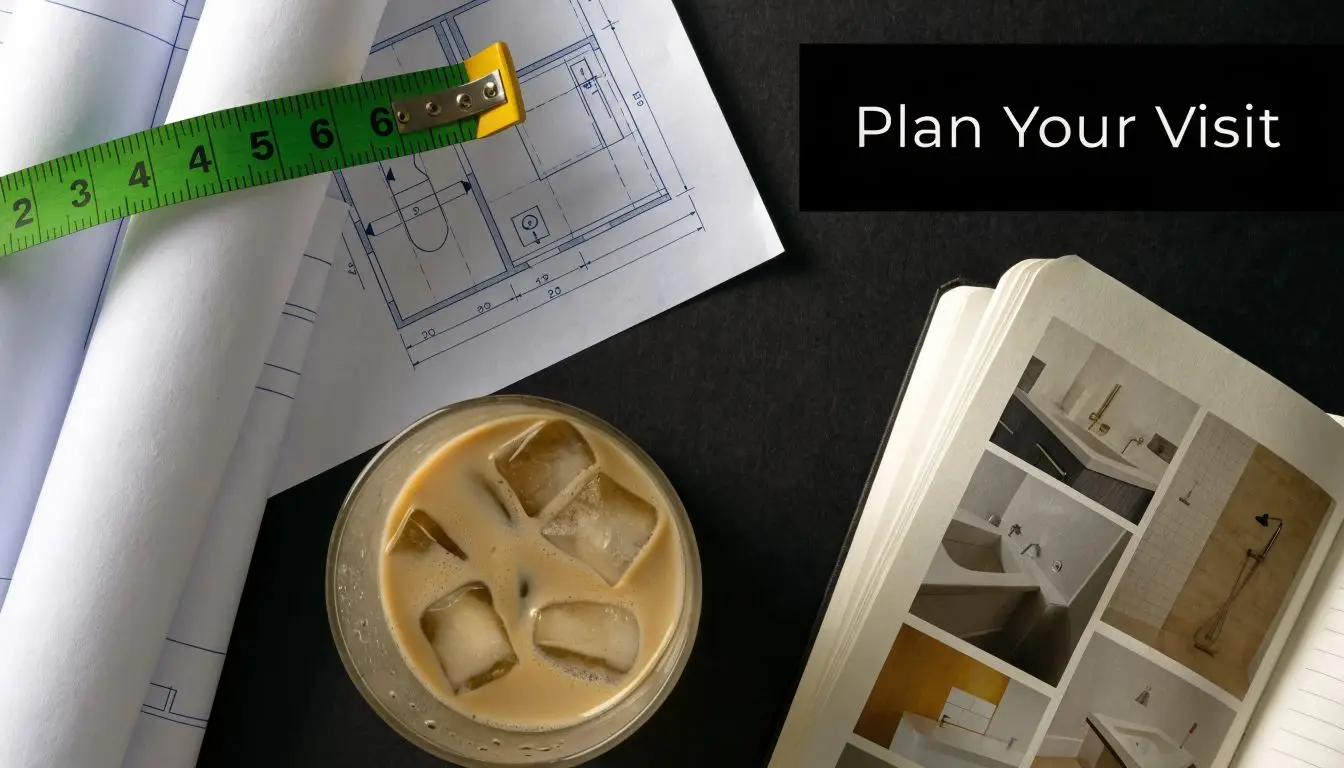
Bring the right information with you
You don't need architectural drawings to get value from a showroom. You do need a basic record of your existing room.
Take these with you:
- Room measurements including wall lengths, ceiling height, window position, and door swing
- Fixture locations such as toilet position, waste points, and current shower or bath location
- A short style folder with images you've saved for modern bathrooms, classic bathrooms, or more bespoke designer bathrooms
- A budget range for the full job, not just products
- A practical wish list covering storage, cleaning, lighting, ventilation, and who uses the bathroom daily
The room sketch can be rough. What matters is accuracy. A badly measured room sends you toward the wrong products very quickly.
Know your style, but don't overcommit
Mood boards help, but they can also trap people into copying a look that doesn't suit their actual home. A compact family bathroom won't always support the same selections that work in a large display suite.
Use your reference images to define direction, not dictate every choice. You might like warm timber, brushed finishes, wall-hung joinery, and large-format tiles. That's enough to guide a productive showroom visit.
If you're weighing tile options, this guide on how to choose bathroom tiles is worth reading before you go. It helps separate visual preference from practical performance.
Think beyond today's needs
One thing many homeowners miss is future use. That matters even more if you plan to stay in the property long term, live in a multigenerational home, or manage a property that needs broader usability.
A 2023 Master Builders Australia survey found that 68% of Victorian homeowners over 50 prioritise accessibility in renovations. The gap is that many local displays still don't show these features in a way that feels modern and well designed.
That means you often need to look for accessible planning cues yourself, including:
- Shower access with low-threshold or walk-in layouts
- Wall reinforcement potential for future grab rails
- Tapware operation that's easier to use than tight pin handles
- Clear movement space around the vanity and toilet
- Lighting and contrast that improve usability, not just appearance
A bathroom can be contemporary and still be easier to use. Good planning does both.
Set your showroom agenda
Before you leave home, write down the five decisions you most need help with. Not twenty. Five.
For example:
- Vanity type and width
- Shower screen style
- Tile finish for floor grip and wall maintenance
- Bath or no bath
- Storage layout
That list keeps you focused. It stops you getting distracted by display features that look impressive but have nothing to do with the problems your renovation must solve.
What to Inspect in Designer Bathroom Displays
A polished display can hide weak choices. Good styling often covers poor storage, awkward proportions, or products that feel less solid the moment you touch them.
When you inspect bathroom displays melbourne properly, you stop looking like a shopper and start thinking like someone who has to live with the result every day.
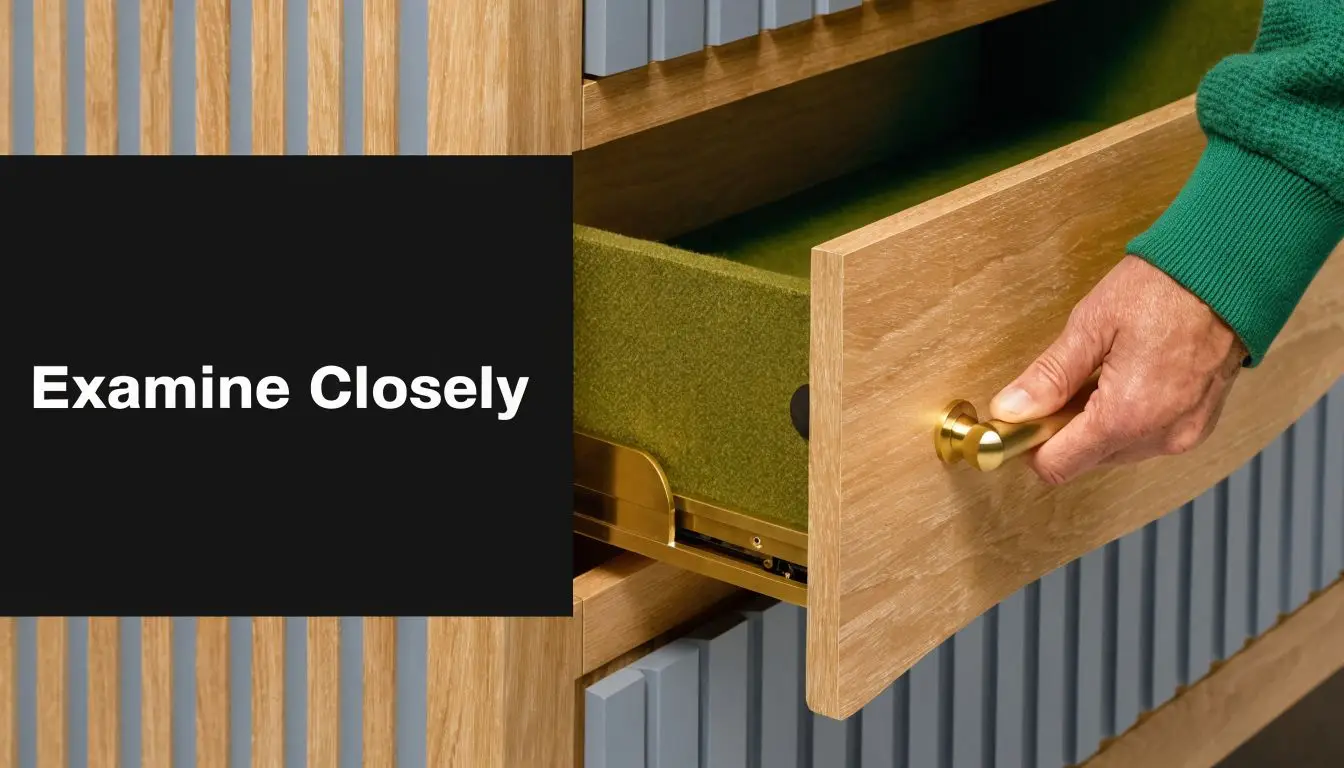
Start with the vanity
The vanity deserves more attention than it often gets. It's one of the hardest-working pieces in the room, and it shapes how the whole bathroom feels.
That trend makes sense, but it only works when the vanity performs as well as it presents.
Inspect these details closely:
- Drawer function. Open every drawer fully. Check glide quality, extension, soft-close action, and whether internal storage is useful.
- Material finish. Look at corners, edges, and undersides. These reveal quality more effectively than front faces do.
- Storage logic. A vanity can look sleek and still waste space. Dividers, charging points, and practical drawer depth matter.
- Cleaning practicality. Wall-hung units look lighter, but make sure the profile and finish won't become a dust trap.
If you're comparing heights and user comfort, this article on standard benchtop height helps frame what feels right in everyday use.
Test every touchpoint
You can learn a lot from thirty seconds of physical interaction. Don't just stand back and admire the room. Use it.
Touch the tapware. Pull the handles. Step into the shower area. Check whether the mirror placement feels natural. Look at the tile surface from different angles, especially under strong lighting.
A few practical checks matter more than display styling:
| Element | What to inspect |
|---|---|
| Vanity drawers | Smooth action, usable internal layout, quality of runners |
| Tapware | Solid feel, finish consistency, ease of grip |
| Tiles | Surface texture, slip feel underfoot, grout line effect |
| Shower screen | Hardware sturdiness, ease of cleaning, visual bulk |
| Basin and benchtop | Splashing behaviour, edge detailing, cleaning access |
Look past the styling tricks
Displays are often arranged to exaggerate space. Mirrors are oversized. Lighting is flattering. Towels and accessories soften hard lines. None of that is wrong, but it can blur your judgement.
Strip the display back mentally and ask:
- If the styling were removed, would the proportions still look right?
- Does the layout leave enough practical elbow room?
- Is the feature product strong enough to justify its visual dominance?
- Would this still feel balanced in a normal household bathroom?
The best display isn't the one that photographs well. It's the one that still makes sense after you remove the styling layer.
Judge the installation, not just the products
Even a quality product can look poor if it's installed badly. Showroom fit-off should be cleaner than residential work because the display doesn't have the same live-site constraints. If you notice rough silicone lines, awkward junctions, misaligned tile cuts, or inconsistent gaps in a display, pay attention.
That's useful information. It shows where a concept may be less refined in practice than it appears in marketing photos.
This is especially important with designer bathrooms, where tight detailing is part of the appeal. Fine lines, floating forms, recessed storage, and large-format materials all rely on precise execution. If the workmanship isn't there, the look falls apart quickly.
Key Questions to Ask Showroom Suppliers
A showroom visit gets more useful when you stop asking “How much is this?” and start asking “What do I need to know before this goes into a real renovation?”
Good questions expose hidden costs, lead times, installation requirements, maintenance issues, and whether a product suits your layout at all. They also help you compare suppliers on substance rather than sales language.
Essential Showroom Questions Checklist
| Category | Question to Ask |
|---|---|
| Product specs | What are the exact dimensions, including projection from wall and required clearances? |
| Materials | What is this made from, and which parts are most vulnerable to moisture or wear? |
| Finish | How should this finish be cleaned, and what tends to mark or stain it? |
| Joinery | Are the drawers soft-close, full-extension, and serviceable if hardware fails later? |
| Tapware | What pressure or plumbing conditions does this need to work properly? |
| Shower screens | What installation conditions are required for this screen to fit correctly? |
| Tiles | Is this tile better suited to floors or walls, and how does the surface feel when wet? |
| Lighting | What effect does this lighting produce in a smaller or darker bathroom? |
| Warranty | What does the warranty actually cover, and what falls outside it? |
| Availability | Is this stocked locally, made to order, or subject to long lead times? |
| Maintenance | Which parts usually need adjustment, resealing, or replacement over time? |
| Compliance | Are there any installation or compliance requirements a registered builder needs to allow for? |
What separates a useful answer from a sales answer
A useful answer is specific. It gives dimensions, conditions, limitations, and practical consequences.
A sales answer tends to stay broad. It sounds reassuring but doesn't tell you what your builder or designer needs to know.
Listen for details about:
- Installation conditions such as wall type, fixing requirements, and tolerance for uneven surfaces
- Ongoing maintenance including finish care, parts access, and common wear points
- Suitability for compact rooms, family bathrooms, or low-maintenance investor projects
Ask about coordination, not just supply
Bathroom renovations succeed when product selection and site execution are coordinated. That's why you should ask how information is provided for quoting and construction. Dimension sheets, finish schedules, and installation details matter far more than a glossy brochure.
It's also reasonable to ask whether they regularly work with qualified renovation teams and whether specifications are clear enough for registered builders unlimited style compliance expectations on larger or more complex work. You're not just buying a product. You're assessing whether the supply process supports a clean build.
“If a supplier can't explain how a product gets from display floor to compliant installation, keep asking questions.”
From Showroom Inspiration to a 3D Reality
After a few showroom visits, most homeowners have a phone full of photos and a head full of competing ideas. That's the moment where projects either become structured or start to drift.
What you need next isn't more browsing. You need translation. Every selection and layout reference from the showroom has to be tested against your room, your priorities, and the constraints of real construction.
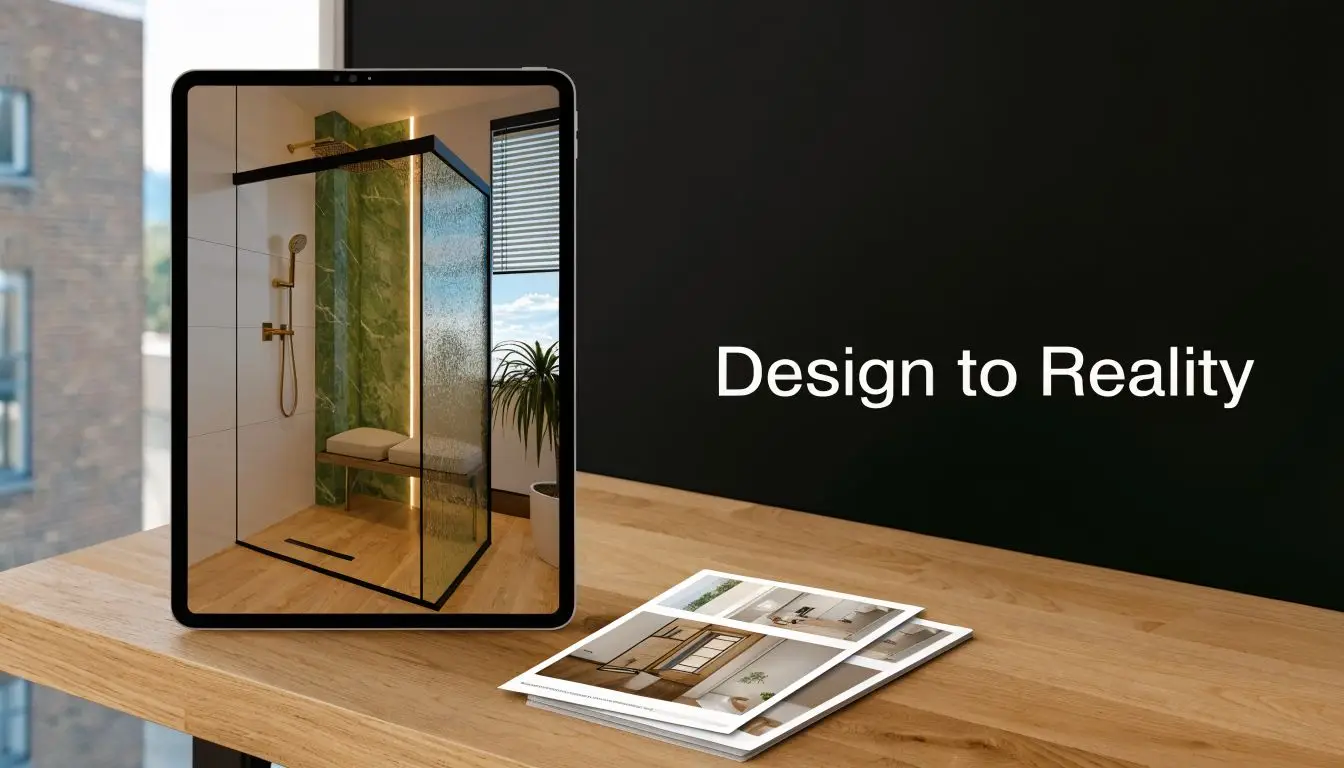
Why 3D design changes the quality of decisions
A proper 3D process earns its place. It takes the things you liked in a display and checks whether they work in your actual bathroom.
That includes the obvious decisions, such as whether a wall-hung vanity feels too dominant in a compact room, but it also catches less obvious conflicts. Door swing. Screen placement. Reach space. Storage access. Visual crowding. Junctions between fixtures and tile setout.
That lines up with what works in practice. Once clients can see the room properly, decisions sharpen. They stop choosing in isolation and start choosing in context.
What gets resolved before construction starts
A useful 3D design process doesn't just produce a pretty render. It resolves build questions early.
That usually includes:
- Layout testing so fixture positions work together, not just individually
- Selection validation to confirm chosen products suit the available space
- Proportion checks so feature items don't overpower the room
- Practical access review around drawers, screens, doors, and circulation
- Presentation clarity so everyone is working from the same plan
If you're planning a smaller adjoining bathroom, this guide on designing an ensuite is a helpful example of how compact spaces benefit from tighter planning discipline.
What clients often realise at this stage
The most common shift happens when someone sees their preferred display ideas modelled in their own room. A product that looked perfect in a large showroom might feel oversized at home. A darker finish might need more balance. A bath might consume too much functional space. Or the room might handle a stronger design move than they first expected.
That's a healthy outcome. It's far better to change your mind in a render than during demolition.
Good 3D planning doesn't lock clients in. It gives them enough clarity to make better changes before the build starts.
For modern bathrooms in particular, this stage matters because the cleaner the design language, the less room there is for unresolved layout problems. Minimal spaces only look effortless when the planning behind them is thorough.
Making Your Final Selections and Maximising Value
Final selections shouldn't be a rush to the cheapest acceptable option. They should be the point where style, durability, and property value line up.
That's especially true for investors, but owner-occupiers benefit from the same thinking. Low upfront spend can be expensive if products age badly, mark easily, or need replacement earlier than expected. Value sits in the full picture. Function, lifespan, maintenance, fit, and the contribution the bathroom makes to the home.
Think in terms of matched decisions
Selections work best when they support each other. A premium vanity paired with weak tapware, poor lighting, or impractical storage usually won't deliver the result clients expect. The room feels inconsistent because it is inconsistent.
The opposite also happens. Mid-range selections can perform very well when the layout is resolved, finishes are balanced, and specifications are matched properly.
For investor-focused work, there's useful benchmark guidance here. For Melbourne investors, a benchmark bathroom renovation cost of around $12,000 can target a 10-15% property revaluation. Using modular displays with vanities from 600-1200mm can help project a 20% equity gain while avoiding the 25% cost overruns common with specification mismatches.
Where value usually gets lost
In my experience, value usually slips away in three places:
- Overbuying features that don't suit the room or tenant profile
- Underspecifying daily-use items such as storage, hardware, and easy-clean surfaces
- Mismatched product choices that create extra site adjustments later
If a selection creates friction during installation, cleaning, or daily use, it's rarely good value even if the purchase price looked attractive.
For homeowners, the right final package is the one you won't regret after the novelty fades. For investors, it's the one that presents well, functions reliably, and supports the property as an asset rather than a maintenance problem.
Frequently Asked Questions About Visiting Bathroom Displays
Should I visit showrooms before getting a renovation quote
Yes, but don't treat the visit as the final decision stage. Use it to narrow style direction, inspect product quality, and identify a few realistic options. Quoting becomes far more accurate when your preferences are grounded in actual products rather than screenshots.
How many showrooms should I visit
Usually enough to compare, not enough to confuse yourself. Once you start seeing the same ideas repeated, stop collecting more inspiration and start refining your selections.
Is it a problem if I like parts of different displays
Not at all. Most strong bathrooms are built from a mix of references. What matters is how those ideas work together in one room, with one clear layout and one consistent level of finish.
What if the display bathroom is much larger than mine
That's common. Focus on proportions, storage ideas, materials, and fixture details rather than copying the full layout. Large displays often make products feel more flexible than they'll be in a compact room.
Should I bring photos and measurements
Yes. They make every showroom conversation more useful. Staff can respond more accurately, and your later design process will be clearer.
Are showroom displays a reliable guide to build quality
They're a starting point, not proof of how your project will turn out. Look closely at installation quality, ask practical questions, and make sure your final selections are tested through a proper design and quoting process.
If you're ready to turn bathroom displays melbourne into a buildable renovation plan, SitePro Bathrooms can help with concept development, detailed 3D design, construction, and finishing for bathroom renovations across Highett and greater Victoria.