

You probably know the feeling already. One person is at the cooktop, someone else opens the fridge behind them, a third drops school bags on the only clear bench, and the sink somehow ends up being both the prep zone and the clean-up zone. The kitchen isn’t small enough to excuse the chaos, but it still doesn’t work.
That’s usually the moment homeowners start looking at the l-shaped kitchen layout properly. Not because it’s fashionable, but because it solves a practical problem. It opens the room up, creates clearer movement paths, and gives you two connected runs of bench space without boxing the kitchen in.
In Victorian homes, that matters. Many layouts need to support family life, entertaining, working from home, and long-term liveability all at once. The best renovation outcomes come from treating the kitchen the same way we approach bathroom renovations. Start with movement, storage, lighting, safety, and how the room gets used every day. The finish selections come after that.
Why Your Current Kitchen Isn't Working
A lot of kitchens fail in predictable ways.
The fridge sits in the wrong place, so anyone grabbing milk cuts straight through the cooking zone. The sink and cooktop are too close, so prep becomes cramped. The corner cupboards turn into dead storage. You end up with plenty of cabinetry on paper and nowhere useful to put the things you reach for every day.
The daily friction points
Most homeowners don’t complain about the room in technical terms. They say things like:
- There’s nowhere to land groceries
- Two people can’t cook at once
- The benches are always cluttered
- The kitchen feels shut off from the rest of the house
- The space looks dated even after minor updates
Those complaints usually point to layout problems first, not just finish problems.
A kitchen can have nice joinery and still be frustrating to use. We see the same thing in bathrooms. A room can look modern, but if the vanity blocks movement or the shower entry is awkward, the renovation hasn’t done its job. Good planning fixes the room at the circulation level, not just the styling level.
A kitchen that slows down the household will still feel wrong, even with expensive finishes.
Why the L shape solves so many of these issues
The strength of an l-shape is simple. It uses two adjoining walls to create connected work zones while keeping the centre of the room open. That open zone can stay clear, take a small dining setting, or support an island or peninsula if the room allows it.
For Highett homeowners, this is often the most balanced answer. It suits older homes being reworked for open-plan living, compact townhouses where every square metre matters, and family homes that need better day-to-day flow without pushing into overbuilt territory.
It’s also one of the easiest layouts to coordinate with a full home update. If you’re planning a kitchen and bathroom project together, consistency in joinery lines, material tones, lighting, and accessibility decisions can make the whole renovation feel intentional instead of pieced together.
The L-Shaped Kitchen Explained
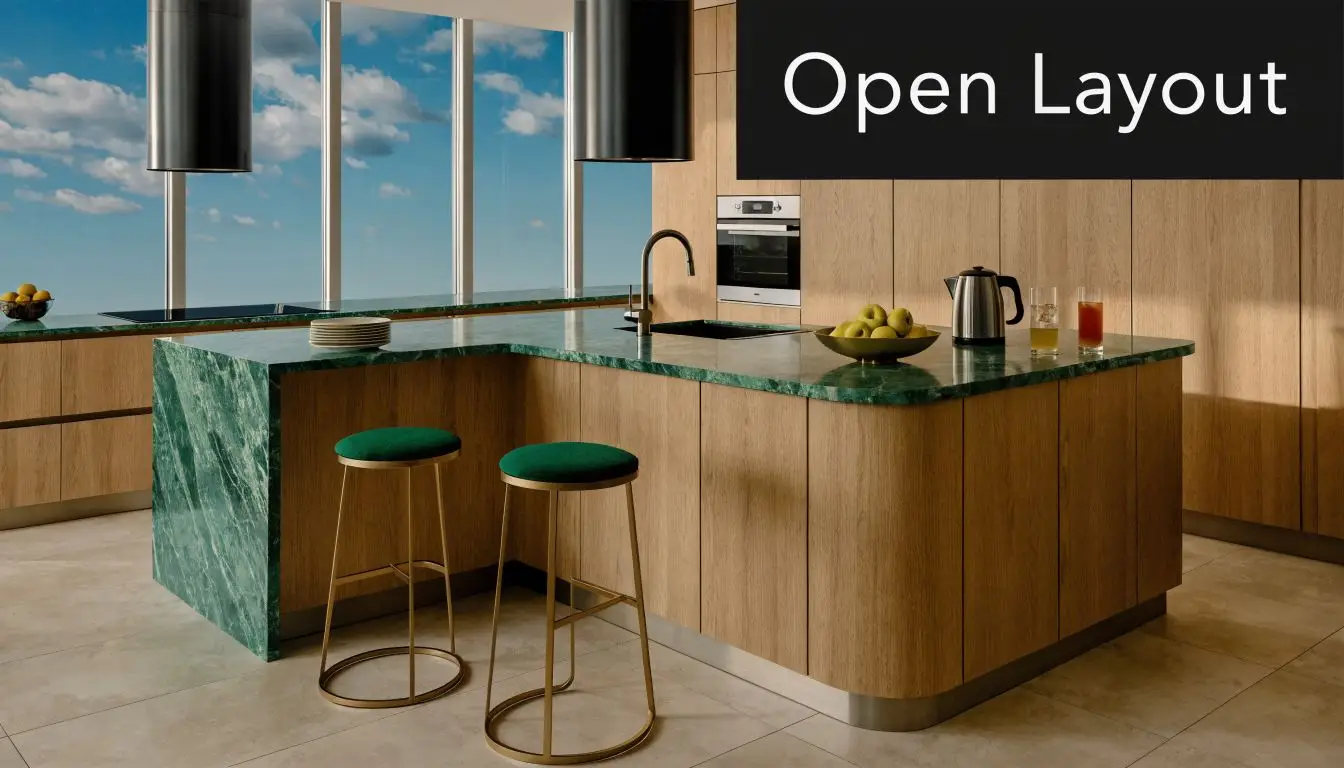
An l-shaped kitchen layout places cabinets, benchtops, and appliances along two adjoining walls, forming a right angle. That sounds basic, but it creates a layout that’s efficient without feeling crowded.
Why it has lasted
This layout isn’t a trend. It has been part of Australian residential design for decades. The Commonwealth Housing Commission’s 1944 report recommended the l-shaped kitchen for efficiency, and by 1950 over 60% of new suburban homes in Victoria used it as standard, reflecting a shift away from older galley styles for growing families, as noted in this post-war design history of l-shaped kitchens.
That long history matters because it shows the layout solves a real planning problem. It’s adaptable. It works in modest footprints. It supports family use better than many tighter, single-run arrangements.
How it works in real homes
Think of the layout as a working corner with breathing room. One leg usually handles a heavier utility role, such as fridge and pantry storage. The other leg usually carries a mix of prep and cooking functions. The open side keeps the room visually lighter and easier to move through.
In practical terms, an l-shape tends to work well when you want to:
- Open the kitchen to living areas without fully losing definition
- Keep traffic out of the cooking zone as much as possible
- Preserve bench space on two sides
- Create flexibility for future changes such as a peninsula, island, or improved accessibility
Where it works best
This layout is especially strong in homes that need to do several things at once. Family kitchens, investor updates, and homes being renovated for ageing in place all benefit from a plan that is easy to read and easy to move through.
It also gives you cleaner zoning than many people expect. The kitchen still feels connected to the living room or dining area, but the right-angle shape naturally creates a working corner. That’s useful in the same way a good bathroom layout separates wet and dry areas without making the room feel chopped up.
The best l-shaped kitchens don’t just look open. They direct movement so the room feels calmer during busy parts of the day.
Planning Your Dimensions and Work Triangle
An l-shape only performs well when the distances are right. If the room is too tight, it becomes awkward. If the main appliances are too far apart, the kitchen feels tiring to use.
The work triangle that actually works
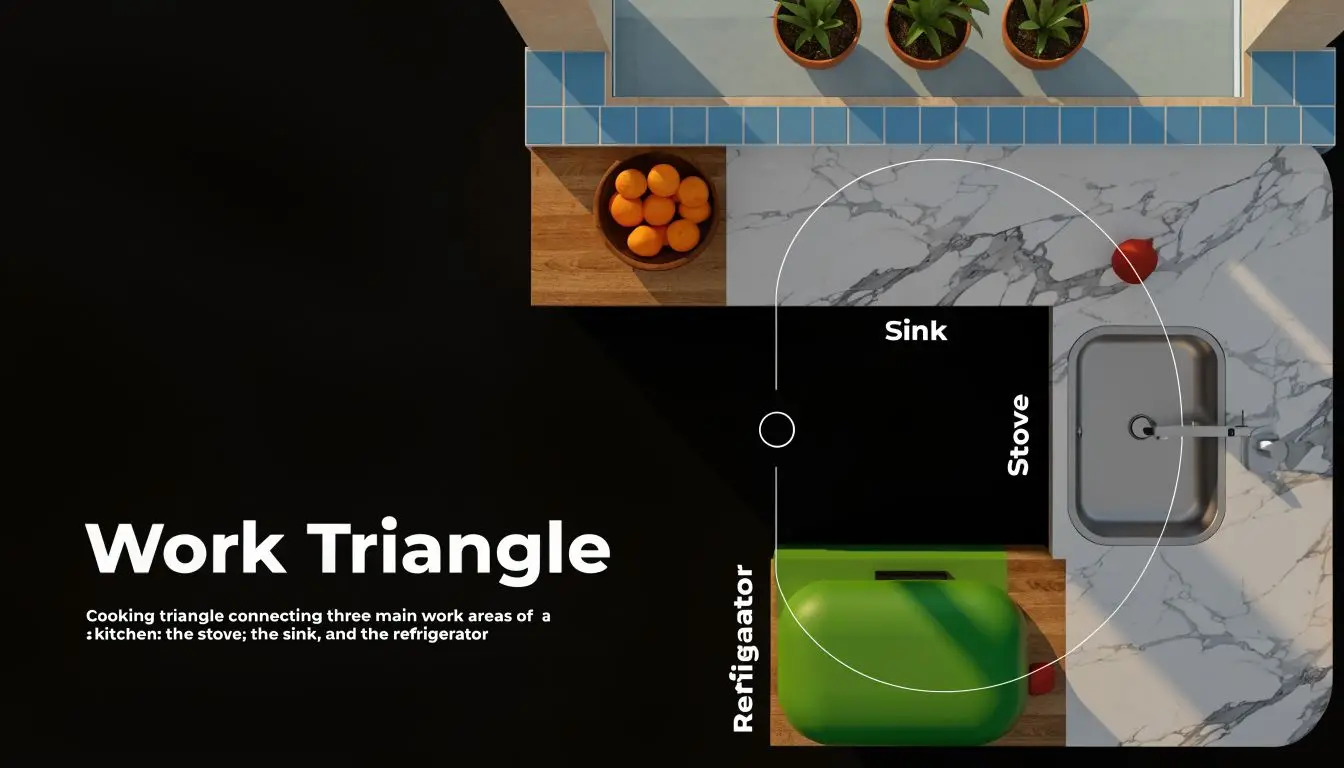
For family kitchens, the work triangle perimeter should sit between 4 and 8 metres, and ergonomic standards show that this can reduce cooking time by up to 20% in multi-user scenarios, with aisle clearances of at least 1.07 metres helping prevent bottlenecks, according to these l-shape kitchen dimensions and workflow guidelines.
That triangle links the three key points:
- Fridge
- Sink
- Cooktop or stove
The point isn’t to force a perfect triangle drawing on a floor plan. The point is to stop the room from making basic tasks harder than they need to be.
Practical spacing rules
In a workable l-shaped kitchen layout, these principles matter most:
- Keep the triangle compact, not cramped. Too short and users collide. Too long and every meal involves extra walking.
- Protect the aisle width. That 1.07 metre minimum is a real usability line, not a nice-to-have.
- Give each appliance breathing room. Fridges need door swing space. Sinks need landing space. Cooktops need safe separation from adjacent zones.
Homeowners often focus on cabinet sizes before they understand the body movement in the room. That’s backwards. In both kitchens and bathrooms, circulation comes first. Joinery is fitted around that, not the other way around.
For bench ergonomics, it also helps to understand how height affects comfort during prep and clean-up. A practical starting point is this guide to standard benchtop height for Australian renovations, especially if more than one household member uses the kitchen heavily.
Common planning mistakes
A room can meet the minimums and still feel wrong. These are the issues that cause most problems:
- The fridge is buried in the corner so the door blocks movement.
- The sink and cooktop are pushed together to save space, which makes prep and cleaning overlap.
- The aisle is technically passable but not comfortable, especially once handles, stools, or appliance doors are in use.
- The layout ignores through-traffic, so family members cut across the work zone on the way to another room.
Practical rule: If someone can unload shopping, rinse vegetables, and reach the cooktop without crossing another person’s path, the plan is usually on the right track.
Measuring the room properly
When reviewing your own space, don’t just measure wall lengths. Check:
- Window positions, because they affect sink placement and upper cabinetry
- Door swings and openings, especially in compact homes
- Bulkheads and service points, which can limit relocation options
- Natural walking paths, not just the paths shown on paper
A good plan looks efficient on the drawing and feels easy once people start using it. That’s the standard to aim for.
Optimising Cabinetry and Appliance Placement
The l-shape gives you a strong framework, but the success of the room comes from what happens inside that framework. Appliance placement, corner hardware, drawer selection, and cabinet sequencing all affect whether the kitchen feels effortless or annoying.
Put appliances where people use them
A practical arrangement usually works like this:
- Fridge near the end of the longer run so someone can access it without stepping through the main cooking zone
- Sink on a useful prep stretch, often where lighting is strongest
- Cooktop on the shorter leg or a dedicated run so heat stays away from the highest traffic point
That sequence separates food retrieval, preparation, and cooking in a way that reduces interference. It also makes the kitchen easier for more than one person to use at once.
The same thinking applies in bathroom renovations. Towel storage belongs near the shower. Vanity drawers should suit the morning routine. Good layouts place functions where they naturally belong.
The corner is where good plans separate from average ones
The main weakness of an l-shaped kitchen layout is the inside corner. If you leave it as a basic cupboard with a fixed shelf, it becomes wasted volume very quickly.
Australian standards require a minimum 60cm separation between sink and hob, and in the corner junction, magic corner or LeMans units can extend usable storage by 40% over fixed shelves, according to this guide to l-shaped kitchen corner optimisation.
That’s why corner planning shouldn’t be left to the cabinet order stage. It needs to be part of the layout decision from the start.
Kitchen Corner Storage Solutions
| Solution | Accessibility | Storage Capacity | Typical Cost |
|---|---|---|---|
| Fixed shelf corner cabinet | Low. Items at the back are hard to reach | Moderate, but inefficient in daily use | Lower |
| Lazy-style rotating system | Better than fixed shelving for general items | Moderate | Moderate |
| Magic corner pull-out | High. Good for heavier or awkward items | High | Higher |
| LeMans pull-out | High. Smooth access and strong usability | High | Higher |
| Corner drawers | Very good when the joinery allows for them | High | Higher |
The cheapest corner option often becomes the most frustrating one. That doesn’t mean every project needs premium hardware everywhere. It does mean the corner deserves budget priority if the kitchen is compact or heavily used.
For homeowners weighing finishes and carcass choices at the same time, this guide to kitchen cabinet materials for renovation projects is a useful companion to the storage conversation.
What works and what doesn’t
What works:
- Drawers for everyday cookware
- Pull-outs for corners and narrow gaps
- A clear landing space beside the sink
- Appliance locations that don’t force people to cross paths
What doesn’t work:
- Deep cupboards for frequently used items
- A corner with no retrieval system
- The cooktop jammed too close to the sink
- Tall units placed where they visually close the room off
If the layout is right but the cabinetry is wrong, the kitchen still underperforms. Joinery isn’t just storage. It’s how the layout becomes usable.
Adding an Island or Peninsula
Most homeowners like the idea of adding a central feature to an l-shaped kitchen layout. The question isn’t whether an island or peninsula looks good. The question is whether the room can carry it without losing the openness that made the l-shape appealing in the first place.
When an island makes sense
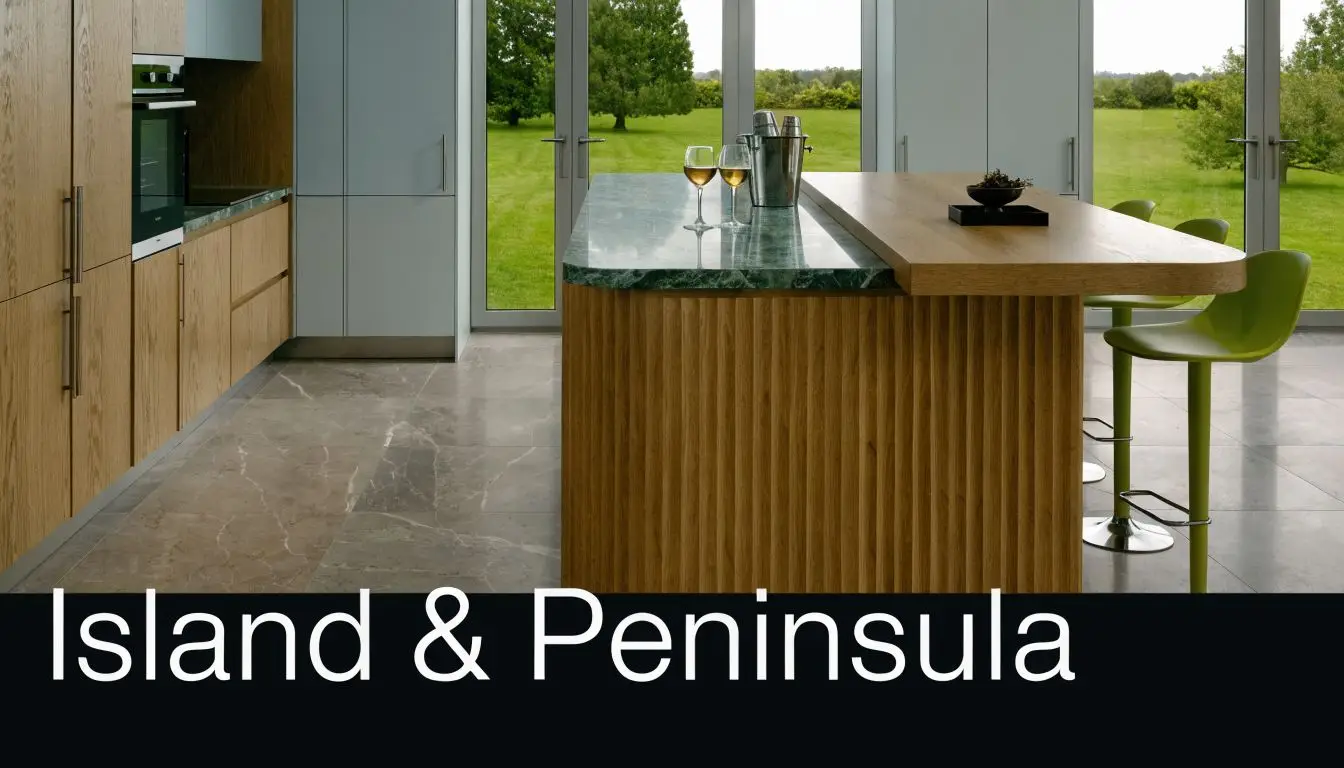
In Melbourne suburb renovations, l-shaped kitchens make up 62% of kitchen layouts, and data shows they can boost resale values by up to 15% compared to galley layouts, but an island is only feasible in kitchens over 12sqm if proper clearances are to be maintained, according to this review of l-shaped kitchen pros, cons, and resale impact.
That last point matters most. An island shouldn’t be forced in because the room seems almost large enough. “Almost” is where projects go wrong.
Island versus peninsula
Here’s the practical difference.
| Option | Best for | Main advantage | Main drawback |
|---|---|---|---|
| Island | Larger open-plan kitchens | Better circulation around all sides | Needs more floor area |
| Peninsula | Smaller or medium spaces | Adds bench space and casual seating with less floor demand | Can make the kitchen feel more enclosed |
A peninsula often suits Victorian homes better than people expect. It can define the kitchen from the living area, add storage, and create a breakfast bar without requiring the same open clearance as an island.
The decision test
Choose an island if:
- The kitchen is over 12sqm
- You want walk-around access
- You need extra prep space without attaching another run to the wall line
Choose a peninsula if:
- The room is tighter
- You want to zone the open-plan area
- You need seating or extra bench space but can’t sacrifice circulation
A central feature should improve movement, not interrupt it.
A lot of homeowners also overestimate how much seating they need. In practice, a short breakfast ledge or compact peninsula often gets used more consistently than a large island with too many stools. The right choice depends less on trends and more on how your household uses the room.
Designing for Family Life and Accessibility
A kitchen layout can be technically correct and still fail the household. Family use, ageing in place, storage reach, lighting, and finish choices all affect whether the room stays useful over time.
Family use changes the brief
In a busy home, the kitchen usually serves several roles at once. It’s a cooking space, a drop zone, a homework spot, and a social room. That means the layout needs more than a neat appliance triangle. It needs durable surfaces, sensible lighting, and storage that doesn’t make daily tasks harder.
A few practical choices improve family use straight away:
- Task lighting over benches so prep work is clear and safe
- Drawers instead of low shelves for easier access
- A dedicated landing zone for bags, lunchboxes, or groceries
- Finishes that clean easily and don’t show every mark immediately
These are the same decisions that separate ordinary bathroom updates from successful modern bathrooms. A designer bathroom isn’t just attractive. It works cleanly for the people using it morning and night. Kitchens need the same mindset.
Accessibility needs to be planned early
One of the biggest gaps in generic kitchen advice is accessibility. In Victoria, that matters more every year. A strong l-shaped kitchen layout can still create tight turning points or awkward reaches if it isn’t planned carefully.
A key gap in current advice is adapting l-shaped kitchens for accessibility. With Victoria’s ageing population, demand is rising, yet few guides cover National Construction Code requirements such as 1200mm circulation spaces or AS 1428.1 reach ranges, which are essential for a safe, liveable home, as outlined in this accessibility-focused discussion of l-shaped kitchen planning.
That means homeowners should consider:
- Wider circulation paths
- Easier-to-grip handles
- Drawers and pull-outs instead of deep cupboards
- Appliance heights that reduce bending
- Bench segments that allow seated use where needed
Why qualified builders matter
Accessibility and compliance aren’t styling extras. They affect approvals, safety, and long-term usability. That’s why it’s worth engaging registered builders unlimited where the project scope requires it, especially when structural changes, service relocations, or broader kitchen and bathroom renovations are involved.
Good renovation planning also keeps your design language consistent across spaces. If you’re exploring new bathroom ideas, designer bathrooms, and a kitchen at the same time, materials, joinery profiles, lighting temperatures, hardware, and circulation principles should all speak the same language.
The most future-proof kitchens aren’t over-designed. They’re easier to move through, easier to reach into, and easier to live with.
Examples Costs and Getting Started with Your Renovation
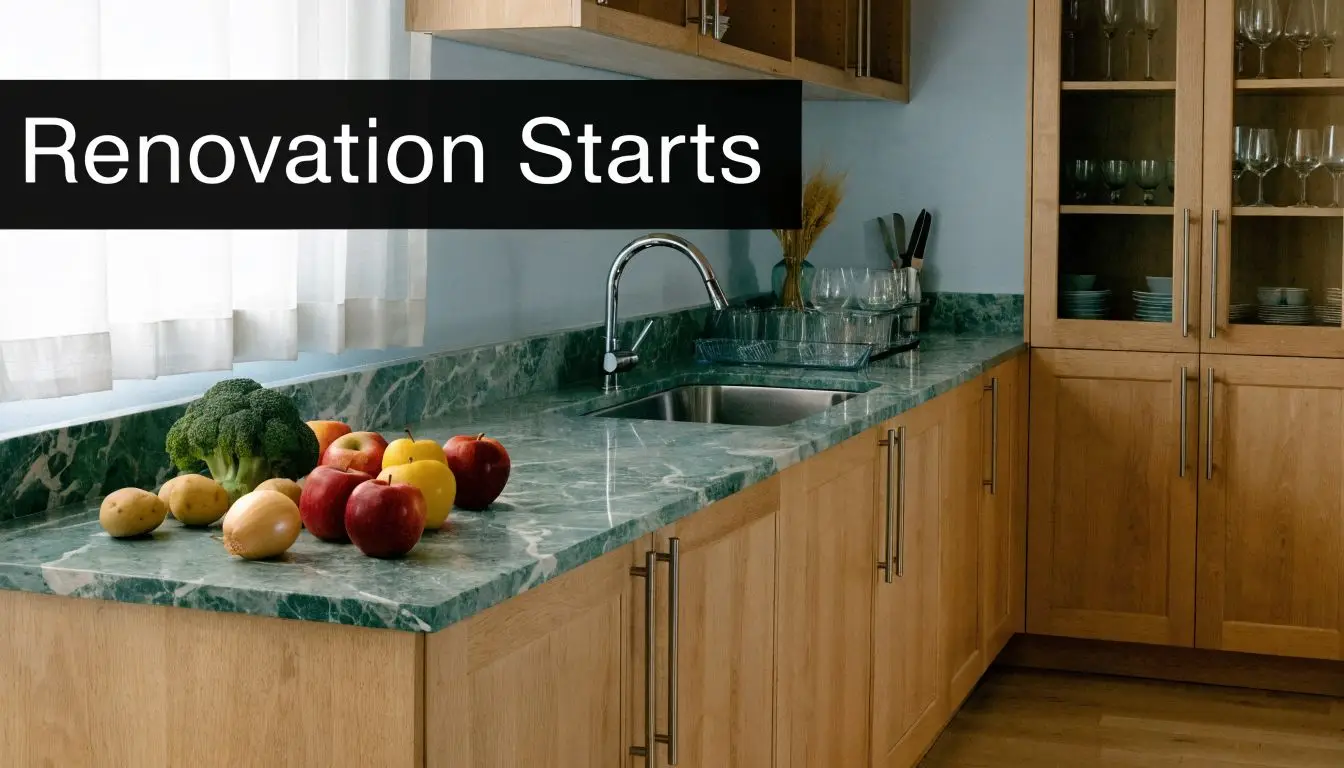
Costs depend on scope, finishes, structural changes, service relocations, and appliance choices. It’s better to think in project types than generic one-price-fits-all figures.
Example renovation scenarios
Compact Highett unit
An older unit often suits a clean l-shape with improved corner storage, better lighting, integrated laundry coordination, and a simple material palette. The focus is usually on gaining bench space and making the room feel larger without changing the footprint.
Family home with open-plan living
This type of project often involves removing visual barriers, improving the appliance sequence, and adding a peninsula or island if the room supports it. Storage becomes more detailed because the kitchen has to handle school routines, entertaining, and bulk grocery use.
Accessibility-focused update
In this version, the l-shape remains, but the detailing changes. Drawer systems replace hard-to-reach cupboards, circulation is opened up, and appliance and bench heights are reviewed carefully. Often, these projects are paired with modern bathrooms designed for long-term liveability.
What affects cost and timing
The biggest cost drivers usually include:
- Structural work such as wall changes or bulkhead alterations
- Plumbing and electrical relocation
- Cabinetry complexity, especially corner hardware and custom storage
- Stone selection and edge detailing
- Appliance upgrades
- Whether the kitchen is part of a larger renovation, such as bathrooms, laundry, or full interior updates
Timelines also shift depending on whether materials are standard or custom, whether approvals are needed, and whether the home is occupied during the works. The most accurate starting point is a measured design and scope, not a rough verbal allowance.
If you’re trying to set expectations before starting, this breakdown of the cost of a new kitchen in Australia is a practical place to begin.
How to start well
The best first step isn’t choosing colours. It’s defining the problems the new kitchen must solve.
Write down:
- What frustrates you most in the current room
- How many people use the kitchen at once
- What must be stored near the main work area
- Whether long-term accessibility matters
- Whether the kitchen needs to align with bathroom renovations or a broader home update
That list gives the project direction.
If you’re planning a kitchen update in Highett or greater Victoria, SitePro Bathrooms can help with the full process, from concept planning and 3D design through to construction and finishing. That includes kitchens, bathroom renovations, modern bathrooms, and complete renovation packages designed to work as one coordinated project. If you want a practical l-shaped kitchen layout that looks sharp, functions properly, and fits the way your household lives, book a consultation and start with a measured plan.