Bathroom Renovation Cost Melbourne: 2026 Price Guide
A standard full bathroom renovation in Melbourne typically lands between $20,000 and $40,000. Cosmetic updates can come in under $20,000, while premium projects regularly push past $40,000 once layout changes, higher-end finishes, and custom work enter the scope.
That's usually the point where homeowners get stuck. The ideas are clear enough. You want a bathroom that feels cleaner, works better, and doesn't date the property. What's harder is working out why one quote sits near the lower end and another climbs fast. In Melbourne, the gap usually comes down to scope control, material choices, and whether you're renovating for daily living, rental return, or long-term resale.
The most useful way to look at bathroom renovation cost Melbourne isn't just by broad price bands. It's by the decisions that push a project from budget to standard to premium. That's where value engineering matters. If you know which choices preserve function and appearance without adding unnecessary build complexity, you can get a far better result for the money.
What Is the Real Cost of a Melbourne Bathroom Renovation
A Melbourne bathroom renovation usually starts the same way. The room looks dated, storage does not work, the shower has seen better days, and the first quote feels manageable until the second and third arrive much higher. The gap is rarely random. It usually comes back to scope, product selections, site conditions, and how much of the existing bathroom can stay.
Bathrooms are small rooms with expensive trade density. Waterproofing, plumbing, electrical, tiling, glazing, joinery, demolition, waste removal, and fit-off all sit in a tight footprint, and each decision affects labour as much as materials. In Melbourne, access can add another layer. A ground-floor home in the suburbs is simpler to price than an apartment in Southbank with lift bookings, restricted delivery windows, and strata rules.
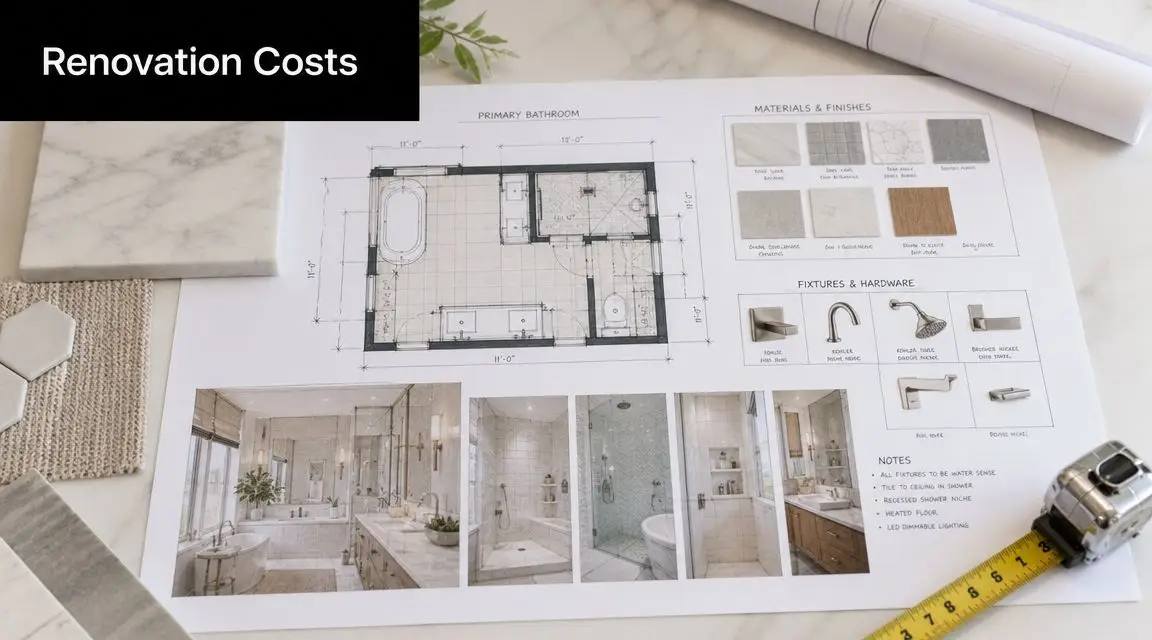
For an early budget check, a bathroom renovation cost calculator for Melbourne projects helps narrow the likely range before you start comparing builder quotes.
The number clients ask for first
Clients usually want one figure. The more useful answer is a cost range tied to the decisions that change the build.
A bathroom that keeps the existing layout, uses standard-size fixtures, and avoids structural or service changes will usually stay in a more controlled price bracket. A bathroom that moves the shower, relocates the toilet, increases tile coverage to full height, or brings in custom joinery and premium fittings can shift upward fast. On paper, both are called a bathroom renovation. On site, they are very different jobs.
The practical Melbourne view
Cost planning works better when you look at value engineering, not just headline numbers. The question is not only what the renovation costs. The question is which choices improve function, presentation, and resale without adding build complexity that the property will never pay back.
For example, replacing a 1500mm custom vanity with a standard modular vanity often saves both joinery cost and installation time. Keeping floor waste and plumbing points where they are can avoid a chain of extra work under the floor and behind the walls. Using a reliable porcelain tile in a common size can cut labour compared with a handmade feature tile that needs slower setting-out and more wastage.
One choice can move the whole budget.
That is why two bathrooms of the same size can land at very different prices. One is a disciplined upgrade aimed at long-term use or rental return. The other is a full redesign with more labour, more risk, and more finish detail.
Understanding Average Costs for Different Bathroom Types
A Fitzroy investor and a family in Glen Waverley can both ask for “a new bathroom” and get quotes that are nowhere near each other. The reason is not just room size. It is the level of rebuild, the finish standard, and how many decisions add labour behind the walls as well as in front of them.
For cost planning, I break bathroom projects into three practical types. That makes it easier to value-engineer the job before selections start pushing the budget into the wrong tier.
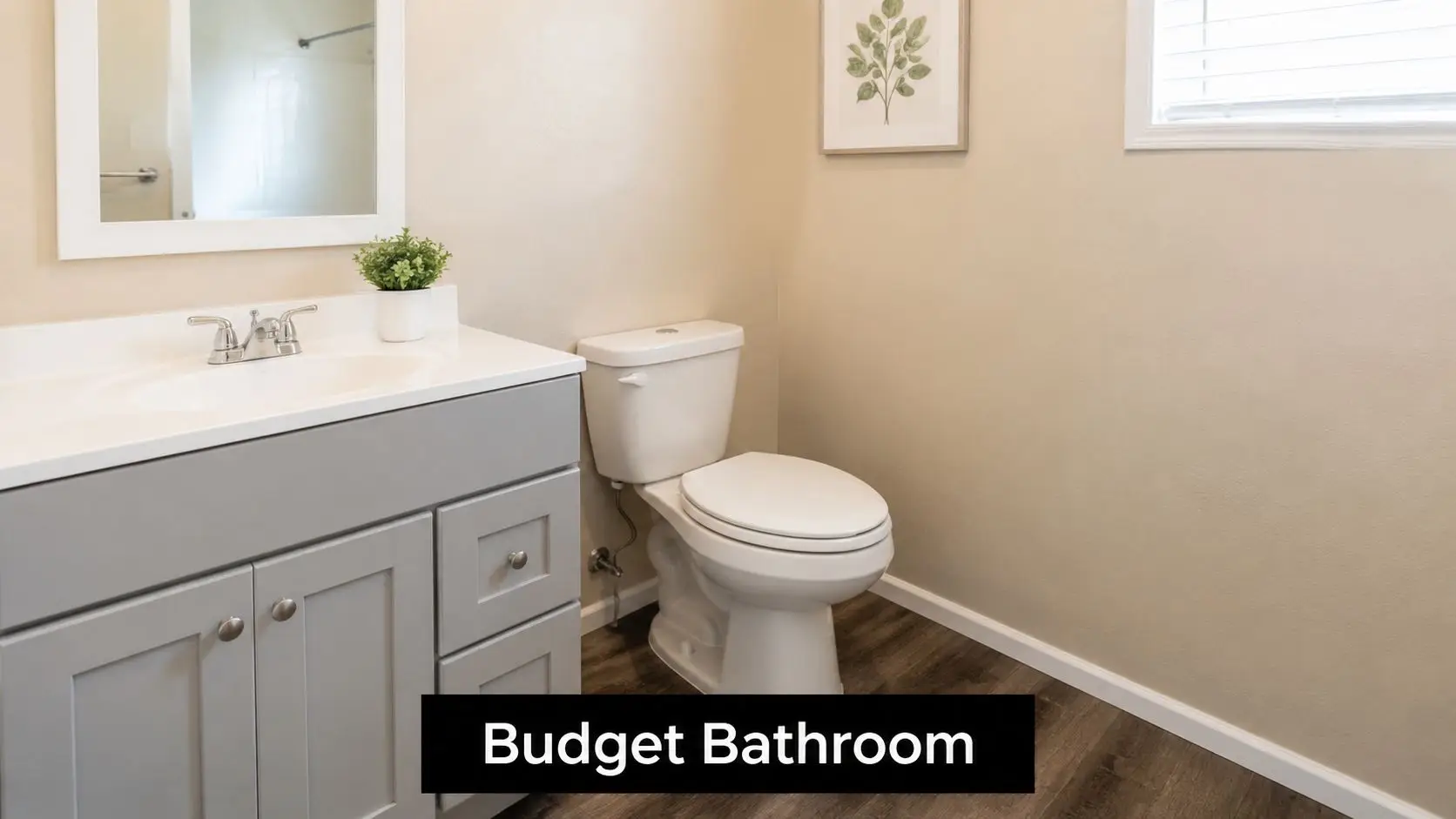
Budget and cosmetic refresh
This tier suits bathrooms that still work but look tired, dated, or hard to lease. It is common in rental properties, first-home updates, and homes being prepared for sale where the goal is presentation and reliability rather than a full redesign.
Typical work at this level includes:
- Keeping the existing layout so plumbing and drainage stay in place
- Using standard-size fixtures such as modular vanities and stocked shower screens
- Reducing finish complexity with simpler tile patterns, less custom joinery, and fewer special-order items
- Targeting visible improvements like new tapware, vanity, shower screen, mirror, lighting, and repainting where full retiling is not justified
In small rooms, the smartest choice is not always a full strip-out. This small bathroom remodel cost guide is useful when you are weighing up whether a compact bathroom needs a complete renovation or a tighter, high-impact refresh.
A cosmetic bathroom can still add value if the scope is disciplined. The mistake is spending on premium fittings while leaving the room functionally unchanged.
Standard full renovation
This is the tier that suits most owner-occupiers who want the bathroom rebuilt properly and expect it to last. The room is stripped back, waterproofed, retiled, and fitted out with new fixtures and finishes that feel current without pushing into custom-builder territory.
A standard renovation usually keeps the project efficient in a few key ways. Layout changes are limited or avoided. Fixtures are good quality but still commercially available. Tile selection stays practical enough that labour does not blow out on cutting, set-out, or slow installation.
This level often gives the best value per dollar in Melbourne. It improves daily use, presents well at resale, and avoids many of the cost jumps that come with chasing a magazine-style finish in a mid-range property.
Premium designer overhaul
Premium bathrooms cost more because the build is more demanding, not because the tapware is expensive. Once a project includes structural changes, custom joinery, full-height feature tiling, frameless glazing, recessed niches, underfloor heating, stone surfaces, or detailed lighting plans, trade coordination gets tighter and labour increases.
These projects often include:
- Layout reworking to improve movement, storage, or access
- Higher-spec finishes that require more careful installation
- Custom-built elements such as bespoke vanities, shaving cabinets, or feature walls
- Extra service work for lighting, heating, ventilation, or relocated plumbing points
This is also where overcapitalising becomes a real risk. A premium bathroom can make sense in a long-term family home or a higher-value suburb. In an investment property or a modest resale market, the better decision is often to hold the layout, simplify the palette, and spend on durability where tenants and buyers will notice it.
As noted earlier, national pricing is often grouped into budget, standard, and premium bands. In Melbourne, those labels only become useful once the scope is honest. A “standard” bathroom with moved plumbing, custom joinery, and full-height feature tiles is no longer standard in build cost.
Where Your Money Goes An Itemised Cost Breakdown
Quotes feel vague when they arrive as one lump sum. They make more sense when you separate the room into trades, materials, and complexity. Bathrooms are expensive because several specialists work in a small footprint, and each stage depends on the last one being done correctly.
The cost drivers that shape most quotes
In Melbourne, builder quotes for bathroom renovations commonly sit around $2,300 to $4,600 per square metre, with waterproofing for an average bathroom often estimated at $500 to $750. Tile pricing also varies sharply, with wall tiles around $20 to $159 per square metre and floor tiles around $35 to $130 per square metre, based on Hipages bathroom renovation cost guidance.
That per-square-metre range matters because small bathrooms aren't automatically cheap. Compact rooms often require just as many trades and fixtures as a larger room, while difficult access, tight working conditions, and detailed tile layouts can still push labour up.
Sample Bathroom Renovation Cost Breakdown Melbourne
| Item / Trade | Typical Cost Range / % of Budget |
|---|---|
| Demolition and strip-out | Varies by site condition, access, and disposal needs |
| Plumbing | Higher when fixtures move, lower when layout stays the same |
| Electrical | Depends on lighting plan, extraction, and power point changes |
| Waterproofing | $500 to $750 for an average bathroom |
| Wall tiling | $20 to $159 per square metre for tiles, plus labour |
| Floor tiling | $35 to $130 per square metre for tiles, plus labour |
| Fixtures and fittings | Broadly variable depending on specification |
| Vanity and cabinetry | Standard units cost less than custom joinery |
| Shower screen and glazing | Increases with custom sizes and detailed fitting |
| Builder coordination and project management | Reflects scope, sequencing, and trade management |
| Overall renovation pricing | Commonly $2,300 to $4,600 per square metre |
The table above doesn't pretend every line can be fixed before inspection. It shows which parts are usually stable and which parts move depending on design choices.
Where projects usually drift upward
The biggest jumps tend to come from a handful of decisions:
- Layout changes: Moving wastes and water points usually creates extra labour across multiple trades.
- Heavy tile specification: Larger coverage, feature walls, difficult patterns, and premium materials all raise labour and material costs.
- Custom vanity work: Off-the-shelf pieces are usually simpler to install than made-to-measure cabinetry.
- Access problems: Apartments, narrow stair access, restricted parking, and body corporate rules can all slow the build.
- Late selection changes: Swapping products after waterproofing, tiling, or joinery production has started can be expensive.
A bathroom quote is rarely just about products. It's mostly about how many decisions make the build harder.
This is also where working with a registered builder unlimited can matter in practical terms. When one licensed party coordinates demolition, waterproofing, plumbing, tiling, electrical, and finishing, there's usually better control over sequencing, responsibility, and compliance. That doesn't make every project cheaper. It often makes costs clearer and mistakes less likely.
Key Factors That Increase or Decrease Renovation Costs
Some bathrooms get expensive because the owner chooses expensive finishes. Others get expensive because the build itself becomes harder. Those aren't the same thing, and it helps to separate them before you lock in drawings or selections.
Layout decisions
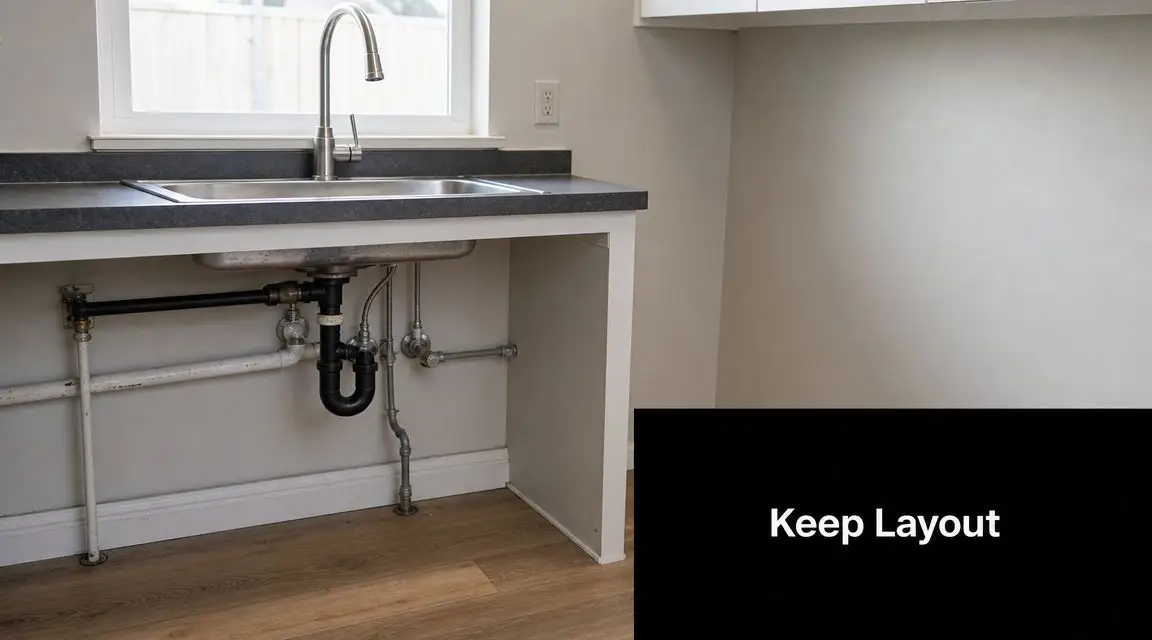
Keeping the existing layout is usually the strongest cost-control move available. The room may still be fully renovated, but the build stays more predictable when waste points, water lines, and major fixture positions remain where they are.
Moving the toilet, shifting the shower, or reworking the bath location usually triggers added plumbing work and often affects tiling, waterproofing, and floor preparation as well.
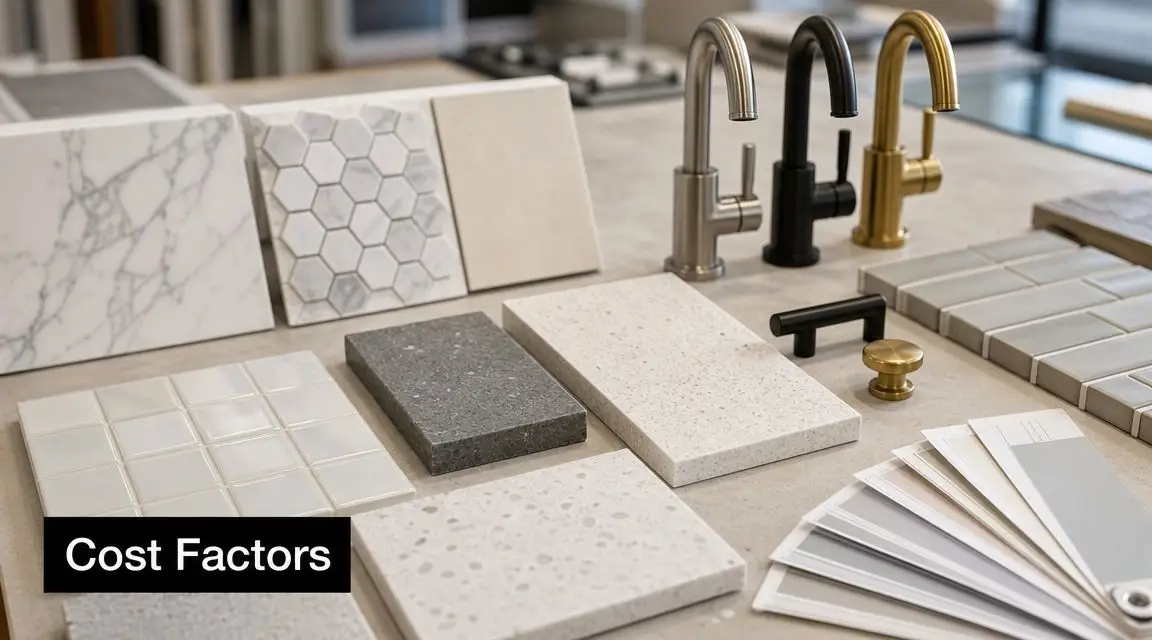
Material and finish choices
Not all finish upgrades cost the same. Some give a better visual lift than others without changing the build method much.
Consider the trade-offs:
- Tile selection: A simpler tile in a clean format can still look high-end if the room is well detailed.
- Joinery: Custom cabinetry gives flexibility, but standard sizes often work well in practical family bathrooms.
- Tapware and fixtures: You don't need the most expensive option to get a sharp, modern result. Consistency often matters more than chasing statement pieces.
Design complexity
New bathroom ideas often look straightforward on a mood board but become expensive in construction. Recessed niches, frameless glass in awkward dimensions, full-height tiling everywhere, curved features, and mixed finishes all add labour pressure.
That doesn't mean they're wrong. It means they need to earn their place in the budget.
If a feature adds cost but doesn't improve use, maintenance, or resale appeal, it's usually the first place to review.
Building context
A freestanding house and an apartment can have very different renovation conditions. Apartments often bring stricter access windows, material transport issues, acoustic concerns, and body corporate rules. Older homes can reveal substrate problems, water damage, or non-compliant past work once demolition begins.
Permit and compliance issues
Straight replacement work is usually simpler than a renovation involving structural changes or broader building alterations. Once walls move or construction extends beyond a standard bathroom replacement, approvals and documentation can become part of the job.
That's one reason early planning matters. It's cheaper to identify approval risks before selections are finalised than after products are ordered.
Smart Cost-Saving Tips Without Compromising on Quality
A common Melbourne scenario looks like this. The room is tired, the budget is finite, and the first quote feels higher than expected. The answer is usually not to cheapen the whole job. It is to choose where the money earns its keep.
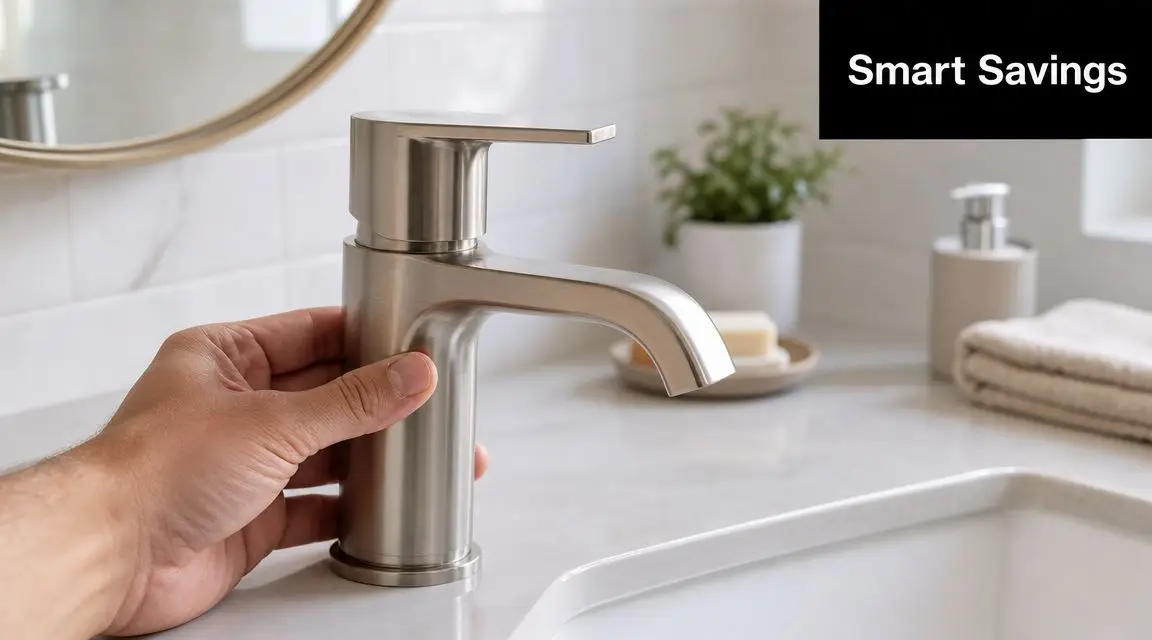
Value engineering works best when it follows a clear order. Keep compliance and waterproof integrity protected. Keep the layout if it already works. Spend selectively on the items people touch, clean, and look at every day. That is how a bathroom stays in the right tier without drifting into unnecessary cost.
The biggest savings usually come from reducing change, not reducing quality. Moving wastes, chasing new pipe runs through a slab, resizing glazing, or ordering custom joinery can push a standard bathroom into a much more expensive bracket. By contrast, a well-planned like-for-like renovation often delivers a stronger result per dollar because the budget goes into better finishes and cleaner installation.
Cost-saving decisions that usually hold up
These are the choices that tend to improve value without creating problems later:
- Keep plumbing points where they are if the current layout functions well.
- Choose standard fixture sizes for vanities, screens, mirrors, and toilets to avoid custom labour.
- Use feature finishes sparingly so one or two better selections carry the room.
- Tile strategically by using full-height tiling only where it adds a practical or visual benefit.
- Prioritise easy-clean products in family bathrooms, rentals, and ensuite upgrades.
- Buy complete fixture ranges so finishes match properly across tapware, wastes, hooks, and shower fittings.
I often see owners save money successfully by pairing a simple tile with one stronger vanity or tapware selection, rather than trying to make every surface a feature. That approach usually looks more resolved, and it is easier to keep on budget.
False savings that become expensive later
The trouble spots are predictable:
- Cutting waterproofing or substrate preparation. Repairs after failure are far more expensive than doing it properly the first time.
- Mixing products from different ranges without checking finishes in person. "Brushed nickel" is not consistent across suppliers.
- Over-designing a small bathroom. Niches, trims, feature tiles, shaving cabinets, wall-hung fixtures, and custom glass all in one room add cost fast.
- Ordering purely on sale price. Long lead times, missing components, or poor after-sales support can stall the job.
Contingency also matters. Bathrooms in older Melbourne homes regularly hide water damage, out-of-level floors, or previous non-compliant work. If there is no allowance for that, a sensible renovation can feel like a blowout the moment demolition starts. A clearer view of sequencing helps owners understand where variations tend to arise, especially once walls and floors are opened up. This guide on how long a bathroom remodel should take explains the stages well.
Spend in order. Waterproofing and preparation first. Durable fixtures and finishes next. Visual extras last.
For investors and landlords, that usually means avoiding premium details that do not change rent, resale, or maintenance. For owner-occupiers, it often means putting the better spend into daily-use items such as the vanity, shower, lighting, and storage, while keeping the construction straightforward. That is the difference between a bathroom that looks expensive and a bathroom that delivers value.
Project Timeline Permits and Choosing the Right Builder
A Melbourne bathroom renovation usually goes off track before demolition starts. The common causes are late product selections, unclear scope, apartment access restrictions, and approval questions that were left until the trades were booked.
In practice, the build itself is only one part of the programme. Planning, quoting, ordering, and confirming site conditions often take longer than owners expect. Older homes in suburbs such as Brunswick, Preston, or Camberwell can also add time once demolition exposes floor levelling issues, water damage, or previous work that does not meet current standards.
A typical bathroom job moves through four stages:
- Pre-construction planning: Site measure, layout confirmation, fixture and finish selections, and final scope approval.
- Procurement and scheduling: Ordering materials, locking in trades, and confirming delivery dates before the room is stripped out.
- Construction: Demolition, rough-in, substrate preparation, waterproofing, tiling, fit-off, glazing, painting, and final silicone.
- Handover: Defect check, cleaning, compliance documents, and practical completion.
For a clearer breakdown of the sequence, this guide on how long a bathroom remodel should take shows where time is usually spent and where delays tend to happen.
Permits are not the same on every project. If you are replacing fixtures within the existing footprint, the path is usually simpler. If the work affects structure, changes openings, relocates major services, or sits inside an apartment with owners corporation rules, the approval process can become part of the critical path. That needs to be checked before products are ordered.
This is also where value engineering matters. Keeping the layout largely where it is does not just reduce plumbing cost. It can shorten decision-making, reduce approval risk, and make scheduling easier because fewer variables are introduced. On investor jobs, that often delivers better value than spending the same money on custom details that add complexity without improving rent or resale.
Choosing the builder has a direct effect on cost control. A good quote is not just a price. It should spell out what is included, what is excluded, who is supplying fixtures, how variations are handled, and what happens if concealed issues are found after demolition.
Ask direct questions:
- Are licence and insurance current?
- Do they handle bathroom renovations regularly, or only general building work?
- Is waterproofing and compliance documentation included?
- Are allowances realistic, or are provisional sums being used to make the quote look cheaper?
- Who manages the schedule and client communication once work starts?
The cheapest quote often becomes the expensive one if key items were omitted at tender stage. We see that with disposal, floor preparation, electrical upgrades, and supplied-by-owner fixtures that arrive late or do not match the set-out.
If you want one team to manage design, planning, and construction, SitePro Bathrooms offers an end-to-end bathroom renovation service that includes 3D design, build coordination, and finishing.
Your Bathroom Renovation Questions Answered
What gives the best return for a Melbourne investment property
The best return usually comes from a controlled upgrade, not a luxury rebuild. Keep the plumbing layout where it is, choose durable fixtures in standard sizes, and aim for a clean, neutral finish that suits a broad tenant or buyer pool. Investors usually do better when the bathroom feels fresh, practical, and low-maintenance rather than overly personalised.
How do body corporate approvals affect an apartment bathroom renovation
Apartment renovations often involve more than your own lot. Access times, waste removal, waterproofing compliance, noise rules, lift protection, and notice periods can all affect the job. Get those conditions clarified before materials are ordered. If approvals are needed, treat them as part of the project programme, not as an afterthought.
Are designer bathrooms always worth the extra spend
Not always. Designer bathrooms can absolutely be worth it in the right home, especially when the rest of the property supports that finish level. They're less compelling when the renovation cost overtakes what the property can reasonably carry. A good design brief should separate must-haves from nice-to-haves before pricing starts.
How do you avoid costly mid-project changes
Lock the layout early. Finalise tile, vanity, tapware, glazing, and lighting selections before construction starts. Most expensive changes happen when clients decide on details after waterproofing, tiling, or joinery is already underway.
Can 3D design help with new bathroom ideas
Yes. It helps clients test layout, storage, and finish combinations before trades begin. That's especially useful when you're trying to balance modern bathrooms with practical limitations like tight footprints, awkward doors, or existing plumbing positions.
If you're comparing options for your own bathroom renovation cost Melbourne project, the most useful next step is to price the room based on scope, not guesswork. A clear brief, disciplined selections, and realistic allowances will tell you very quickly whether the plan is budget, standard, or premium.