
• siteprobathrooms

Standard Benchtop Height: Your 2026 Design Guide

You’re probably deep in selections right now. Tiles are shortlisted, tapware is pinned, vanity finishes are under debate, and the kitchen palette has finally stopped changing every second day.

Then a builder or designer asks a less exciting question. What height do you want the benchtop?

That’s the point where many homeowners realise a renovation isn’t held together by colour choices alone. A benchtop that looks perfect in a showroom can feel wrong every single day once you’re chopping vegetables, loading the dishwasher, cleaning teeth, or helping kids get ready in the morning. In both kitchen and bathroom renovations, small dimensional decisions shape how the room works long after the styling is finished.

The Critical Detail in Your Renovation Plan

A standard benchtop height sounds like a technical detail. In practice, it’s one of the decisions that determines whether a renovation feels effortless or slightly annoying every day.

The usual pattern is familiar. Homeowners spend weeks refining layout ideas, comparing stone finishes, and collecting new bathroom ideas for modern bathrooms or designer bathrooms. Measurements often get pushed into the background because they don’t feel as visible as the fun choices. But height is one of the details that changes how a room performs from the first day of use.

In kitchens, the wrong height shows up quickly. Prep feels awkward. Dishwashing feels harder than it should. Appliances don’t line up cleanly. In bathrooms, vanity height affects daily routines just as much, especially in family homes where more than one age group is using the same space.

A renovation manager sees this issue before installation, not after handover. That’s the difference good planning makes. If the bench height is resolved early, cabinetry, appliances, splashbacks, and circulation all fall into place with fewer compromises. If it’s left vague, the project often ends up chasing fixes late in the process.

Practical rule: If a dimension affects comfort, appliance fit, and cabinet selection at the same time, it isn’t a minor detail.

This matters even more when the project includes both kitchen and bathroom work. A home doesn’t need every surface at the same height, but it does need a clear logic behind each one. That’s why early planning on kitchen renovation layouts and inclusions should always include benchtop and vanity height, not just finishes and fixtures.

Homeowners usually remember the look first. They live with the height every day.

The Australian Standard Benchtop Height Explained

In Australia, the standard benchtop height is 900mm to 920mm from the floor. That benchmark is widely used because it suits standard appliances, standard cabinet manufacturing, and common installation methods across residential projects, with base cabinets typically 720mm high plus a kickboard and a 30 to 40mm benchtop. That convention influences over 80% of Australian residential projects, according to Australian kitchen bench height guidance.

A close-up view of a person resting their arms comfortably on a smooth wooden tabletop surface.

How the height is built

Think of the final bench height like a recipe. It isn’t one piece. It’s the sum of several parts working together:

  • Base cabinet: This is the main body of the joinery and forms the structural core.
  • Kickboard: This lifts the cabinet off the floor and creates the recessed space near your feet.
  • Benchtop material: Stone, laminate, timber, or another surface adds the final thickness on top.

When those components are set up in the usual way, the finished working surface lands in the standard range. That’s why the number keeps turning up in renovation plans. It isn’t arbitrary. It’s tied to how cabinets and appliances are made.

Why it became the norm

Many homeowners assume 900mm to 920mm is a hard building code requirement. It usually isn’t. It’s better understood as an industry convention that became dominant because it works well for most households and for standardised manufacturing.

Cabinet makers, appliance suppliers, and installers all benefit when common dimensions align. The more a project stays within established norms, the easier it is to coordinate ovens, dishwashers, end panels, and adjacent finishes without introducing avoidable complexity. That’s one reason standard height remains the default in Victorian renovations.

For homeowners, this is the practical takeaway. Standard height is popular not because people lack imagination, but because it solves several buildability problems at once.

A standard height usually gives the cleanest path to appliance compatibility, predictable joinery, and fewer surprises on site.

If you’re comparing renovation concepts, it helps to understand where standards and technical requirements overlap. Broader renovation regulations and planning considerations shape the project, but benchtop height itself is often a design and manufacturing decision rather than a strict compliance rule.

Ergonomics The Science Behind the Standard

The standard works because it suits a lot of people, not because it suits everyone.

That distinction matters. A bench can be conventional and still feel wrong for the people who use it most. Ergonomics is what explains that gap. It looks at how the body moves during everyday tasks and where strain starts to creep in.

A person wearing headphones holding a tape measure while planning a home improvement or design project.

What your body is doing at the bench

A benchtop isn’t just a shelf. It’s a work surface. In a kitchen, you lean over it to slice, rinse, scrub, lift, plate up, and clean. In bathrooms, vanity surfaces support grooming tasks that also depend on posture, reach, and comfort.

A useful rule in practice is the bent-elbow check. If the work surface sits too low relative to the user’s elbow, the person bends through the upper back and shoulders. If it sits too high, the shoulders rise and the wrists start working at awkward angles. Neither feels dramatic in the first minute, but both become obvious over repeated daily use.

Why average doesn’t always feel right

The trade-off behind a standard dimension is simple. It aims to work reasonably well for the average adult across common tasks, even though every household is different.

That compromise is visible in the data. A 915mm high bench can force stooping for 40% of adults taller than 173cm because of an elbow-to-bench mismatch of 10 to 15cm, according to analysis of bench height and body fit. That’s a clear reminder that “standard” and “ideal” aren’t always the same thing.

On site, this is usually where complaints start: not with the colour of the stone, but with the feeling that the bench is making someone lean or hunch.

Work zones matter

Different activities place different demands on the body. A prep zone, sink zone, and vanity area may all look visually connected, but they don’t always need to behave the same way.

That’s why experienced renovation planning looks beyond a single number. Good design tests whether the main user can stand comfortably, reach naturally, and work without unnecessary bending. For households with one primary cook or with very tall family members, that check can change the whole conversation.

The standard is a strong baseline. It isn’t a substitute for thinking about who uses the room.

Beyond the Standard Task-Specific Bench Heights

Not every surface in a home should sit at one uniform height. That approach can make a floor plan look neat on paper, but it often ignores how people use different zones in practice.

A well-planned renovation treats the home as a series of working surfaces with different jobs. Kitchen prep, island seating, and bathroom vanity use all place different demands on posture, reach, and circulation. That’s where practical design starts to move beyond the default.

Kitchen benches and island seating

The main kitchen bench usually needs to support standing tasks. Prep, rinsing, and everyday clean-up all happen there, so the height has to feel comfortable over time and still coordinate with appliances and joinery.

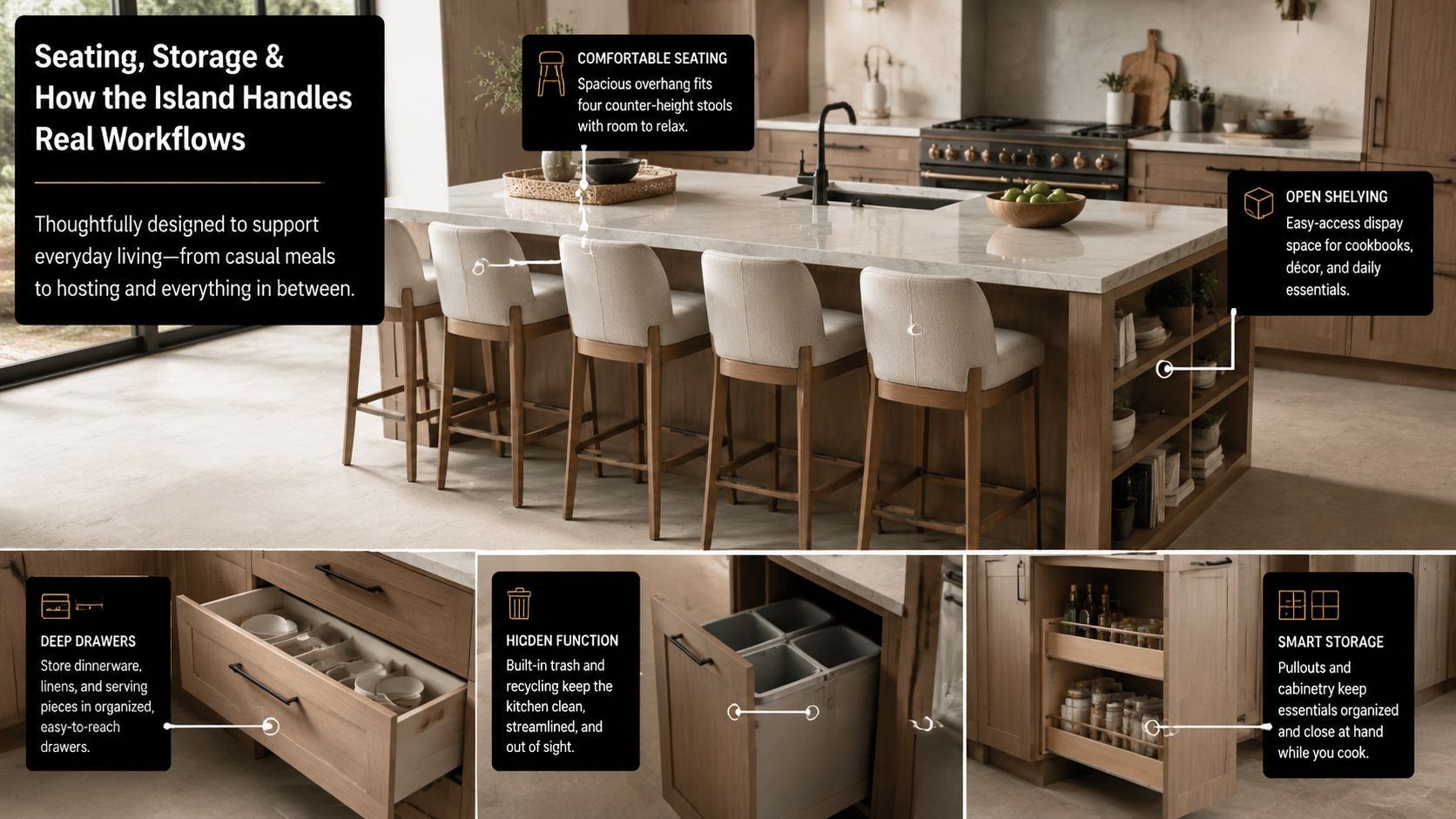
Island seating is a different category. Bar seating heights are engineered to 1050mm and require a minimum 300mm clearance for legroom, which helps create a comfortable dining position and a clear visual break in open-plan layouts, as outlined in Australian guidance on kitchen bench dimensions.

That’s why a breakfast bar shouldn’t merely be treated as an extension of the prep surface. It has its own ergonomic and spatial logic.

  • Prep bench: Usually benefits from a height selected for standing comfort and easy task flow.
  • Bar seating zone: Needs stool compatibility, overhang planning, and enough knee space underneath.
  • Visual separation: A raised seating edge can help define the kitchen without adding walls.

Bathroom vanities need their own logic

Bathroom renovations often expose the same mistake in a different form. Homeowners carry kitchen assumptions into a vanity design, then wonder why the basin area feels awkward once it’s built.

Vanity use is different. People lean in closer, use mirrors continuously, and share the space with different family members. In homes with children, grandparents, or mixed accessibility needs, the vanity height deserves just as much attention as the kitchen bench. This is especially relevant in modern bathrooms where floating joinery and vessel basins can distort the perceived working height if the planning only focuses on appearance.

A surface can look balanced in elevation drawings and still be uncomfortable once a basin, mirror, and tap projection are added.

Purpose-built zones work better than one-size-fits-all

Task-specific planning often produces better outcomes than insisting every horizontal line match throughout the house. That doesn’t mean creating visual clutter. It means assigning the right height to the right use.

Good examples include:

  • A lower surface for force-based tasks: Some homeowners prefer a dedicated area that assists in applying force for hands-on food preparation.
  • A raised bar edge: This suits seated use and separates entertaining from cooking mess.
  • A customized vanity: Useful when the bathroom is shared by adults, children, or older relatives.

New bathroom ideas and kitchen planning transition from style exercises to functional designs. The most successful spaces usually aren’t the ones that follow one number everywhere. They’re the ones that understand what each surface is supposed to do.

When to Customise Your Benchtop Height

Custom height makes sense when the people using the space don’t fit the assumptions behind standard joinery.

That often happens in homes with very tall adults, shorter users, people with mobility needs, or multi-generational households where one surface has to work for very different bodies. It also comes up in bathroom renovations where vanity use patterns are very specific. A family ensuite, a children’s bathroom, and an investor-grade rental upgrade don’t always need the same answer.

The trade-off is straightforward. Customisation can improve comfort and usability, but it can also make the project more complex. Deviating from the 900–920mm standard can increase costs because cabinets may need to be specially manufactured, and it may complicate future resale value. Sticking to the standard generally preserves compatibility with off-the-shelf cabinetry and market appeal, according to Australian kitchen measurement guidance.

The clearest reasons to customise

Some scenarios justify a custom approach more strongly than others.

  • A primary user is noticeably taller or shorter than average: Daily comfort can outweigh the convenience of staying standard.
  • The household includes accessibility needs: A standard bench may not support safe, independent use.
  • The room has more than one working zone: A split-height approach may solve a practical problem without forcing the entire room to change.
  • The bathroom has a specific user group: Kids’ bathrooms, ageing-in-place planning, and shared family bathrooms often need more nuanced thinking.

For homeowners wanting to see how these choices play out in finished spaces, reviewing a built bathroom renovation project in Sandringham can help translate dimensions into real layout decisions.

Standard vs Custom Benchtop Height A Comparison

Factor Standard Height (900-920mm) Custom Height
Cabinet compatibility Works smoothly with off-the-shelf cabinetry May require special manufacturing or adjustment
Appliance coordination Usually simpler to integrate with common kitchen appliances Can require more planning around alignment and fit
Budget control More predictable during quoting and procurement Can increase costs through bespoke joinery
Resale appeal Familiar to buyers and generally easier for the market to accept May suit a niche buyer if highly personalised
Daily comfort Good general solution for many households Better when tailored to a clear user need
Accessibility response Limited if users need a non-standard working level Stronger option when mobility or reach is a key issue

Decision test: Customise when a real user need is clear and ongoing. Don’t customise just because the option exists.

That’s the balance registered builders unlimited and renovation managers have to get right. Personalisation is valuable when it solves a real problem. It doesn’t help when it adds cost without improving day-to-day use.

Planning Your Perfect Height with 3D Design

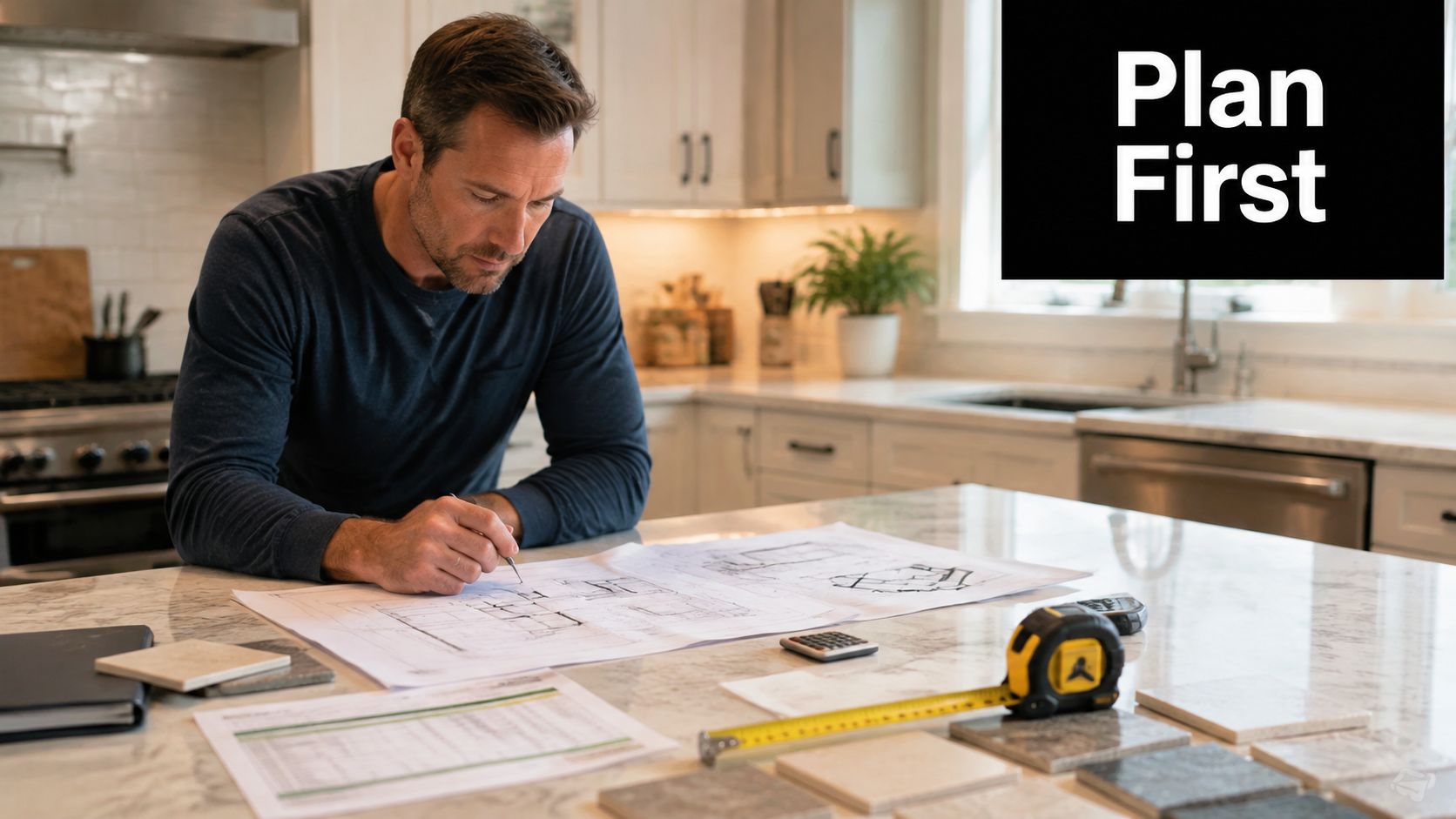
Choosing the right height gets easier once you stop treating it as an abstract number.

Most homeowners understand the issue as soon as they stand at a proposed surface and compare it with their natural elbow position. If the bench sits too low, you’ll feel the forward bend. If it sits too high, your shoulders and forearms tell you quickly. That simple body check is useful, but it becomes far more powerful when it’s combined with a proper design model.

A minimalist graphic with the text Planning Your Perfect Height above a green Book Consultation button.

Use the elbow rule as a starting point

For practical planning, measure where your bent elbow naturally falls while standing in a relaxed position. The goal is to place the main work surface below that point so the shoulders stay settled and the wrists don’t have to compensate.

That doesn’t produce one perfect answer for every room. It gives you a realistic starting range that can then be tested against cabinetry, appliances, basin choice, and circulation. In kitchens and modern bathrooms alike, the best dimension is the one that survives contact with real use.

A few checks help before anything is locked in:

  • Test the main user first: Not the occasional guest, but the person who uses the room most.
  • Check the task, not just the room: Prep, washing, grooming, and seated use can all point to different solutions.
  • Account for finished elements: Basin height, benchtop thickness, and splashback details all affect the final feel.
  • Review adjacent fixtures: The bench has to work with drawers, mirrors, appliances, and tap locations.

Why 3D design reduces expensive mistakes

3D modelling earns its place in a renovation process. It lets homeowners assess proportion, height relationships, and visual balance before joinery is manufactured.

That matters because adaptive planning is becoming more relevant. There has been a 25% rise in adaptive height projects in Melbourne, and 3D modelling is useful for testing options such as split-height benches like 900mm for prep and 850mm for a sink to support accessibility needs in multi-generational homes, according to guidance on adaptive countertop height planning.

Good 3D design doesn’t just show what the room will look like. It helps confirm whether the room will work.

For homeowners planning designer bathrooms, new bathroom ideas, or a full kitchen update, that visual testing reduces guesswork. You can compare a standard layout against a custom one and decide whether customisation improves daily life enough to justify the change.

A standard benchtop height remains the right answer for many Victorian homes. But the strongest renovation outcomes usually come from testing that standard against the people who’ll live with it.


If you’re planning a renovation in Highett or greater Victoria and want expert guidance on benchtop or vanity heights, SitePro Bathrooms can help. Their team handles concept planning, 3D design, and construction for kitchens, bathroom renovations, modern bathrooms, and designer bathrooms, with the practical oversight you’d expect from SitePro Bathrooms.

Refined using the Outrank app

Importance of registered builder in bathroom renovations
  • siteprobathrooms

Why Using a Registered Builder Matters for Your Bathroom Renovation

Planning a bathroom renovation is an exciting step toward improving your home’s comfort, functionality, and value. However, behind every great-looking bathroom is a complex process involving plumbing, waterproofing, electrical work, and structural considerations.

Choosing a registered builder is one of the most important decisions you can make. It ensures your renovation is completed safely, legally, and to a professional standard — protecting both your investment and your peace of mind.


What is a Registered Builder?

A registered builder is a qualified professional licensed to carry out and manage building work in accordance with industry regulations and standards.

In regions like Victoria, registered builders must meet strict requirements set by authorities such as the Victorian Building Authority.

This includes:

  • Proven experience and qualifications
  • Knowledge of building codes and compliance
  • Appropriate insurance and warranties
  • Accountability for completed work

Compliance with Building Codes and Regulations

Bathrooms are classified as wet areas and must comply with strict construction and waterproofing standards.

A registered builder ensures:

  • All work meets current building regulations
  • Waterproofing systems are compliant and certified
  • Plumbing and electrical work follow legal requirements
  • Necessary permits and inspections are completed

Non-compliant renovations can result in costly repairs, fines, and complications when selling your property.


Licensed Trades for Every Stage

A bathroom renovation requires multiple specialised trades, all of which must be properly licensed.

This includes:

  • Plumbers
  • Electricians
  • Waterproofers
  • Tilers

A registered builder coordinates these professionals to ensure each stage is completed correctly and in the right sequence.

Using unlicensed trades can lead to serious issues such as:

  • Hidden water leaks
  • Electrical hazards
  • Structural damage
  • Failed inspections

Waterproofing: The Most Critical Step

Waterproofing is one of the most important — and most commonly overlooked — aspects of bathroom renovations.

A registered builder ensures:

  • Certified waterproofing systems are used
  • Membranes are applied to required standards
  • Proper drainage and falls are achieved
  • Work is documented and compliant

Poor waterproofing can lead to mould, rot, and expensive structural damage over time.


Insurance and Warranty Protection

One of the biggest advantages of hiring a registered builder is the legal and financial protection it provides.

Homeowners benefit from:

  • Domestic building insurance (where required)
  • Workmanship warranties
  • Clear contracts and scope of work
  • Protection against incomplete or defective work

Without a registered builder, you may have little to no recourse if something goes wrong.


Professional Project Management

A bathroom renovation involves careful coordination of trades, materials, and timelines.

A registered builder manages:

  • Scheduling and sequencing of trades
  • Quality control at each stage
  • Material procurement and delivery
  • Problem-solving on-site

This ensures the project runs efficiently and reduces the risk of delays or costly mistakes.


Increased Property Value and Buyer Confidence

A professionally completed bathroom renovation adds significant value to your home.

Buyers and inspectors often look for:

  • Compliance certificates
  • Quality workmanship
  • Proper documentation

Renovations completed by a registered builder provide confidence that the work has been done correctly and legally.


Safety Comes First

Bathrooms combine water, electricity, and structural elements — making safety critical.

Using a registered builder ensures:

  • Electrical work meets safety standards
  • Plumbing systems are installed correctly
  • Ventilation is adequate
  • Slip and moisture risks are minimised

This protects both occupants and the long-term integrity of the home.


Avoiding Costly Mistakes

Cutting corners by hiring unqualified contractors may seem cheaper upfront, but often leads to higher costs later.

Common issues include:

  • Rework due to failed inspections
  • Water damage repairs
  • Poor finishes and defects
  • Delays and budget blowouts

A registered builder helps you get it right the first time.


Peace of Mind from Start to Finish

Ultimately, working with a registered builder gives you confidence that:

  • Your renovation is compliant
  • Qualified trades are involved
  • The project is professionally managed
  • The final result is built to last

Conclusion

A bathroom renovation is a significant investment that requires more than just good design — it demands proper planning, compliance, and expert execution.

By choosing a registered builder and licensed trades, you ensure your project is completed safely, legally, and to the highest standard.

When it comes to your home, cutting corners is never worth the risk. Investing in the right professionals delivers long-term value, durability, and peace of mind.ation is completed to the highest standard — and stands the test of time.

  • siteprobathrooms

Installing Large Format Porcelain Tiles

Large Format Porcelain Feature Panel Installation

Large format porcelain tiles are redefining modern interiors — creating seamless, high-end feature walls that deliver both luxury and long-term durability.

From bathroom statement walls to full-height living space panels, these oversized tiles offer a refined architectural finish that traditional tiling simply cannot achieve.

Professional installation is essential to ensure structural integrity, perfect alignment, and a flawless final result.


Expert Installation You Can Trust

With over 24 years of industry experience, Melbourne Tiling Services P/L are recognised as leading installers of large format porcelain panels.

Their specialist approach ensures:

  • Precision substrate preparation
  • Full adhesive coverage for maximum bond strength
  • Seamless panel alignment
  • Mitred edge finishing
  • Structural durability

Visit Melbourne Tiling Services to learn more about their professional installation solutions.


Why Choose Large Format Porcelain Panels?

Large format tiles (1200mm and above) are ideal for feature applications thanks to:

  • Minimal grout lines for a seamless look
  • Natural stone and concrete finishes
  • Moisture and stain resistance
  • Low-maintenance surfaces
  • Long-term durability

They transform walls into design centrepieces while maintaining practicality.


Where Feature Panels Work Best

Large format porcelain tiles are perfect for:

  • Bathroom feature walls
  • Walk-in showers
  • Kitchen splashbacks
  • Fireplace surrounds
  • Living room statement walls
  • Commercial reception areas

These installations enhance both visual impact and property value.


Precision Preparation Matters

Unlike standard tiles, large panels require perfectly level and stable surfaces.

Professional installation includes:

  • Wall levelling and preparation
  • Surface priming
  • Structural assessment
  • Advanced bonding techniques

This ensures longevity and prevents cracking or movement over time.


Advanced Installation Techniques

Installing large format porcelain tiles involves specialised methods, including:

  • Dual adhesive application (substrate & tile)
  • Mechanical levelling systems
  • Pattern and vein alignment
  • Precision cutting and mitred joins

These techniques ensure a seamless, slab-like finish.


Seamless Luxury. Built to Last.

When installed by experienced professionals, large-format porcelain feature panels create a sophisticated finish that combines design excellence with structural reliability.

With decades of expertise, Melbourne Tiling Services continues to set the benchmark for high-end porcelain panel installation across residential and commercial projects.


Upgrade Your Space Today

If you’re planning a renovation or new build, large format porcelain panels offer the perfect balance of style and performance.

Contact Melbourne Tiling Services P/L to bring your feature wall vision to life with precision installation and industry-leading craftsmanship.

  • siteprobathrooms

Safety First: Best Practices for Ensuring Worker Safety on Construction Sites

Safety on construction sites is not just a legal requirement — it is a critical responsibility that protects workers, reduces project risks, and ensures smooth project delivery. With multiple trades operating simultaneously, heavy machinery in use, and constantly changing environments, construction sites present a wide range of hazards that must be actively managed.

Implementing proven safety practices helps minimise incidents, improve productivity, and create a culture of accountability across every project.


Why Construction Site Safety Matters

A strong safety framework delivers more than compliance. It:

  • Protects workers from injury or fatality
  • Reduces project delays and downtime
  • Minimises legal and financial risks
  • Improves team morale and productivity
  • Enhances company reputation

Safe sites are efficient sites — and well-managed safety systems directly contribute to successful project outcomes.


Conduct Regular Risk Assessments

Identifying hazards before work begins is the foundation of construction safety.

Key steps include:

  • Evaluating site conditions and access points
  • Identifying high-risk activities (working at heights, electrical, excavation)
  • Assessing equipment and material handling risks
  • Implementing control measures before work starts

Risk assessments should be ongoing, especially as site conditions change throughout the project lifecycle.


Provide Proper Training and Inductions

Every worker on-site must be properly trained and informed.

This includes:

  • Site-specific inductions
  • Safe Work Method Statements (SWMS)
  • Equipment operation training
  • Emergency procedures

Workers who understand risks and procedures are far less likely to be involved in incidents.


Use Appropriate Personal Protective Equipment (PPE)

Personal Protective Equipment is essential for reducing exposure to hazards.

Common PPE includes:

  • Hard hats
  • High-visibility clothing
  • Safety boots
  • Gloves
  • Eye and hearing protection

PPE must be properly fitted, maintained, and consistently used across all site activities.


Maintain Clear Communication

Effective communication prevents confusion and accidents.

Best practices include:

  • Daily pre-start meetings (toolbox talks)
  • Clear signage and hazard warnings
  • Defined site access and exclusion zones
  • Coordination between trades

Strong communication ensures everyone understands their role and the risks around them.


Ensure Safe Use of Equipment and Machinery

Construction sites rely heavily on machinery, making proper operation critical.

Safety measures include:

  • Regular equipment inspections
  • Licensed operators only
  • Following manufacturer guidelines
  • Keeping plant and pedestrian areas separated

Faulty or misused equipment is one of the leading causes of site accidents.


Implement Fall Protection Systems

Working at heights remains one of the highest-risk activities in construction.

Control measures include:

  • Guardrails and edge protection
  • Scaffolding compliant with standards
  • Harness systems where required
  • Safe ladder use

Preventing falls should always be a top priority on any site.


Keep the Site Clean and Organised

Good housekeeping is a simple yet powerful safety practice.

Maintain:

  • Clear walkways
  • Proper material storage
  • Immediate waste removal
  • Spill management

A tidy site reduces trip hazards and improves overall efficiency.


Monitor and Enforce Safety Compliance

Safety procedures are only effective if consistently followed.

Site supervisors should:

  • Conduct regular inspections
  • Enforce safety rules
  • Address unsafe behaviour immediately
  • Encourage reporting of hazards

Creating a culture where safety is taken seriously at all levels is key.


Emergency Preparedness

Every construction site must be ready to respond to emergencies.

This includes:

  • First aid kits and trained personnel
  • Fire extinguishers and evacuation plans
  • Clear emergency contact procedures
  • Incident reporting systems

Preparation can significantly reduce the impact of unexpected events.


Building a Safety-First Culture

Beyond rules and procedures, the most successful construction sites promote a safety-first mindset.

This means:

  • Leadership prioritising safety over speed
  • Workers feeling confident to speak up
  • Continuous improvement of safety systems
  • Learning from past incidents

When safety becomes part of the culture, it leads to better outcomes for everyone involved.


Conclusion

Ensuring worker safety on construction sites requires a proactive, structured approach that combines planning, training, communication, and accountability.

By implementing best practices and maintaining high safety standards, construction professionals can protect their workforce, reduce risks, and deliver projects efficiently and responsibly.

A safe site is not just a compliant site — it is a productive and successful one.

Project Management
  • siteprobathrooms

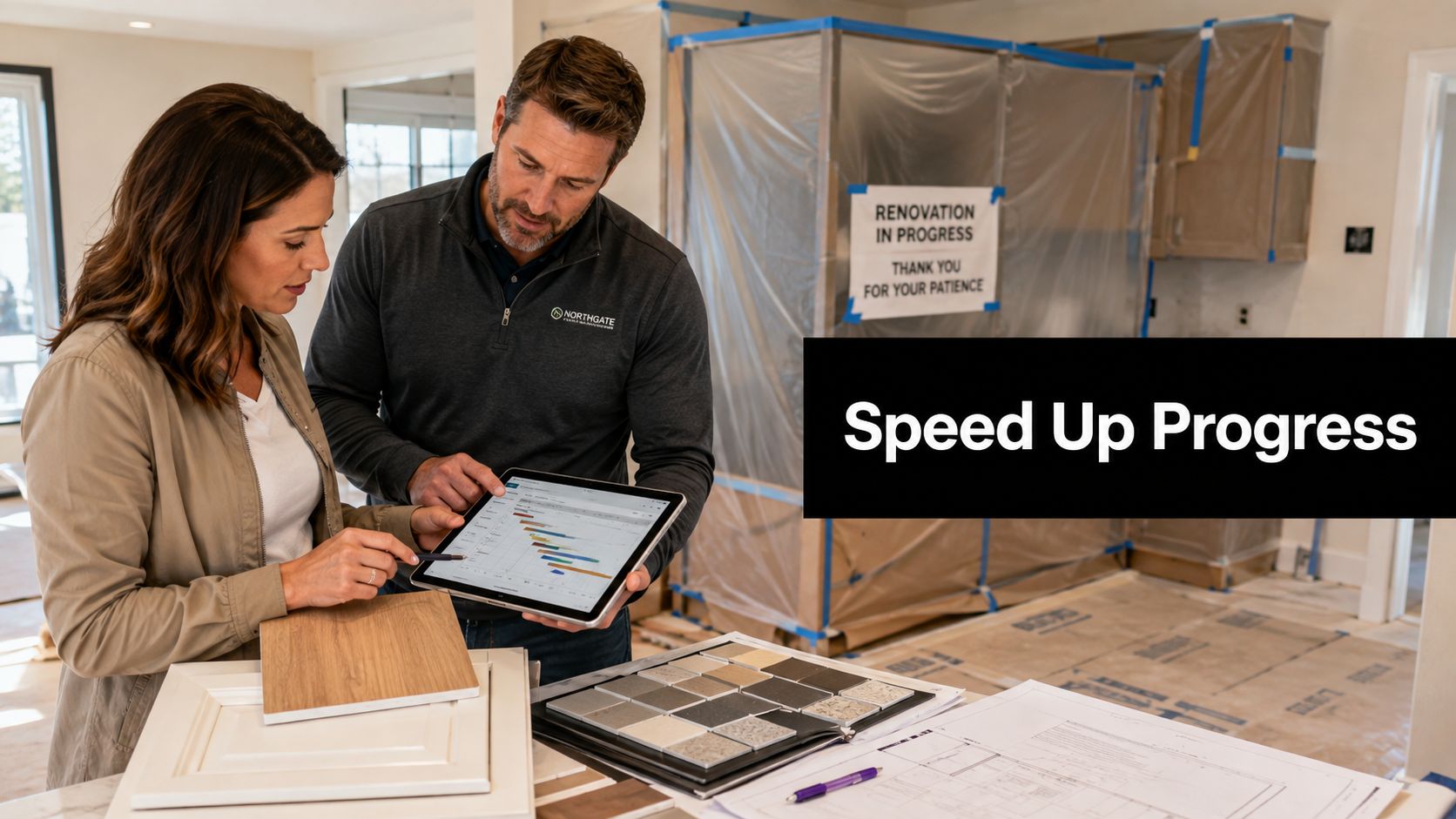
Project Management Essentials: Tips for Staying on Schedule and Under Budget

ThDelivering a construction project on time and within budget is one of the biggest challenges in the industry. With multiple trades, material lead times, design changes, and site conditions all influencing progress, effective project management is critical to success.

A well-managed project not only protects your bottom line but also ensures quality outcomes, client satisfaction, and long-term business reputation.


Why Project Management Matters in Construction

Strong project management provides structure, control, and accountability across every stage of a build or renovation.

Key benefits include:

  • Improved scheduling and workflow coordination
  • Accurate cost control and forecasting
  • Reduced delays and rework
  • Better communication between stakeholders
  • Higher quality outcomes

Without proper management, even simple projects can quickly exceed timelines and budgets.


Start with Detailed Planning

Every successful project begins with a clear and detailed plan.

This should include:

  • Defined project scope and objectives
  • Accurate cost estimates
  • Material selection and procurement timelines
  • Trade scheduling and sequencing
  • Risk assessment and contingency planning

The more detailed the planning phase, the fewer surprises during construction.


Set Realistic Timelines

Overly optimistic schedules are one of the most common causes of project delays.

To stay on track:

  • Allow for lead times on materials and fixtures
  • Factor in weather conditions and site access
  • Schedule trades in logical sequences
  • Build in buffer time for unexpected issues

Realistic timelines create achievable expectations and reduce pressure on trades.


Budget Control and Cost Tracking

Maintaining financial control is essential for keeping a project profitable.

Best practices include:

  • Creating a detailed, itemised budget
  • Monitoring expenses in real time
  • Tracking variations and scope changes
  • Comparing actual costs against forecasts

Early identification of cost overruns allows for quick corrective action.


Hire Qualified and Licensed Professionals

Working with experienced, licensed trades ensures the job is done right the first time.

This reduces:

  • Costly mistakes
  • Delays due to rework
  • Compliance issues

Engaging professionals also improves coordination and overall project efficiency.


Effective Communication is Key

Clear communication keeps everyone aligned and accountable.

Successful project managers:

  • Hold regular site meetings
  • Provide progress updates to clients
  • Coordinate trades effectively
  • Address issues before they escalate

Miscommunication is a leading cause of delays and budget blowouts.


Manage Variations Carefully

Changes during construction are common, but they must be controlled.

To stay on budget:

  • Document all variations clearly
  • Get client approval before proceeding
  • Assess cost and time impacts
  • Update schedules and budgets accordingly

Uncontrolled variations can quickly derail a project.


Schedule and Coordinate Trades Efficiently

Construction projects rely on multiple trades working in sequence.

Proper coordination ensures:

  • No overlap or downtime between trades
  • Work is completed in the correct order
  • Reduced risk of damage to completed work

Efficient scheduling improves productivity and keeps timelines intact.


Monitor Progress Regularly

Tracking progress against the schedule is essential.

Project managers should:

  • Conduct regular site inspections
  • Compare actual progress with planned milestones
  • Identify delays early
  • Adjust resources if required

Proactive monitoring helps keep projects moving forward.


Quality Control Prevents Costly Rework

Cutting corners often leads to expensive fixes later.

Maintaining quality standards:

  • Ensures compliance with regulations
  • Reduces defects and call-backs
  • Protects project timelines
  • Enhances client satisfaction

Doing it right the first time is always more cost-effective.


Use Technology and Project Management Tools

Modern tools can significantly improve efficiency and accuracy.

These include:

  • Scheduling software
  • Budget tracking systems
  • Communication platforms
  • Document management tools

Technology provides better visibility and control across the project lifecycle.


Plan for Risks and Unexpected Issues

No project runs exactly as planned.

Prepare for:

  • Material delays
  • Weather disruptions
  • Design changes
  • Site condition surprises

Having contingency plans in place reduces the impact of unforeseen events.


Conclusion

Staying on schedule and under budget requires a disciplined, proactive approach to project management.

By focusing on detailed planning, clear communication, cost control, and efficient coordination, construction professionals can deliver successful projects that meet both client expectations and financial targets.

Strong project management is not just about control — it is about delivering consistent, high-quality results with confidence.

The Rise of Smart Technology in Construction Sites
  • siteprobathrooms

The Rise of Smart Technology: How IoT is Revolutionizing Construction Sites

The construction industry is undergoing a major transformation, driven by the rapid adoption of smart technology and the Internet of Things (IoT). What was once a traditionally manual and reactive industry is now becoming data-driven, efficient, and highly connected.

From real-time site monitoring to predictive maintenance and safety tracking, IoT is revolutionising how construction projects are planned, managed, and delivered.


What is IoT in Construction?

The Internet of Things refers to a network of connected devices that collect, transmit, and analyse data in real time.

On construction sites, this includes:

  • Smart sensors
  • GPS tracking systems
  • Wearable safety devices
  • Connected machinery
  • Environmental monitoring tools

These technologies provide valuable insights that help improve decision-making, efficiency, and safety.


Improving Site Safety with Smart Technology

Safety is one of the biggest challenges in construction, and IoT is playing a critical role in reducing risks.

Examples include:

  • Wearable devices that monitor worker location and fatigue
  • Sensors that detect hazardous conditions such as gas leaks or temperature extremes
  • Real-time alerts for unsafe movements or restricted zone breaches

By using IoT, site managers can respond instantly to potential dangers, significantly reducing workplace incidents.


Real-Time Project Monitoring

IoT enables construction managers to track progress in real time.

With connected systems, you can:

  • Monitor equipment usage
  • Track material deliveries
  • Measure productivity levels
  • Identify delays as they happen

This level of visibility allows for faster decision-making and improved project control.


Equipment Tracking and Predictive Maintenance

Heavy machinery is a major investment, and downtime can be costly.

IoT solutions allow for:

  • GPS tracking of equipment across sites
  • Monitoring of machine performance and usage
  • Predictive maintenance alerts before breakdowns occur

By addressing issues early, companies can reduce downtime, lower repair costs, and extend equipment lifespan.


Enhancing Productivity and Efficiency

Smart construction sites use data to optimise workflows.

IoT helps:

  • Allocate resources more effectively
  • Reduce idle time
  • Improve trade coordination
  • Streamline operations

Automation and data insights enable teams to work smarter, not harder.


Better Resource and Cost Management

IoT provides accurate data that supports better financial control.

Benefits include:

  • Tracking material usage to reduce waste
  • Monitoring labour productivity
  • Improving cost forecasting
  • Minimising delays and budget overruns

This leads to more predictable project outcomes and improved profitability.


Environmental Monitoring and Sustainability

Sustainability is becoming increasingly important in construction.

IoT technologies help by:

  • Monitoring air quality and dust levels
  • Tracking energy consumption
  • Managing water usage
  • Ensuring compliance with environmental regulations

Smart systems allow construction companies to reduce their environmental impact while maintaining efficiency.


Improved Communication and Collaboration

Connected devices enable better communication between teams on-site and off-site.

This includes:

  • Real-time data sharing
  • Remote project monitoring
  • Faster reporting and issue resolution

Improved collaboration leads to smoother project execution and fewer misunderstandings.


Challenges of IoT Adoption

While IoT offers significant benefits, there are challenges to consider:

  • Initial setup and implementation costs
  • Data security and privacy concerns
  • Training requirements for staff
  • Integration with existing systems

However, as technology becomes more accessible, these barriers are gradually decreasing.


The Future of Smart Construction

The adoption of IoT in construction is only expected to grow.

Future developments may include:

  • Fully automated construction sites
  • AI-driven project management
  • Advanced robotics and drones
  • Digital twins for real-time simulation

Companies that embrace smart technology early will gain a competitive advantage in efficiency, safety, and project delivery.


Conclusion

The rise of smart technology and the Internet of Things is transforming construction sites into intelligent, connected environments.

By improving safety, increasing efficiency, and enabling real-time decision-making, IoT is helping construction professionals deliver projects faster, safer, and more cost-effectively.

As the industry continues to evolve, adopting these technologies is no longer optional — it is essential for staying competitive in the modern construction landscape.ents will not only improve your operational efficiency but also appeal to tech-savvy clients looking for modern construction solutions.

Sustainable Construction
  • siteprobathrooms

Sustainable Construction: Building for the Future with Eco-Friendly Materials

TSustainable construction is no longer a trend — it is the future of the building industry. As environmental awareness grows and regulations evolve, builders, developers, and homeowners are increasingly choosing eco-friendly materials and smarter construction methods to reduce environmental impact while improving long-term performance.

From energy efficiency to material selection, sustainable construction focuses on creating buildings that are durable, efficient, and environmentally responsible.


What is Sustainable Construction?

Sustainable construction refers to building practices that minimise environmental impact while maximising efficiency and durability.

It involves:

  • Using eco-friendly and renewable materials
  • Reducing waste during construction
  • Improving energy and water efficiency
  • Creating healthier indoor environments

The goal is to build structures that perform better over time while reducing their carbon footprint.


Why Sustainable Building Matters

The construction industry has a significant impact on the environment, contributing to resource depletion, waste, and emissions.

Adopting sustainable practices helps:

  • Reduce environmental impact
  • Lower energy consumption
  • Decrease long-term operating costs
  • Improve occupant health and comfort
  • Increase property value

Sustainable buildings are not only better for the planet — they are also more cost-effective over their lifecycle.


Eco-Friendly Building Materials

Choosing the right materials is at the core of sustainable construction.

Popular eco-friendly options include:

Recycled and Reclaimed Materials

Using recycled timber, steel, and concrete reduces the demand for new raw materials and minimises waste.

Low-Emission Products

Materials with low volatile organic compounds (VOCs), such as paints, adhesives, and finishes, improve indoor air quality.

Sustainable Timber

Responsibly sourced timber from certified forests ensures environmental balance and renewability.

Energy-Efficient Insulation

High-performance insulation improves thermal efficiency, reducing heating and cooling requirements.

Durable Finishes

Long-lasting materials reduce the need for frequent repairs or replacements, saving resources over time.


Energy Efficiency and Smart Design

Sustainable construction goes beyond materials — it includes how buildings are designed and operated.

Key strategies include:

  • Passive solar design to maximise natural light and heat
  • High-performance glazing and insulation
  • Energy-efficient appliances and lighting
  • Solar power integration

These features reduce reliance on external energy sources and lower utility costs.


Water Conservation

Efficient water use is a major component of sustainable building.

This can be achieved through:

  • Water-efficient fixtures and fittings
  • Rainwater harvesting systems
  • Greywater recycling
  • Smart irrigation systems

Reducing water consumption benefits both the environment and long-term property costs.


Waste Reduction on Construction Sites

Construction waste is a major contributor to landfill.

Sustainable practices include:

  • Accurate material estimation
  • Recycling construction waste
  • Reusing offcuts and materials
  • Minimising packaging

Efficient waste management reduces environmental impact and project costs.


Green Building Standards and Certifications

Many projects now aim to meet recognised sustainability standards, such as those set by the Green Building Council of Australia.

These frameworks promote:

  • Energy efficiency
  • Sustainable material use
  • Reduced emissions
  • Improved indoor environments

Achieving green certification can enhance property value and market appeal.


Long-Term Cost Benefits

While some sustainable materials may have a higher upfront cost, they often deliver savings over time.

Benefits include:

  • Lower energy bills
  • Reduced maintenance costs
  • Longer material lifespan
  • Increased resale value

Sustainable construction is an investment in long-term performance and efficiency.


Healthier Living Environments

Eco-friendly buildings are designed with occupant wellbeing in mind.

They offer:

  • Better indoor air quality
  • Natural lighting and ventilation
  • Reduced exposure to harmful chemicals
  • Improved thermal comfort

These factors contribute to healthier, more comfortable living and working spaces.


The Future of Construction

Sustainable construction is rapidly becoming the industry standard.

Innovations include:

  • Carbon-neutral building materials
  • Modular and prefabricated construction
  • Smart energy management systems
  • Net-zero energy homes

As technology advances, sustainable building will continue to evolve, offering even greater efficiency and environmental benefits.


Conclusion

Sustainable construction is about building smarter — using eco-friendly materials, efficient designs, and responsible practices to create structures that stand the test of time.

By embracing sustainability, builders and homeowners can reduce environmental impact, improve performance, and achieve long-term cost savings.

Building for the future means building responsibly — and sustainable construction is leading the way.