
Cost of a New Kitchen: A 2026 Highett & VIC Guide
A new kitchen in Victoria usually starts around AUD $20,000 to $50,000 for a standard mid-range renovation, while higher-end custom kitchens can exceed AUD $100,000. For many Highett homeowners, a realistic working range is enough to cover a proper renovation, but the final figure moves quickly depending on layout changes, labour, finishes, and compliance.
Many homeowners begin in the same place. They know the existing kitchen is tired, awkward, or no longer works for the way the household lives. What they usually don’t know is whether they’re looking at a cosmetic update, a full rebuild, or a renovation that expands once trades open walls and see what’s really there.
That’s where kitchen budgeting in Victoria gets different from the generic advice you’ll find online. Local labour, council conditions, licensed trade requirements, and the age of homes around Highett all affect the cost of a new kitchen. If you’re planning carefully, it helps to understand not just the number, but what drives it.
Your Guide to Kitchen Renovation Costs in Victoria
A kitchen renovation is one of the easiest projects to underestimate. A homeowner might think they’re replacing cabinets and benchtops, then realise the old layout wastes space, the appliances need new services, and the electrical setup doesn’t suit a modern kitchen.
Across Australia, the average cost of a new kitchen renovation in 2023 ranged from AUD $20,000 to $50,000 for a standard mid-range project, with high-end custom kitchens exceeding AUD $100,000, according to the Housing Industry Association kitchen cost data. That broad range is useful because it tells you one thing straight away. Kitchens don’t have one price. They have a price band tied to scope.
In Highett and nearby Victorian suburbs, the most reliable starting point is to decide which of these three paths you’re on:
- Refresh the existing footprint. Keep services where they are, update cabinetry, benchtops, splashback, and finishes.
- Improve the layout. Rework storage, circulation, and appliance positions without turning it into a major structural project.
- Rebuild for long-term value. Treat the kitchen as part of a larger home upgrade and design it properly from the start.
Practical rule: The cheapest kitchen on paper often becomes the expensive one if the quote ignores electrical upgrades, service relocations, or the condition of an older Victorian home.
A registered builder gives you a more realistic number because the quote isn’t built around cabinetry alone. It reflects demolition, preparation, compliance, coordination of licensed trades, installation quality, and the details that determine whether the room still performs well in ten years.
If you want to review what a full-service local approach looks like, the kitchen renovation service in Highett by SitePro Bathrooms shows the kind of end-to-end scope that helps keep planning grounded.
Budget Brackets What Your New Kitchen Could Cost
Most homeowners don’t need a perfect number on day one. They need the right bracket. That’s what makes decisions easier, because the cost of a new kitchen is usually shaped less by floor area alone and more by what level of finish and disruption you’re aiming for.
In Victoria, a mid-range renovation for a 15 to 20 square metre kitchen typically costs between AUD 50,000 and AUD 80,000, with licensed trade labour making up 40 to 50% of the total expenditure, according to Victorian kitchen renovation cost guidance. That labour component matters because it explains why even a modest room can cost more than expected once plumbing, electrical, and compliant installation are involved.
Kitchen Renovation Budget Tiers in Victoria 2026 Estimates
| Feature | Budget-Friendly (approx. $15k – $30k) | Mid-Range (approx. $30k – $60k) | Premium (approx. $60k+) |
|---|---|---|---|
| Cabinetry | Stock or simple flat-pack style joinery, limited internal storage features | Semi-custom joinery with better storage planning and cleaner finishes | Fully tailored joinery, detailed finishes, integrated storage, strong design focus |
| Benchtops | Laminate or simple entry-level surface selections | Durable engineered stone-look or other mid-market finish options | Premium benchtop selections with feature detailing and matching returns |
| Splashback | Basic tiled splashback or painted wall where suitable | Full tiled splashback with more considered layout and finish | Full-height feature splashback with a designer look |
| Appliances | Reuse some existing appliances or select standard replacements | New matched appliance package with better function and finish | Higher-spec appliance package chosen to suit cooking habits and layout |
| Layout changes | Best kept minimal | Some reworking possible, depending on services and structure | Greater freedom for reconfiguration, subject to budget and compliance |
| Lighting and power | Basic replacements | Improved lighting plan and additional practical power points | Layered lighting, statement fittings, refined electrical planning |
| Best for | Rentals, resale tidy-up, functional refresh | Family homes wanting durability and a noticeably better kitchen | Long-term homes, high-finish projects, designer kitchens |
What works in each bracket
A budget-friendly kitchen works best when the existing layout is already decent. If the sink, cooktop, and major appliances stay where they are, you avoid a lot of cost that doesn’t show in the finished photos. This bracket is often about making the room cleaner, more usable, and easier to maintain.
Mid-range is where most family kitchens land. This is the range where you can improve storage, replace tired finishes, update services where needed, and end up with a room that feels properly resolved rather than patched together.
Premium projects are usually not expensive because of one single item. They cost more because every decision pushes upward at the same time. Better joinery, more detailed installation, layout reworking, higher-spec appliances, upgraded lighting, and a tighter finish standard all stack together.
A premium result isn’t only about expensive materials. It’s about the amount of coordination required to make the whole room look and function as one design.
The common mistake
The biggest budgeting mistake is expecting a mid-range outcome on a budget-friendly scope. Homeowners often want a new island, relocated sink, integrated appliances, better pantry storage, cleaner sightlines, and refined finishes, but they still benchmark the project against a cosmetic refresh.
That mismatch causes friction early. A solid builder will call it out straight away, because a realistic brief saves time, avoids redraws, and stops the quote process turning into guesswork.
The 6 Biggest Drivers of Your Kitchen Renovation Cost
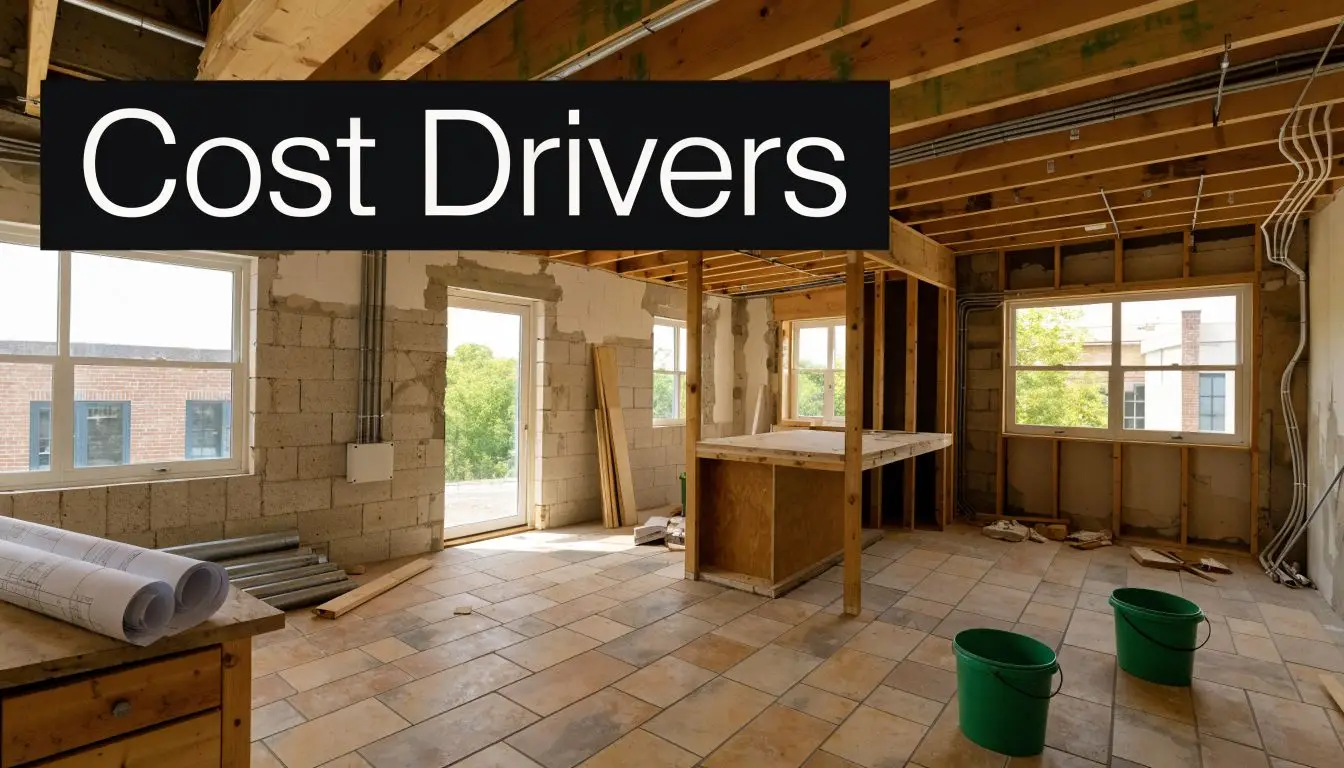
Victorian homeowners spent an average of AUD $35,000 on full kitchen makeovers in 2024, and 62% of projects involved layout changes that can inflate costs by up to 40% due to plumbing relocations under Victorian Building Authority regulations, according to this Victorian renovation cost breakdown. That aligns with what happens on site. The fastest way to increase cost is to move services.
Layout changes and structural work
If you keep the footprint, pricing stays more controlled. Shift the sink, oven, or island and the job starts involving more demolition, rerouting, patching, certification, and coordination.
That’s why some kitchens with a modest finish still cost plenty. The room itself may look simple when complete, but the work behind the walls wasn’t.
Cabinetry and joinery
Cabinetry is where design intent becomes real. Cheap joinery can look acceptable on handover day, but poor internal layout, weak hardware, and rough installation show up quickly in everyday use.
Good joinery isn’t only about door fronts. It’s about how the pantry opens, how corner storage works, how bin storage is handled, and whether appliance positions make sense. Those practical decisions do more for a family kitchen than chasing a fashionable finish.
Benchtops and splashbacks
Benchtops and splashbacks influence both price and labour. Large-format, full-height, or highly detailed selections require more precise installation and often tighter sequencing with cabinets, electrical, and final fit-off.
If you’re still deciding proportions, this guide to standard benchtop height in Australian kitchens is worth reviewing before locking in cabinetry and appliance positions.
On site, this is the usual rule: if a finish needs everything around it to be perfect, the labour cost will rise with it.
Appliances and fittings
Appliances can either support the design or force awkward compromises. A project often runs more smoothly when appliance dimensions, ventilation needs, and service points are confirmed early.
The same applies to taps, sinks, lighting, and power. Small upgrades don’t look like budget-breakers in isolation, but they often trigger adjustments to cabinetry, stone cut-outs, or electrical rough-in.
Labour and trade coordination
Using a registered builder is vital. Kitchens aren’t one trade. They’re a chain of dependent trades that need to arrive in the right order and work to the same plan.
For larger residential scopes, homeowners often ask about “registered builders unlimited” because they want one accountable party managing structural, plumbing, electrical, and finishing work under one roof. That’s the right instinct. When trades are fragmented, rework usually follows.
Compliance and older-home conditions
Victorian homes often bring hidden cost drivers. Older walls may not be straight. Floors may need levelling. Existing wiring or plumbing may not suit the new layout. Pre-1980s homes can also carry hazardous material issues, which need proper handling rather than shortcuts.
This is the part homeowners can’t judge from a showroom sample. It’s why an experienced local builder prices more carefully than someone who only looks at the visible finishes.
Real Highett Kitchens Two Budgets Two Stories
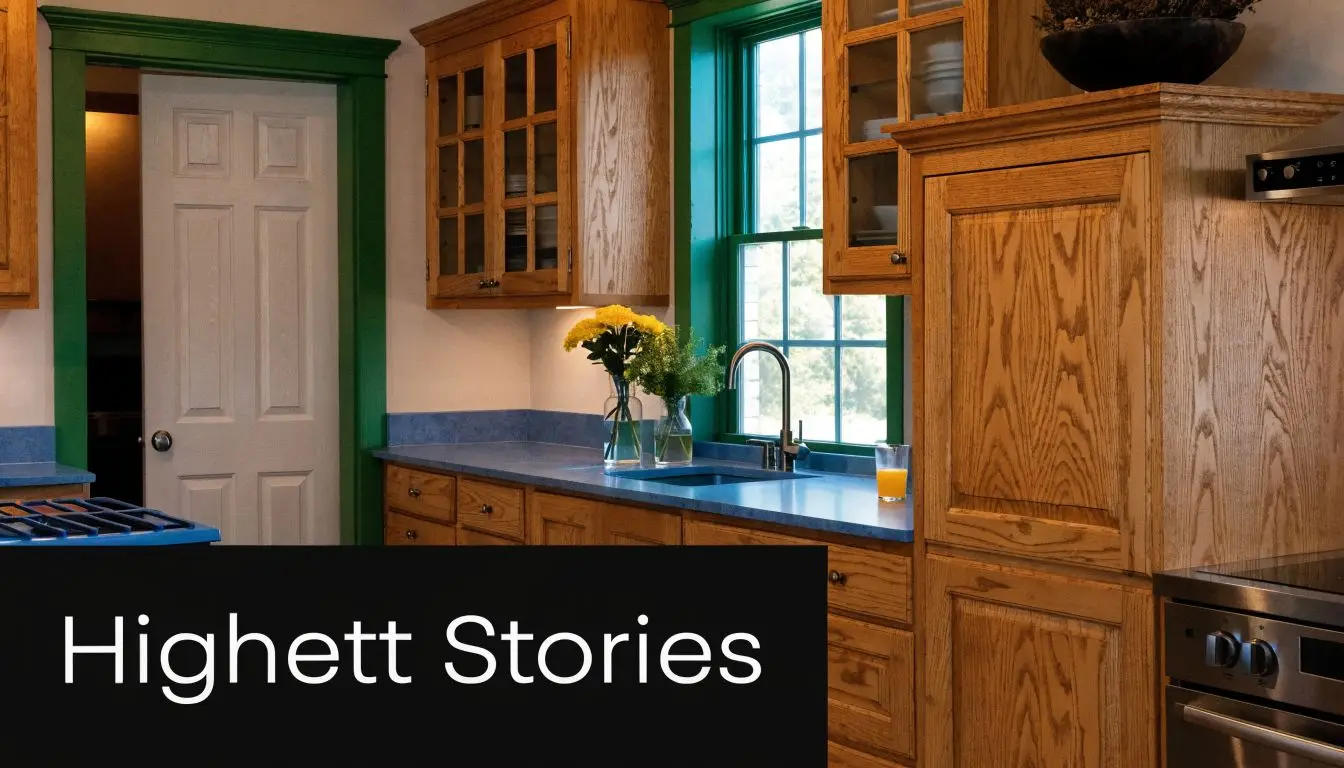
The numbers make more sense when you attach them to actual decisions. In Highett, two kitchens can sit on the same street and land in very different brackets for good reasons.
The practical family kitchen
One common brief is straightforward. The household wants more bench space, better pantry storage, easier cleaning, and stronger day-to-day function. They don’t want the kitchen to become a design exercise. They want it to work.
In that type of project, the best cost control usually comes from respecting the existing services. Keep the sink close to where it is, avoid unnecessary wall changes, and put the budget into joinery layout, drawer storage, durable surfaces, and lighting that improves how the room feels at night.
This kind of kitchen usually performs well because the money goes into practical gains:
- Storage that makes sense. Deep drawers where pots are stored, pantry shelves that are easy to reach, and bin storage that doesn’t waste space.
- Finishes that wear well. Selections that don’t require delicate treatment from a busy household.
- Layout discipline. Enough change to improve flow, not so much that the project turns into a services-heavy rebuild.
The end result isn’t flashy. It’s the kitchen people enjoy six months later because it works every morning.
The higher-finish whole-home update
A different brief comes from owners renovating more broadly and wanting the kitchen to match updated bathrooms and the rest of the house. That’s where designer kitchens and designer bathrooms often start to connect. The project isn’t only about replacing one room. It’s about making the whole home feel coherent.
This is also where new bathroom ideas often get discussed in parallel, especially if the owners want the same palette, joinery language, or fixtures carried across the home. Modern bathrooms and kitchens don’t need to match exactly, but they should look like they belong to the same renovation.
A strong renovation feels consistent without feeling repetitive. That comes from proportion, finish balance, and clear planning, not from copying the same detail into every room.
In these higher-finish kitchen projects, 3D design is useful because it helps resolve details before construction begins. It becomes much easier to judge bulkheads, appliance panels, aisle widths, and visual balance before trades start.
What usually doesn’t work is trying to build a designer result from a vague brief. If the owners want refined joinery lines, stronger feature lighting, and a cleaner integrated look, those decisions need to be settled early. Otherwise the project ends up paying premium rates for rushed choices.
Maximising Your Return on Investment and Financing
A kitchen renovation isn’t only a spending decision. In many homes, it’s a value decision. The kitchen is one of the first spaces buyers and tenants judge, and it shapes how people read the condition of the whole property.
Earlier market data referenced in the source set shows kitchen upgrades in Victoria and Melbourne can recoup a meaningful share of their cost on resale, particularly when the work improves function as well as appearance. The key point isn’t to chase every trend. It’s to renovate in a way that suits the property, the suburb, and the likely buyer.
What adds value
The best return usually comes from improvements that are obvious in daily use:
- A layout that flows. Better circulation, clearer prep zones, and less crowding.
- Storage that feels generous. Buyers notice drawer storage and pantry planning straight away.
- A finish level that matches the home. An overbuilt kitchen in an otherwise modest house doesn’t always make financial sense.
- Quality installation. Crooked lines, weak detailing, and rushed finishing are easy to spot.
A kitchen also supports value indirectly. When the room feels settled and complete, buyers assume the home has been cared for properly. That confidence matters.
What doesn’t always pay back
Not every premium choice improves resale. Highly specific design statements can limit broad appeal. Overly delicate finishes can also work against family buyers who want something durable.
There’s a difference between a kitchen that photographs well and a kitchen that sells well. Usually the best-performing projects are balanced. They feel current, but not so personalised that the next owner feels they need to start again.
Paying for the project
Most homeowners fund a kitchen renovation through savings, home equity, or a personal lending facility arranged independently. The right option depends on your broader plans for the property and whether the kitchen is being renovated on its own or alongside bathroom renovations and other works.
If the renovation is part of a larger home plan, budget the whole sequence first. A kitchen can absorb funds quickly and leave the remaining rooms compromised if the order of works isn’t thought through.
The smart move is to decide your priorities early. Spend on the things that are hard to change later, such as layout, joinery quality, and compliant building work. Decorative upgrades are easier to phase than structural or service-related corrections.
Understanding the Renovation Timeline and Process
The kitchen doesn’t start when demolition starts. It starts when the decisions stop moving. That’s why the planning phase matters so much.

Post-2024 supply chain issues have inflated cabinetry prices by 15 to 25% in Victoria, and 30% of recent projects in Highett used 3D visualisation for cost optimisation, reducing budget overruns by an average of 15% according to a 2026 kitchen planning survey summary. That reflects something practical. The more decisions you resolve before ordering, the fewer mistakes you pay for later.
The usual project flow
A typical kitchen renovation follows a sequence like this:
Consultation and site measure
The room is assessed properly, including access, existing services, and any likely constraints.Design and selections
Layout, joinery, finishes, appliances, and functional details are resolved before construction starts.Quoting and scope confirmation
At this stage, the budget becomes real. Clear inclusions matter more than low headline pricing.Demolition and preparation
The old kitchen comes out, and the site is prepared for rough-in work.Rough-in and installation
Plumbing, electrical, cabinetry, benchtops, splashback, and fit-off happen in sequence.Final handover
Defects are checked, finishes are reviewed, and the kitchen is completed for use.
Why one builder-led process helps
A kitchen is easier to deliver when one party manages the order of works. That becomes even more important if the kitchen is being renovated alongside bathroom renovations, because access, trade timing, and household disruption all need tighter control.
For homeowners trying to understand how scheduling affects cost, this article on staying on schedule and under budget during renovation projects is a useful companion.
Delays don’t only waste time. They often create extra site visits, repeated trade call-outs, and rushed decisions that weaken the final result.
What homeowners can do to keep the project moving
- Finalise selections early. Appliance changes and late finish swaps often affect cabinetry and services.
- Be honest about your budget. It saves redesigning a project that was never aligned.
- Treat temporary kitchen arrangements seriously. Renovation fatigue sets in fast when household routines aren’t planned.
- Leave compliance to licensed professionals. DIY enthusiasm has limits in kitchens.
Frequently Asked Questions About Kitchen Costs
Are there hidden costs in older Highett homes
Yes, especially in older properties. In Victorian suburbs like Highett, asbestos abatement can add AUD 5,000 to 15,000 to a renovation project, and approximately 40% of homes built before 1980 contain asbestos materials, according to Safe Work Australia figures cited here. If the home is older, assume investigation and proper handling are part of responsible planning.
Can I save money by doing part of the work myself
Sometimes, but only at the edges of the project. Simple prep or painting may be manageable for some owners, but kitchens rely on sequencing. If owner-supplied or DIY work holds up cabinetry, electrical fit-off, or final installation, the savings can disappear quickly.
Is a small kitchen always cheaper
Not necessarily. Small kitchens can still be expensive because they need the same core trades, careful joinery planning, and compliant installation. A compact room often gives you less room for error, not less complexity.
How does a kitchen compare with modern bathrooms on cost pressure
Kitchens usually carry more joinery and appliance coordination. Bathrooms often concentrate cost into waterproofing, tiling, fixtures, and drainage details. Both need licensed trades and disciplined sequencing, which is why homeowners planning modern bathrooms and kitchens together should budget the projects as one coordinated program rather than as isolated rooms.
What’s the best first step if I want a realistic number
Get the scope right before chasing prices. That means site measure, layout thinking, finish level, appliance intent, and an honest discussion about what stays and what moves.
If you’re planning a kitchen, bathroom renovations, or a whole-home update in Highett, the best next step is to request a custom quote and design consultation through SitePro Bathrooms. A clear plan, proper 3D design, and builder-led coordination will give you a far more reliable cost of a new kitchen than any generic online calculator ever will.