

If you're in Highett looking at a tired bathroom on one side and a cramped laundry on the other, you're probably already feeling the same frustration most homeowners describe. The bathroom doesn't function well, the laundry steals circulation space, storage is poor, and every quick fix seems to make the whole area feel more awkward.
A combined renovation can solve that, but only when it's approached as a practical building project, not just a style exercise. The best outcomes come from getting the layout right, locking in selections early, and planning the build so your home stays as workable as possible while trades are on site.
Envisioning Your New Combined Bathroom and Laundry
A Highett homeowner usually gets to this point after years of working around the room. The washing machine blocks access. The bathroom feels tired. Damp towels, detergents, baskets, and daily traffic all compete for the same few square metres. In many older Victorian homes and weatherboard renovations, the problem is not total floor area. The problem is how that area was divided in the first place.
A combined bathroom and laundry renovation gives you a chance to reset the room around how your household lives. That matters in local homes where wet areas were often added to over time, with little thought given to storage, ventilation, circulation, or appliance depth. I see this often in Highett projects. The original layout may have worked for an earlier version of the house, but it falls short once you add modern appliances, family routines, and the expectation that the room should be easy to clean and pleasant to use.
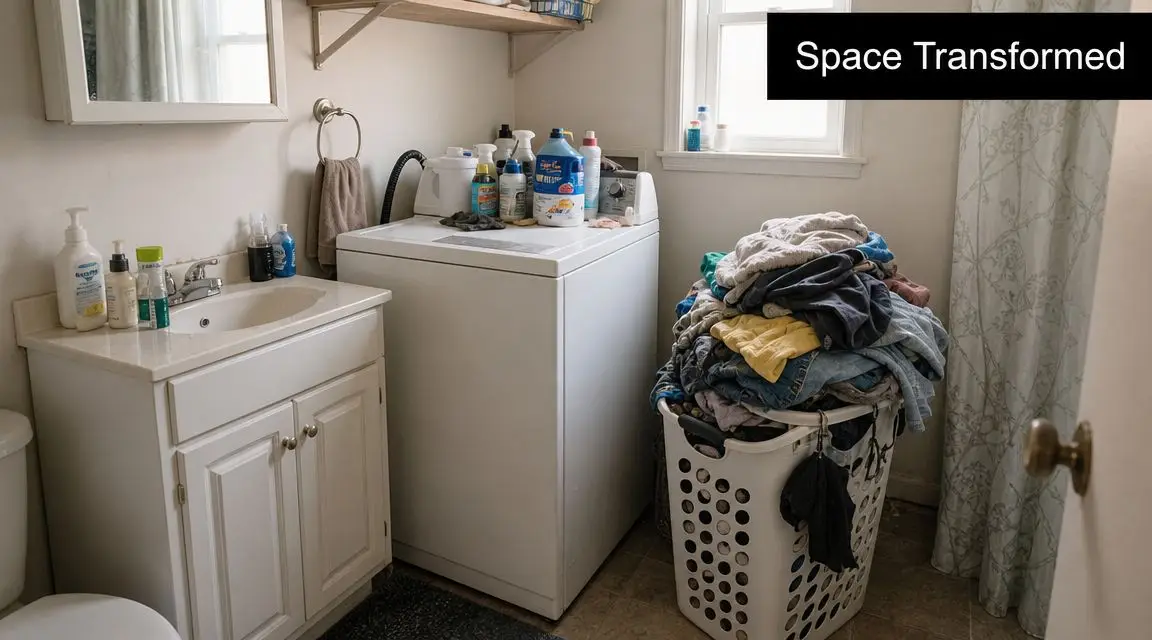
Done well, a combined space can feel calmer and more useful than two separate rooms.
The key is to treat it as a practical redesign, not a simple update of tiles and tapware. One room needs to handle moisture, noise, storage, washing, drying, movement, and cleaning without becoming cramped. That means making early decisions about where the appliances sit, how the door swings, where the tall storage goes, and whether the room needs to serve family bathing, guest use, or both. Those choices affect everything that follows, including plumbing changes, waterproofing detail, joinery design, and the way you live through the build.
Homeowners usually want a few outcomes from this type of project:
- Better use of limited space, with enough room to move around appliances and bathroom fixtures
- Storage that keeps detergents, linen, hampers, and cleaning products out of sight
- Strong ventilation and durable finishes that suit heavy moisture and daily wear
- A room that feels visually ordered, even when the laundry is in use
- A layout that suits the house, rather than forcing a generic showroom design into an older floorplan
There is also a Victorian trade-off that many guides skip over. Combining the spaces can free up area elsewhere in the home, but only if the new room is properly planned for noise, moisture control, and day-to-day access. If you have one main bathroom and no second toilet, the renovation sequence and temporary living arrangements matter. If the house has a narrow side passage, a rear extension, or an older timber floor, those site conditions can influence what layout changes are sensible and what should stay close to existing services.
That is why the best early vision is usually a practical one. Start by picturing a room that works on a rushed weekday morning, on a winter night with washing indoors, and on a weekend when guests are over. If the new space can handle those moments well, the style choices will sit on a much stronger foundation.
Defining Your Scope and Renovation Priorities
Once you decide to combine the bathroom and laundry, the next job is drawing a hard line between what the room needs to do and what you would like it to look like. That sounds simple, but many Highett renovations start drifting at this point. Homeowners choose tiles, tapware, and vanity styles early, then discover the washing machine door clashes with the vanity drawer, or there is nowhere practical to store linen, baskets, and cleaning products.
A clear scope prevents that. It also protects your budget when older Victorian homes throw up the usual surprises, such as uneven floors, dated plumbing locations, or walls that are not as straight as they looked before demolition.
Start with the essentials
Ask these questions before you request drawings or pricing:
Who needs to use the room, and at what times
A couple with staggered work hours will use the space differently from a family getting children ready for school. If grandparents visit often, or if this is the only bathroom in the house, access and ease of use matter even more.What is failing in the current setup
Be specific. Poor exhaust, nowhere to fold clothes, tight clearance at the toilet, weak storage, an awkward shower entry, or a laundry zone that always looks messy are all different problems with different design responses.What items are required in the finished room
This could be a walk-in shower, full-height storage, concealed appliances, a broom cupboard, a second basin, or room for a heat pump dryer. If it must be there for the room to work, put it in this category.What would improve the result if the budget allows
Feature tiling, upgraded tapware finishes, custom shaving cabinets, underfloor heating, or higher-spec lighting usually sit here.
Clients who skip this exercise often spend too much on visible finishes and too little on the parts they use every day.
Build your brief before selections begin
The easiest way to define scope is to split your brief into two lists before you lock in products.
| Required for the room to work | Worth adding if budget allows |
|---|---|
| Waterproofing and detailing suited to a wet, high-use room | Statement tiles |
| Storage for laundry items, linen, and cleaning products | Feature lighting |
| Appliance access, ventilation, and serviceable joinery | Premium mirrors or styling upgrades |
| Durable surfaces that clean up easily | More custom decorative finishes |
| A layout that suits your daily routine | Higher-end tapware or accessories |
This sounds basic. It saves money.
It also gives your builder and designer something practical to price against. In a combined renovation, vague requests create the biggest variation risk. "Make it feel premium" is not a scope item. "Include a benchtop over the front-loader, a tall cupboard for the vacuum, and enough clearance to open the shower without blocking the machine" is.
For homeowners weighing up whether the combination will work in their floorplan, our guide to laundries in bathrooms and what makes them practical helps clarify what should be settled before design starts.
Match priorities to the house and the way you live
This matters more in Melbourne's older housing stock than many guides admit. A period home or mid-century home in Highett often has service locations, wall positions, and access constraints that make some ideas expensive for very little gain. Shifting every plumbing point can be done, but it only makes sense when the new layout fixes a real daily problem.
If you are living in the house during works, priorities need another filter. A room that looks polished in photos may still be wrong for your household if it leaves no place to sort washing, no backup storage, or no realistic plan for how everyone manages while the room is offline. For a one-bathroom home, I usually advise clients to protect function first, then spend on finish where it has lasting value.
Different households usually land in different places:
- Families often need hard-wearing finishes, concealed storage, and enough bench or hamper space to stop the room looking cluttered by midday
- Downsizers often care more about easy access, lower maintenance, and strong lighting
- Owners preparing for sale usually benefit from broad appeal, simple styling, and a laundry zone that disappears neatly behind joinery
Lock the scope before demolition
One of the fastest ways to lose time and money is changing the plan after the room is stripped out. Once walls are open, every adjustment can affect plumbing, electrical rough-in, waterproofing setout, cabinetry sizes, and tile quantities.
The practical rule is straightforward. Finalise the layout, storage plan, fixture positions, and key selections before demolition begins. That does not mean every accessory has to be chosen on day one. It means the decisions that affect build sequence and service locations need to be settled early.
That discipline gives the project a far better chance of staying on budget and running to schedule. It also makes the build less stressful when you are trying to live around it.
Designing Smart Layouts for Combined Spaces
You notice layout mistakes fast in a combined bathroom and laundry. The washing machine door clips the vanity. Damp towels end up near clean clothes. One person steps out of the shower into the only spot where someone else can sort a load. On paper, the room looked efficient. In daily use, it becomes frustrating.
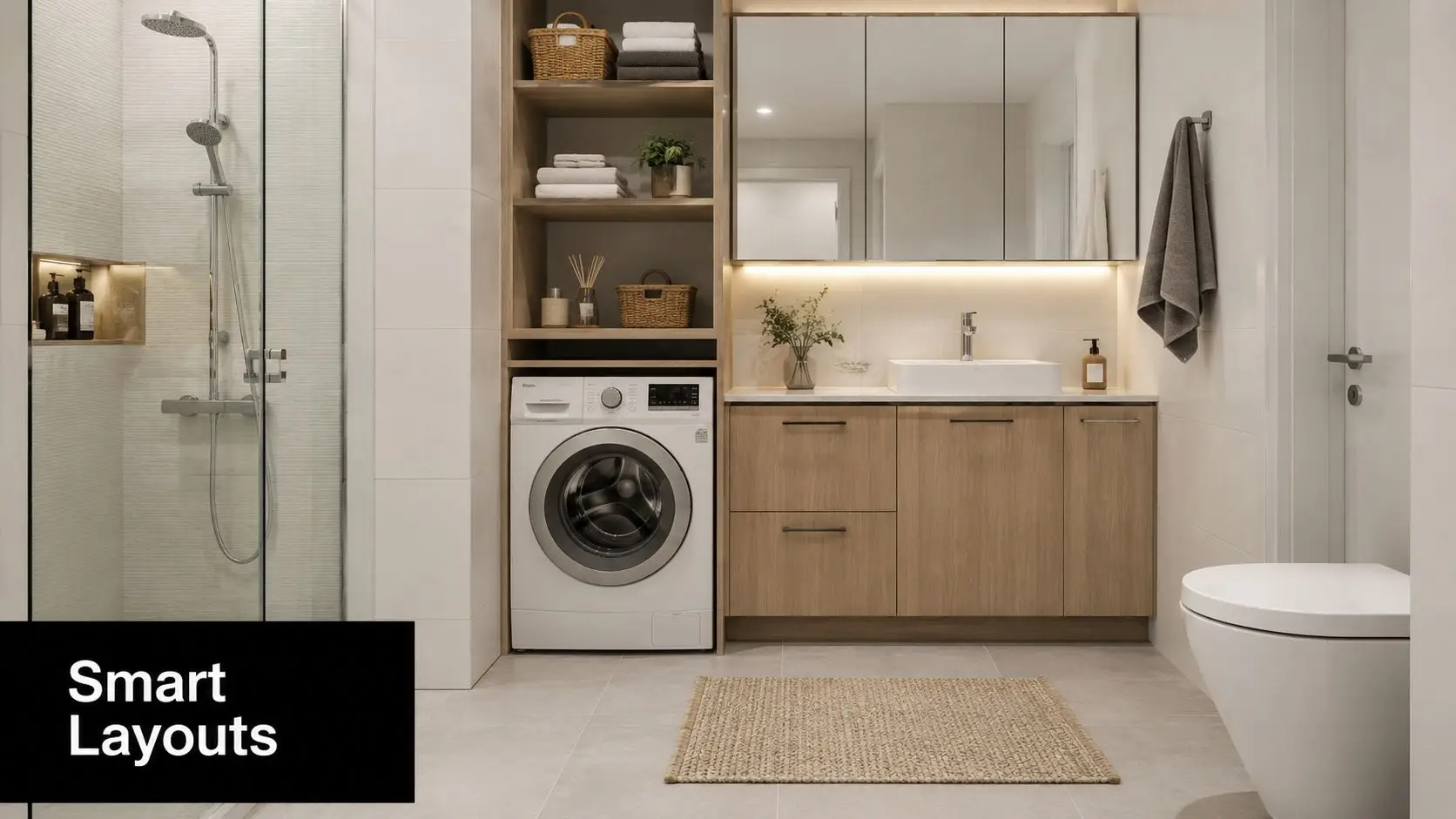
A good combined layout fixes circulation, storage, and service placement at the same time. In many Highett homes, especially older brick veneers and weatherboards, the footprint is tight and the original wet areas were never designed for modern storage or larger appliances. Combining the spaces can work well, but only if the room is planned around how the household moves through it.
The first rule is simple. Protect clear floor area.
Every fitting competes for the same footprint. Appliance doors, shower screens, vanity drawers, towel reach, hamper access, and the path to the toilet all need room to operate without conflict. If two actions cannot happen comfortably at once, the layout still needs work.
When combining the rooms makes sense
A combined bathroom and laundry usually suits homes where the existing wet areas are undersized, awkwardly shaped, or wasting wall length on poor storage. It can also be a smart move in Victorian renovation work where keeping plumbing closer to its original location helps control complexity and preserves more of the surrounding structure.
It tends to work best when:
- The room can be zoned clearly, with bathing on one side and laundry tasks on the other
- Appliances can be screened by joinery, so the room still feels calm and intentional
- There is enough bench or landing space for sorting, folding, or putting down a basket
- The household routine is predictable, so bathroom use and laundry use do not clash morning and night
It works less well in homes with heavy overlap in daily routines, especially one-bathroom houses where multiple people need access at the same time. In those cases, a compact separate laundry often serves the household better than forcing two high-demand functions into one room.
The layout choices that matter most
Some decisions have an outsized effect on how the room feels.
Stacked appliances
Stacking often gives back valuable width. That extra width can improve circulation, allow a better vanity, or create space for a tall linen cabinet.Concealed appliance joinery
Cabinetry around the washer and dryer keeps the room visually ordered and protects storage from looking like an afterthought. It also helps separate clean bathroom lines from the utility side of the room.A proper bench
Even a narrow surface changes how the room works. Without one, baskets end up on the floor, the vanity becomes a sorting table, and the room feels messy by default.Wet and dry separation
Keep laundry handling out of the shower exit path and away from the main splash zone. This matters for comfort, cleaning, and the life of your joinery.Door and drawer clearances
I check these carefully in every final setout. A layout can look fine in plan and still fail once the washer door, vanity drawer, and entry door are all opened in real life.
For practical examples of laundries in bathrooms, the useful question is not whether the room looks tidy in a photo. It is whether each task has a clear place to happen.
If the shower exit, appliance access, and vanity use overlap, the room will feel cramped no matter how good the finishes are.
Smart planning for Victorian homes
Victorian homes around Melbourne often come with quirks that affect layout decisions. Narrow rooms, off-square walls, raised floors, old window placements, and limited natural ventilation all change what will fit comfortably. In these houses, the best layout is usually the one that makes fewer ambitious moves and solves more daily problems.
That might mean keeping the toilet where it is and using the savings to build better joinery. It might mean recessing a shaving cabinet, switching to a cavity slider, or choosing a shower screen that keeps the walkway clearer. It might also mean accepting that side-by-side appliances are the wrong call if they steal too much circulation space.
A quick filter before you commit
| Question | Good sign | Warning sign |
|---|---|---|
| Does the room feel easier to move through? | Clear path between entry, vanity, toilet, and shower | Appliances or doors interrupt the main path |
| Can storage be concealed and useful? | Linen, detergents, hampers, and cleaning items all have a home | Open shelves and bench tops carry the overflow |
| Can two tasks happen without conflict? | Someone can shower while another person accesses storage or the toilet | Daily routines regularly collide |
| Are the appliances visually controlled? | Joinery or placement keeps the room balanced | The machines dominate the view |
| Will the room be manageable during winter and heavy use? | Ventilation, drying, and access have been planned properly | Moisture and laundry handling are competing in the same corner |
The strongest layouts usually look restrained because each decision is doing real work. Good proportions, disciplined storage, sensible fixture positions, and enough breathing room matter more than trying to fit every idea into one small footprint.
Budgeting Realistically for Your Renovation
Budgeting gets easier once you understand what you're paying for. In a combined renovation, cost isn't driven by one single item. It comes from a collection of decisions about scope, access, services, joinery, finishes, and how much reconfiguration the room needs.
The first budgeting mistake is thinking visually. Homeowners often focus on tiles, tapware, and vanity style because those items are easy to picture. The larger financial impact often sits behind the walls, especially when plumbing changes, waterproofing requirements, electrical work, and custom cabinetry are part of the job.
The main cost drivers
Some projects stay relatively controlled because the layout remains close to the original. Others rise quickly because the room is being significantly reworked.
The usual pressure points are:
Service relocation
Moving plumbing or electrical positions can add complexity, especially in a tight footprint.Joinery level
Off-the-shelf solutions and fully custom cabinetry don't land in the same budget range.Tile scope and installation complexity
Large-format tiles, full-height wall tiling, niches, and detailed set-outs take more labour planning.Room condition
Older rooms sometimes reveal substrate or framing issues once demolition begins.Fixture and finish selection
The look of designer bathrooms often comes from layered choices, not one feature item.
Where it's smart to spend
Not every line item deserves equal priority. Some elements should never be value-engineered too aggressively.
Spend to protect the structure first. Waterproofing, proper preparation, and compliant trade work matter more than prestige finishes.
A practical priority order looks like this:
- Waterproofing and substrate preparation
- Plumbing and electrical done properly
- Layout and joinery that improve function
- Durable fixtures used every day
- Decorative upgrades after the core build is resolved
Sample Budget Allocation for a Mid-Range Bathroom & Laundry Renovation
Because every home differs, percentages are more useful than pretending one fixed figure suits all projects.
| Expense Category | Estimated Percentage of Total Budget |
|---|---|
| Demolition and site preparation | 5 to 10 |
| Plumbing and electrical works | 15 to 25 |
| Waterproofing and preparation | 10 to 15 |
| Tiling and installation labour | 20 to 30 |
| Fixtures, fittings, and appliances | 15 to 25 |
| Joinery, storage, and finishing items | 10 to 20 |
These ranges aren't a quote. They're a planning tool that helps homeowners see where the budget typically gets distributed in a combined wet-area project.
How to compare quotes properly
A cheaper quote isn't always better value. The important question is whether you're comparing the same scope.
Check for:
- Demolition clarity so existing removal is properly defined
- Service work detail including plumbing and electrical allowances
- Waterproofing inclusion rather than vague wording
- Tile labour assumptions especially if patterns, niches, or full-height walls are involved
- Joinery detail so storage scope isn't left open-ended
- Fit-off and final finishing including who installs what
If you're trying to sense-check your likely spend before getting formal pricing, a bathroom renovation cost calculator can help you frame the conversation with more confidence.
What causes financial surprises
Most budget blowouts come from one of three things. The scope wasn't properly defined. Selections were made too late. Existing conditions were assumed rather than checked.
That's why experienced project planning matters so much. A room that combines bathroom and laundry functions has more moving parts than a cosmetic update. If the decisions are made early and documented clearly, the budget becomes far more manageable.
Navigating the Build from Demolition to Handover
For many Highett homeowners, the hard part starts once the drawings are approved and the room is out of action. A combined bathroom and laundry renovation affects daily routines fast. Showers, washing, storage, and access all tighten up at once, especially in older Victorian homes where space is already working hard.
That is why the build phase needs clear sequencing, realistic timing, and close supervision on site. In this kind of renovation, small mistakes early can create expensive rework later. A waste in the wrong spot, a wall out of square, or late tile changes can hold up several trades and make living through the job far harder than it needs to be.
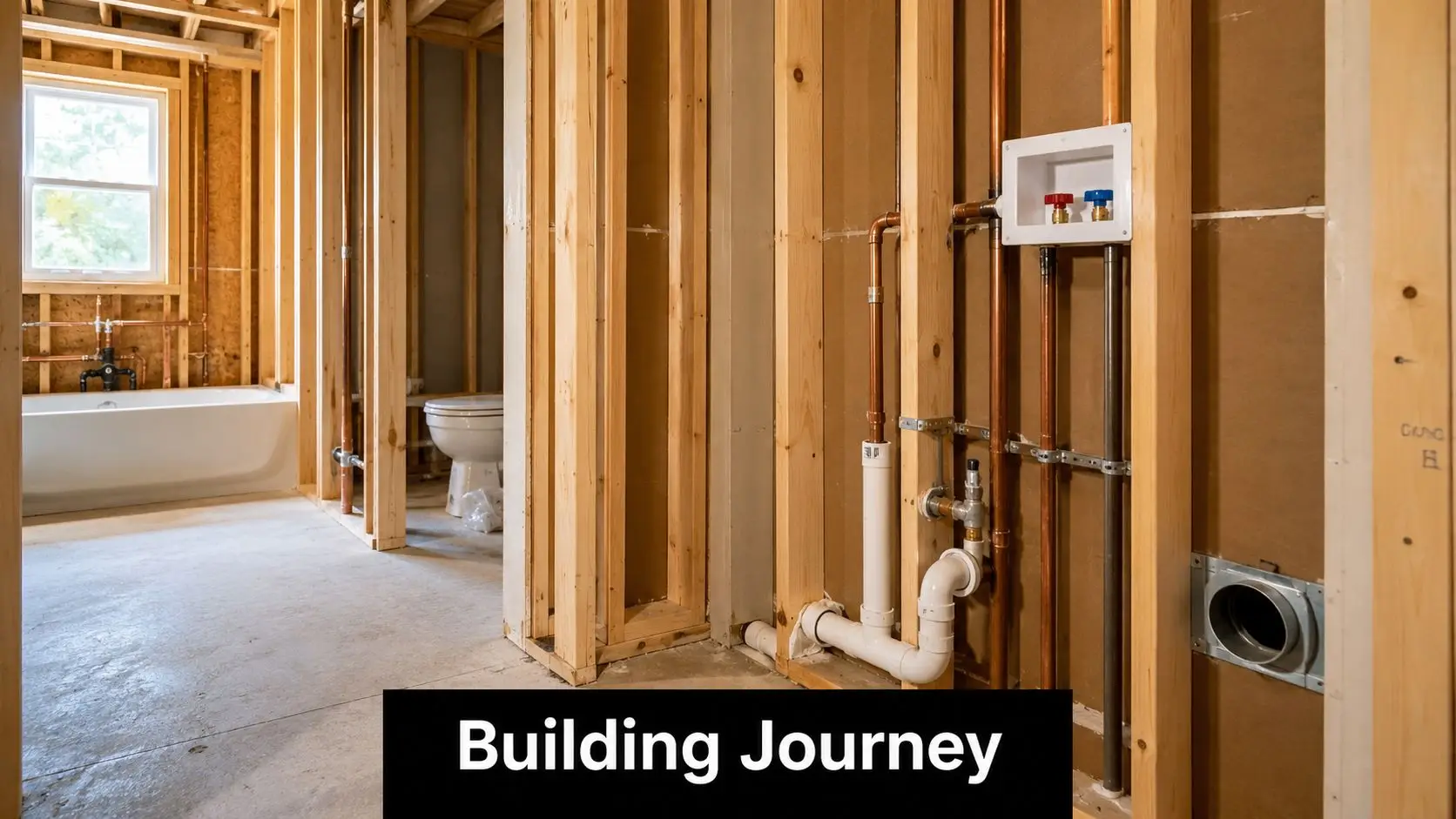
The correct build sequence
A well-run project follows a set order because each stage relies on the last one being finished properly.
Final selections and confirmed scope
Layout, fixtures, tiles, cabinetry, appliances, and measurements need to be signed off before site work begins. This matters even more in combined rooms, where a 20mm change can affect appliance clearance, vanity depth, or circulation space.Demolition
Existing fixtures, wall linings, floor finishes, and redundant services are removed. In many Melbourne homes, this is also the point where hidden issues show up, such as water damage, uneven framing, or outdated plumbing that was never visible during planning.Rough-in plumbing and electrical
Services are relocated and set to the approved plan. If the design includes moving the laundry zone, changing drainage falls, or adding extra power for appliances and heated rails, during this stage, those decisions either prove viable on site or necessitate adjustment.Waterproofing
Wet areas are prepared and waterproofed to the required standard. For a bathroom-laundry combination, this stage needs careful attention because water exposure is coming from more than one source.Tiling and surface installation
Set-out is checked before tiles go down. Good set-out avoids awkward cuts, keeps floor wastes where they should be, and makes the room look balanced rather than patched together.Fit-off
Cabinetry, benchtops, screens, tapware, sanitary fixtures, mirrors, accessories, and appliances are installed. This is where early planning pays off. If measurements were checked properly, everything fits. If they were guessed, problems usually appear here.Final quality checks and handover
The room is cleaned, tested, inspected, and prepared for use. We look at function as well as finish. Doors need to clear properly, drawers need to open past appliances, falls need to drain, and every fixture needs to do its job without compromise.
What often slows a combined renovation
Bathroom-only advice often misses this point. A combined renovation has more interfaces between trades, and that means more chances for delays if the job is not tightly managed.
The usual causes are practical. Appliances arrive late. Joinery is fabricated before final site measure. A tile selection changes after waterproofing details are set. In older brick veneer and weatherboard homes around Highett, we also regularly see walls and floors that are not straight enough for off-the-shelf assumptions. That does not stop the job, but it does mean the builder needs to pick up issues early and adjust before they affect the next trade.
Living through the renovation is part of the planning too. Some households can stay in the home if there is another toilet or shower available. Others are better off arranging temporary alternatives for part of the build. Speed and convenience do not always align. A faster program can mean fuller site access and less flexibility day to day. A staged approach can make family life easier, but it usually stretches the timeline.
If you want a clearer sense of what the construction program typically looks like, this guide on how long a bathroom remodel should take gives a practical breakdown.
Why oversight matters in Victoria
In Victoria, a combined wet-area renovation is more than a cosmetic update. It can involve waterproofing compliance, plumbing changes, electrical work, ventilation, and sometimes structural alteration if the layout is being improved.
Good oversight keeps those moving parts coordinated. It also protects the finish. I have seen projects where the design was fine, but the execution slipped because one trade worked from an old plan, selections were still changing mid-build, or defects were left for the next person to solve. That is how budgets drift and deadlines move.
The calmer projects are the ones where decisions are locked in early, site conditions are checked properly, and someone is responsible for the whole sequence from demolition to handover.
Your Renovation Questions Answered
A combined bathroom and laundry renovation in Highett usually raises the same practical questions once the dust starts. The better time to answer them is before the room is stripped out, while the layout, schedule, and day-to-day living plan can still be adjusted without cost blowouts.
Can we stay in the house during the renovation
Often, yes, if the house can still function.
A primary concern is access to basics. If this room includes your main shower, toilet, or laundry setup, you need a plan for every day of the build, not just the demolition week. In many Victorian homes, especially older brick veneer and weatherboard layouts, there is limited spare wet-area capacity. That makes staging attractive, but staging also extends the program and can increase labour time.
Before work starts, sort out:
- Whether another toilet and shower are available
- Whether a temporary laundry setup can work elsewhere
- How children, shift workers, or older family members will manage access
- Whether a shorter, more intensive build suits you better than a longer staged one
I usually tell clients to decide this early. Families cope better when they choose their trade-off upfront, rather than trying to change the construction sequence mid-build.
Why does 3D design matter so much
Because combined rooms punish guesswork.
A plan that looks fine on paper can still fail in use. Washing machine door swings, vanity depth, circulation space, towel access, and where you stand to sort clothes all matter more in a dual-purpose room. In many Victorian homes, the room is narrow, the walls are not perfectly square, and existing services limit where fixtures can move. That is why detailed design work before demolition saves money later.
Good 3D design helps test the room properly. You can see whether the layout feels cramped, whether storage is in the right spot, and whether the bathroom still reads as a bathroom rather than a laundry with a shower pushed into it.
How is dust and disruption managed
Occupied-home renovations are disruptive. Good site management keeps that disruption controlled.
The basics matter most:
- Floor and access protection to adjacent rooms
- Dust control during demolition and cutting
- A clear plan for rubbish removal
- Notice before water or power shut-downs
- Trade timing that avoids long idle gaps
Homeowners do not need perfection. They need order, clear communication, and a site that is being managed properly from day to day.
Why work with a Registered Builder Unlimited
For a more involved wet-area renovation, proper oversight matters because several parts of the job are tied together. Plumbing rough-in affects cabinetry. Electrical locations affect mirror and storage choices. Waterproofing has to suit the final set-out, not a rough sketch that changed on site.
In Victoria, that coordination also matters for compliance and accountability. If the room is being reworked, as distinct from a tiling update within the existing footprint, you want one party responsible for the sequence, the trades, and the final result.
What should you do next
Start with the problems the room needs to solve. That usually means storage, circulation, drying space, appliance placement, and whether the room can support family life during the week without feeling cramped.
Then test the layout before anyone starts demolition. That is where smart decisions get made in a combined renovation.
If you want practical guidance specific to your Highett home, SitePro Bathrooms can help you shape the brief, refine the layout, and map out a buildable plan before construction begins.