
If your home has reached that stage where mornings feel like a queue, guests always need to “just wait a minute”, or the kids have somehow taken over the only shower, adding a bathroom starts to feel less like a luxury and more like the obvious next step. In a lot of Melbourne homes, that pressure point arrives well before the family is ready to move.
That's especially true in older houses across bayside suburbs, where the floor plan often made sense decades ago but doesn't suit how people live now. A second bathroom can mean a private ensuite, a proper family bathroom renovation strategy, or a basic toilet and shower where they're needed most. It can also be the difference between making your current house work for another ten years and deciding you've outgrown it.
The catch is that adding a bathroom isn't just about picking tiles and tapware. In Victoria, the job sits at the intersection of layout, drainage, waterproofing, permits, structural work, and compliance. That's where many first-time renovators get tripped up. The nicest new bathroom ideas still fail if the location is wrong, the plumbing run is awkward, or the approvals haven't been handled properly.
Is Adding a Bathroom the Right Move for Your Home
A typical scenario goes like this. A family buys a solid home in Highett because the block is good, the schools are close, and the location works. A few years later, the one original bathroom starts causing friction. One person needs the shower, another needs the basin, and guests are walking past bedrooms to get to the toilet.
That's usually the moment people start looking at adding a bathroom instead of moving house.
When the project makes sense
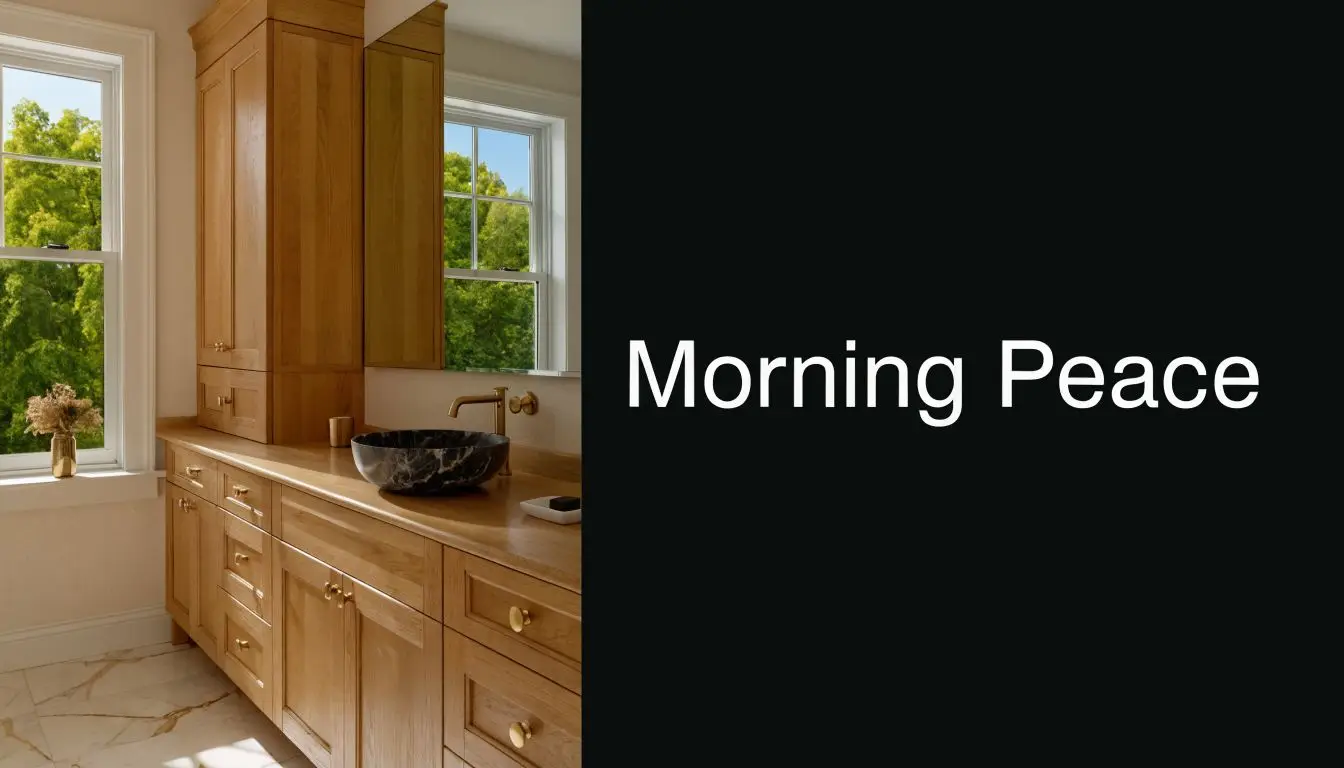
The best bathroom additions solve a daily problem first. Value matters, but function matters more. If the house has one bathroom serving a growing family, no guest facility, or no ensuite for the main bedroom, the project often pays off in day-to-day comfort long before resale enters the conversation.
There's also a property angle. Bathroom additions in Victoria have been linked with resale uplift, particularly when the new room is practical, well-located, and built to suit the home rather than forced into it. That's one reason so many owners now look at modern bathrooms and smarter layouts as part of a larger upgrade plan rather than a cosmetic renovation alone.
A good bathroom addition doesn't feel “added on”. It feels like the house should always have had it.
What works and what doesn't
Some additions are straightforward wins. Turning underused floor area into a compact ensuite, reworking a laundry, or converting part of a garage can transform the way a house functions. These projects tend to work because they use space the home already has.
What doesn't work is chasing a bathroom at any cost. If the room ends up dark, cramped, or dependent on difficult plumbing runs, the final result can feel compromised. The same applies when homeowners start with finishes instead of planning. Designer bathrooms only work when the bones are right first.
A better approach is to test three things early:
- Daily use: Who needs the room, and when?
- Placement: Can it sit near existing services or in a structurally sensible spot?
- Long-term fit: Will it still suit the home in five or ten years?
Lifestyle first, style second
Many strong projects begin to take shape, driven by varied needs. A family might want a hard-wearing bathroom near the kids' bedrooms. A couple might want a calm ensuite with cleaner lines and more storage. An investor might focus on adding an extra shower and toilet to make the property more attractive to future buyers or tenants.
All three are valid. The right answer depends on the house, not on trends.
Finding the Perfect Spot Feasibility and Layout Planning
The location drives almost everything. Cost, complexity, approvals, plumbing, natural light, and how the bathroom feels once it's finished all start with one decision. Where will it go?
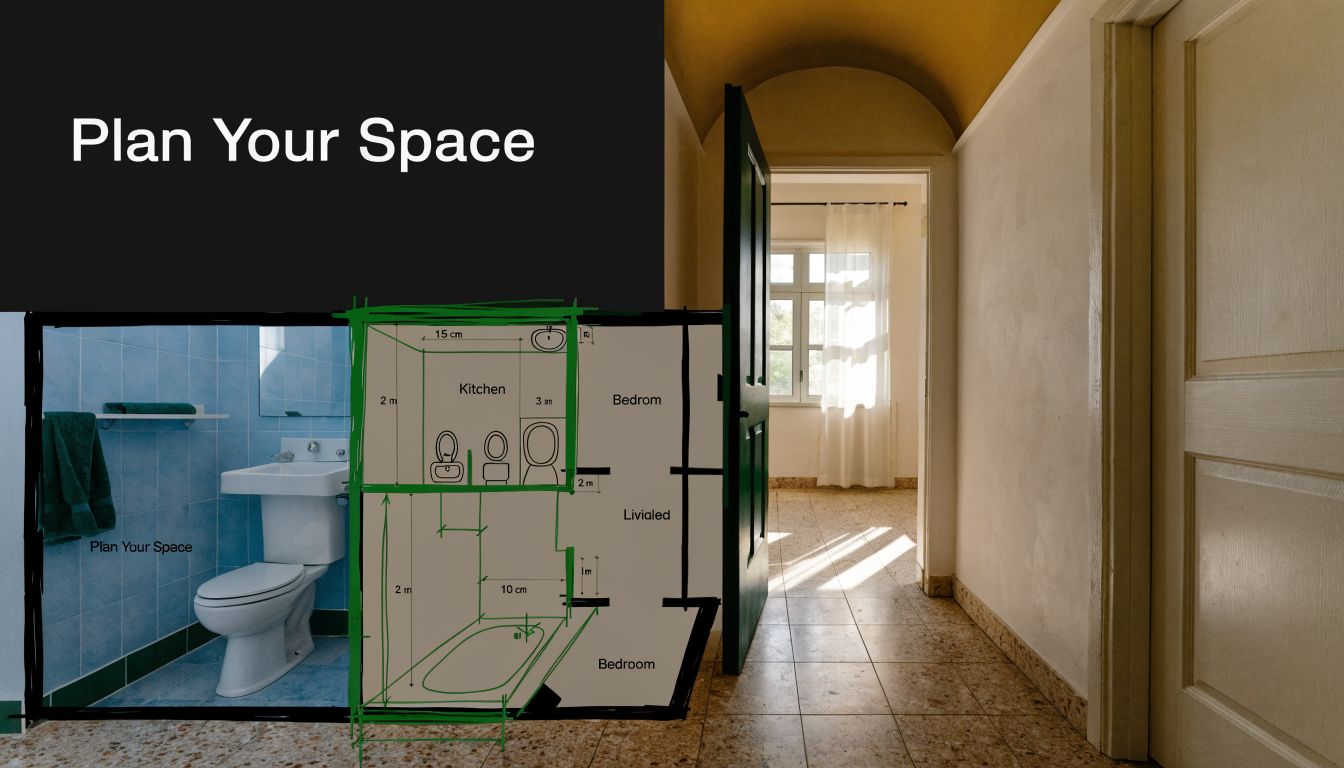
Before you think about finishes, walk through the house and look for wasted or underperforming space. In many homes, the answer isn't an extension. It's a better use of existing floor area.
The most common locations
A few spots come up again and again because they're practical.
- Laundry conversion: If the laundry is oversized or poorly laid out, it can often absorb a shower room or combined bathroom.
- Garage conversion: Useful when internal space is tight, but structural and approval issues need close attention.
- Upstairs reconfiguration: A common move in older homes where a robe, retreat, or part of a hall can become an ensuite.
- Ground-floor extension: Best when the existing plan offers no sensible internal option, though this usually carries more build complexity.
- Large walk-in storage area: Sometimes the simplest answer, especially near existing plumbing.
Each option has trade-offs. A converted internal space often saves money and shortens the build path. An extension gives more freedom but adds more structural, envelope, and drainage work.
What to check first
The first walkthrough should be practical, not aspirational. Ask:
- How close is the new room to existing water and waste lines? Shorter runs are usually simpler.
- Does the floor structure support the change? Upstairs additions often need more scrutiny.
- Can the room ventilate properly? Bathrooms without natural airflow need careful mechanical ventilation planning.
- Will the new layout damage another room? A second bathroom shouldn't ruin circulation or storage elsewhere.
- Is there enough door clearance and usable floor space? A plan can fit on paper and still feel awkward in real life.
If you're considering an ensuite, looking at examples of ensuite design layouts and planning ideas can help you understand how circulation, vanity position, and shower placement affect the final feel of the room.
Practical rule: The cheapest square metre in a bathroom addition is often the one that already exists inside the house.
Layout matters more than room size
A bathroom doesn't need to be huge to work well. What matters is sequence. If the first thing you hit is the toilet, the room feels clumsy. If the vanity steals the walkway, the room feels tight. If the shower door opens into the traffic line, the room feels badly planned even when the finishes are beautiful.
That's why early visualisation matters. Good 3D planning helps homeowners test whether a nib wall improves privacy, whether a cavity slider frees up circulation, or whether swapping a hinged shower screen for a fixed panel gives the room more breathing space.
Here's what usually improves the layout fast:
- Place the vanity where it's easy to access
- Keep the toilet out of the direct sightline where possible
- Use shower screens and door swings to preserve movement
- Build in storage from the start
- Future-proof with walk-in access if the household may need it later
Natural light and privacy
The nicest bathrooms balance light and privacy. A frosted window, skylight, or borrowed light from an adjacent zone can lift a room dramatically. But privacy should be handled early, especially in side setbacks, garages, or upper-level additions overlooking neighbours.
A bright room feels larger. A private room gets used comfortably. You need both.
Budgeting Your Victorian Bathroom Addition A Realistic Cost Breakdown
A bathroom addition can look straightforward on paper, then shift fast once the hidden work is priced properly. In Victoria, the budget is usually driven by drainage, waterproofing, structure, ventilation, and access before anyone starts talking about tile patterns or tapware finishes.
For a full bathroom addition in Victoria, I'd usually tell homeowners to allow about AU$25,000 to AU$60,000 as a practical working range based on SitePro's project experience across Melbourne. A compact bathroom carved from existing internal space can sit at the lower end. An upstairs addition, garage conversion, or new extension can move well beyond that range once structural changes and longer service runs are involved.
Where the money usually goes
The spending pattern is fairly consistent, even though every house throws up its own issues.
| Expense Category | Estimated Cost (AU$) | Percentage of Total Budget |
|---|---|---|
| Fixtures and fittings | AU$10,000 to AU$20,000 | 45% |
| Plumbing and electrical | AU$8,000 to AU$12,000 | 30% |
| Structural work | AU$5,000 to AU$15,000 | 25% |
Those percentages are best treated as a guide, not a fixed formula. In an older Melbourne home, plumbing and structural work often take a bigger share because the existing house was never set up for an extra wet area. In a cleaner internal conversion with easy access to waste lines, more of the budget can go into finishes and joinery.
The biggest budgeting mistake is assuming visible items control the final cost. They don't. A cheaper basin mixer will not offset a new drainage connection under a slab, floor levelling, or reinforcement for an upper-floor bathroom.
What usually pushes the budget up
Some costs are easy to see early. Others only show themselves after site inspection and opening works.
- Longer plumbing and drainage runs increase labour, materials, and coordination
- Concrete slab work can add excavation, cutting, and reinstatement costs
- Garage and upstairs conversions often need structural engineering and floor reinforcement
- Older homes can uncover out-of-level floors, dated pipework, and framing adjustments
- Tight side access slows delivery, waste removal, and trades
- Higher-end selections such as custom vanities, full-height feature tiling, and niche fittings add up quickly
A separate toilet can also affect the number, especially if you are adding or relocating it as part of the new layout. If that forms part of the wider scope, it helps to understand the cost differences in a toilet renovation or relocation project before locking in the final design.
The trade-off that matters most
The clearest cost split is usually conversion versus extension.
Using existing internal space is often the more controlled option because the roof, external walls, and footprint are already there. The trade-off is that you may be working around awkward dimensions or existing doors and windows.
Building outward gives you more freedom with layout and can produce a better end result for family use. It also brings extra costs such as footings, framing, cladding, roofing, insulation, and external weatherproofing. In Victoria, it can also make the approval pathway more involved, which affects both time and consultant costs.
A budgeting approach that works in practice
Start with a realistic range, then rank your priorities. For most households, that means deciding what matters most out of function, storage, durability, and finish level.
A good budget usually includes:
- the base build cost
- fixture and fitting selections
- a contingency for hidden conditions
- consultant and permit-related costs where required
Keep some room in reserve. In existing homes, surprises are common. Rotten subfloors, pipe relocations, and framing changes are not rare events. They are part of bathroom building, especially in older Victorian housing stock.
The projects that stay under control are usually the ones where the owners are clear on what they are paying for. Better layout, proper storage, easy-clean surfaces, and reliable waterproofing usually give more long-term value than chasing expensive finishes in the wrong room shape.
Navigating Council Permits and Victorian Building Codes
A lot of bathroom additions in Victoria go off track before any tiles are laid. The plans look straightforward, the room seems small, and the owner assumes approvals will be simple. Then the drainage set-out does not suit the existing pipe run, the window is too small for ventilation requirements, or structural changes have already started before a permit is in place.
That is where experience matters. In Victoria, adding a bathroom is regulated building work once you involve structural changes, new plumbing, drainage alterations, or work that triggers a building permit. If those parts are handled poorly, the room may look finished but still create problems at inspection, handover, or resale.
The approvals side
For many bathroom additions, a building permit is required. The plumbing and drainage also need to comply with the applicable standards, including AS/NZS 3500.3. Whether council is directly involved depends on the scope, the siting, and whether planning controls affect the property. That point catches plenty of homeowners in Melbourne, especially on older blocks, heritage-affected sites, or projects that push into an extension.
In practice, projects run by licensed trades and properly documented from the start pass inspections far more reliably than jobs pieced together on the fly. The common failures are predictable. Incorrect pipe fall, poor ventilation to internal rooms, incomplete waterproofing details, and site conditions that were never checked properly before work began.
What homeowners should expect
A compliant bathroom addition usually involves more than one approval path and more than one party checking the work.
Site assessment and measured drawings
Existing floor levels, wall locations, drainage points, and structural conditions need to be confirmed on site.Permit documentation
If a building permit is required, the drawings and supporting details have to reflect what will be built.Licensed trade work
Plumbing, electrical, and any structural changes must be carried out by the right registered or licensed professionals.Mandatory inspections and certificates
The job needs to be inspected at the right stages, not just at the end when everything is covered up.
For smaller linked projects, such as folding a separate WC into a new bathroom, the layout choices can affect both plumbing and approval requirements. This guide to renovating a toilet within a bathroom reconfiguration is useful if you are trying to connect old and new wet areas without creating compliance issues.
Why builder oversight matters
On a bathroom addition, someone needs to take responsibility for the whole job. Not just the tiling. Not just the plumbing. The whole chain, from drawings and permits through to waterproofing, ventilation, drainage, and final sign-off.
That is why builder oversight matters on regulated work.
I see the same mistake with first-time renovators. They speak with individual trades, get a rough idea of costs, and assume the pieces will come together on site. They usually do not. One trade works from an old plan, another makes a site decision without checking the permit drawings, and the owner gets left sorting out delays and variation costs.
Common trouble spots in Victoria
Some issues come up again and again on Melbourne bathroom additions:
- Drainage runs that looked fine on paper but do not work with the actual floor height
- Internal bathrooms without adequate mechanical ventilation
- Structural alterations started before permit approval
- Assumptions that a small room means permit-free work
- Waterproofing details that do not suit the substrate or room design
- Older homes hiding rotten framing, uneven floors, or outdated services
Older Victorian housing stock adds another layer. Weatherboard homes, post-war brick veneers, and terrace-style renovations often carry hidden conditions that affect compliance as much as cost. A bathroom addition in a new home and one in a 1930s house are rarely the same exercise.
The jobs that stay under control are the ones where compliance is treated as part of the build from day one. Not as paperwork to sort out after the room is already closed up.
The Construction Sequence From Frame to Taps
A bathroom addition can look like it is racing ahead one week, then lose time fast because one step was done too early or checked too late. On Melbourne jobs, the build itself is usually straightforward. Keeping the sequence tight is what protects the budget, the finish, and the compliance side of the work.
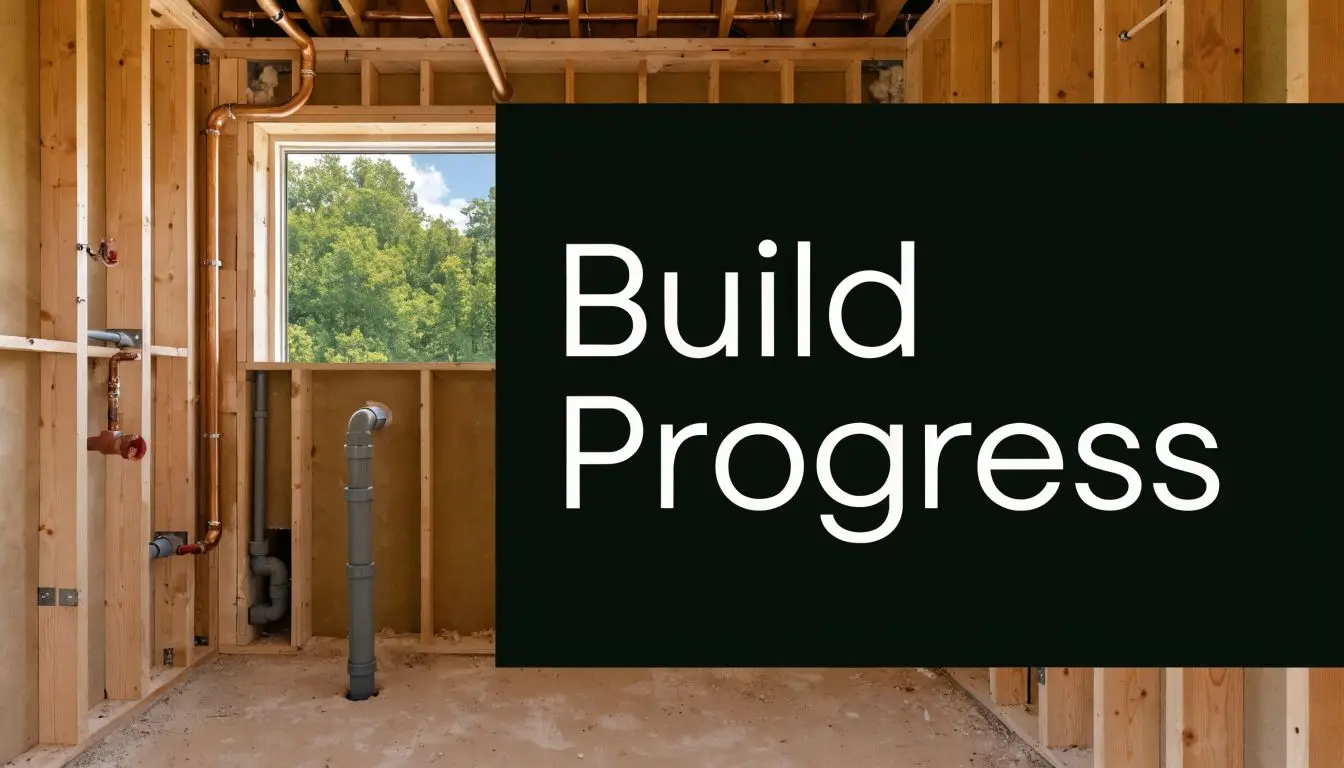
The first physical stage is usually demolition or strip-out, if the new bathroom is going into an existing room, part of a laundry, a garage conversion, or an upstairs rework. Once the room is opened up, the condition of the house becomes clear. I often find floor levels out by more than expected, old pipework in the wrong spot, or framing that needs repair before any new work starts.
From there, the structure and services get set in place.
- Framing: new walls, door openings, shower hobs, wall niches, and any structural changes are built to the approved layout
- Plumbing rough-in: water, waste, and drainage points are set before the room is lined
- Electrical rough-in: lighting, switches, power, heated rails, and exhaust wiring are positioned before surfaces are closed
This stage gives the builder one of the last chances to catch layout issues cheaply. A shifted waste point or a niche that clashes with pipework is manageable here. It is expensive once waterproofing, tile, and fit-off have started.
The waterproofing checkpoint
Waterproofing is the part of the job that deserves the least guesswork. Industry data consistently shows that a large share of bathroom rectification work comes back to moisture ingress. In practice, that means small mistakes at junctions, penetrations, and floor-to-wall transitions can lead to major repair work later.
In Victoria, wet area waterproofing needs to suit the substrate, the room layout, and the intended use of the space. The membrane system matters, but so does the preparation underneath it. If the floor is uneven, the falls are wrong, or the sheeting is not installed properly, the membrane is already starting from a weak position.
Rushing this stage is one of the costliest mistakes on a bathroom addition.
The finishing sequence
Once rough-ins are checked and waterproofing has cured, the room starts to look like a bathroom. The order still matters.
- Wall linings and floor preparation
- Tiling and grout
- Cabinetry, toilet, shower fittings, tapware, and screens
- Electrical fit-off
- Painting, sealing, testing, and final adjustments
This is also the point where poor planning becomes obvious. A vanity can crowd a doorway. A shower screen can leave too little clearance. A towel rail can end up fighting for the same wall space as a switch plate. Good documentation reduces that, but site checking still matters because older Melbourne homes rarely give perfectly square rooms or level floors.
If you want a realistic sense of timing between rough-in, waterproofing, tiling, and fit-off, this guide on how long a bathroom remodel should take helps set expectations.
Small build choices that make a big difference
A lot of value gets decided before the taps go on. If the room might need easier access later, frame for it now. A wider doorway, a hobless shower, or noggings for future grab rails cost far less during construction than after the bathroom is finished.
Other choices that usually pay off are straightforward:
- Recessed niches to keep storage off the floor area
- Wall-hung vanities where every millimetre counts
- Cleaner shower detailing to reduce maintenance
- Stronger mechanical ventilation in internal or low-airflow bathrooms
- Simple alignment of fittings and fixtures so the room feels deliberate and balanced
A good bathroom addition is built in layers. Each layer has to be right before the next one starts. That is how you get from bare frame to finished taps without paying twice for the same work.
Choosing Your Builder and Finalising Your Design
The builder you choose will shape the outcome as much as the budget or the plan. A bathroom addition asks for more than decent workmanship. It needs coordination. The room has to be designed properly, documented clearly, built in the right order, and handed over without unresolved compliance issues.
That's why homeowners should spend more time vetting the builder than choosing feature tiles.
What to ask before signing
The basics matter. Ask whether the builder is appropriately registered, fully insured, and experienced with structural bathroom additions rather than cosmetic bathroom renovations alone. Then go further.
Ask how they handle:
- Documentation and approvals
- Trade sequencing
- Waterproofing responsibility
- Variations and cost changes
- Communication during the build
- Defect management after completion
You're looking for clarity, not charm. A strong builder can explain the build pathway in plain language.
Why design should be locked in early
Many expensive problems don't come from bad construction. They come from unfinished decisions. A homeowner changes the vanity width once plumbing is roughed in. The shower screen conflicts with a light switch. The wall niche lands in the same space as pipework. Suddenly the build is absorbing changes that should have been solved before work started.
That's where detailed visual planning helps. Internal project data from more than 50 Victorian bathroom projects shows that 3D modelling can cut mid-project changes by up to 25%, making budgets and timelines more reliable. That's the strongest argument for resolving layout, fixture positions, and joinery before demolition begins.
The difference between a quote and a build plan
A cheap quote can hide a vague scope. A better quote usually reflects better thinking. It shows what is included, what assumptions have been made, and where allowances sit. That clarity matters most on bathroom additions because small omissions become expensive once walls are opened.
If you want a project that feels organised from the start, work with a team that handles the process end to end. SitePro Bathrooms does exactly that, from concept and 3D planning through construction and handover. If you're ready to price your project properly, you can request a tailored bathroom renovation quote from SitePro Bathrooms.
Frequently Asked Questions About Bathroom Additions
Is adding a bathroom worth it in Victoria
Usually, yes, if it fixes a real problem in the way the home works.
A second bathroom often makes the biggest difference in older Melbourne homes with one original bathroom and a growing family, regular guests, or a main bedroom that would benefit from an ensuite. In resale terms, buyers respond well to practical improvements they can use straight away. The best return usually comes from adding the right bathroom in the right spot, not from overspending on finishes that do not suit the area or the house.
Is it better to convert space or build an extension
If you have usable internal space, a conversion is often the simpler and cheaper option. Converting part of a laundry, rear hallway, oversized bedroom, or underused study can reduce structural work and keep approval pathways more straightforward.
An extension can still make sense, especially if the existing floorplan is already tight. But once you push outside the current building envelope, costs usually rise fast. Footings, external walls, roofing, stormwater, setbacks, and site access all start to matter more, and in Victoria that can also mean a more involved permit process.
Can I add a bathroom in an apartment
Sometimes, but apartment bathrooms are rarely simple.
The main limits are strata approval, waterproofing requirements, acoustic treatment, and where existing waste pipes and water services run. If the proposed bathroom sits a long way from the stack, the design may need reworking or the project may stop making financial sense. In older blocks around Melbourne, that question comes up a lot.
How do I know if the layout is workable
A workable layout needs more than fittings that physically fit on paper. It needs enough clearance to use the room comfortably, practical door swings, proper ventilation, compliant waterproofing details, and plumbing runs that can be built without creating bigger problems elsewhere.
If the toilet is jammed behind a door, the vanity has no useful storage, or the shower only works with custom compromises everywhere, the plan needs more work.
What's the biggest mistake homeowners make
Committing to the idea before testing the site.
The expensive mistakes usually start with assumptions. Homeowners see an unused corner and assume it can take a bathroom. Then the floor wastes do not fall the right way, the wall carries load, the ceiling space is too tight for exhaust ducting, or a permit issue appears late. In Victoria, those details matter early. A quick feasibility check saves far more than it costs.
If you're planning on adding a bathroom in Highett or anywhere across greater Melbourne, the smartest first step is a proper site-based assessment. SitePro Bathrooms can help with design, layout planning, 3D visualisation, construction, and a clear quote that matches the actual conditions of your home.