

If you're reading this, there's a fair chance your kitchen is still “working” on paper but frustrating you every day in real life. The drawers catch each other. The dishwasher door blocks the walkway. The power points are never where you need them. In many Melbourne homes, especially older ones, the kitchen wasn't designed for the way families live now.
That frustration often starts in the kitchen and then spills into the rest of the house. Once you notice the cramped layout, dated finishes, or poor storage in one room, you start seeing the same problems in the bathroom, laundry, and hallway too. That's why the search for kitchen designers in Melbourne often turns into a bigger question. Who can help plan the whole renovation properly, without turning it into a drawn-out mess?
A good renovation partner doesn't just make a kitchen look better. They solve movement, storage, lighting, services, and sequencing. If they also understand bathroom renovations, modern bathrooms, designer bathrooms, and practical new bathroom ideas, you get a more consistent home and a simpler project overall.
Is It Time for a Kitchen Transformation
A typical Melbourne brief sounds like this. The kitchen is too dark. The pantry is too shallow. Two people can't move through the room without bumping into each other. The appliances were replaced over time, so nothing aligns properly anymore. In older weatherboard, brick, and period homes, the layout often belongs to another era.
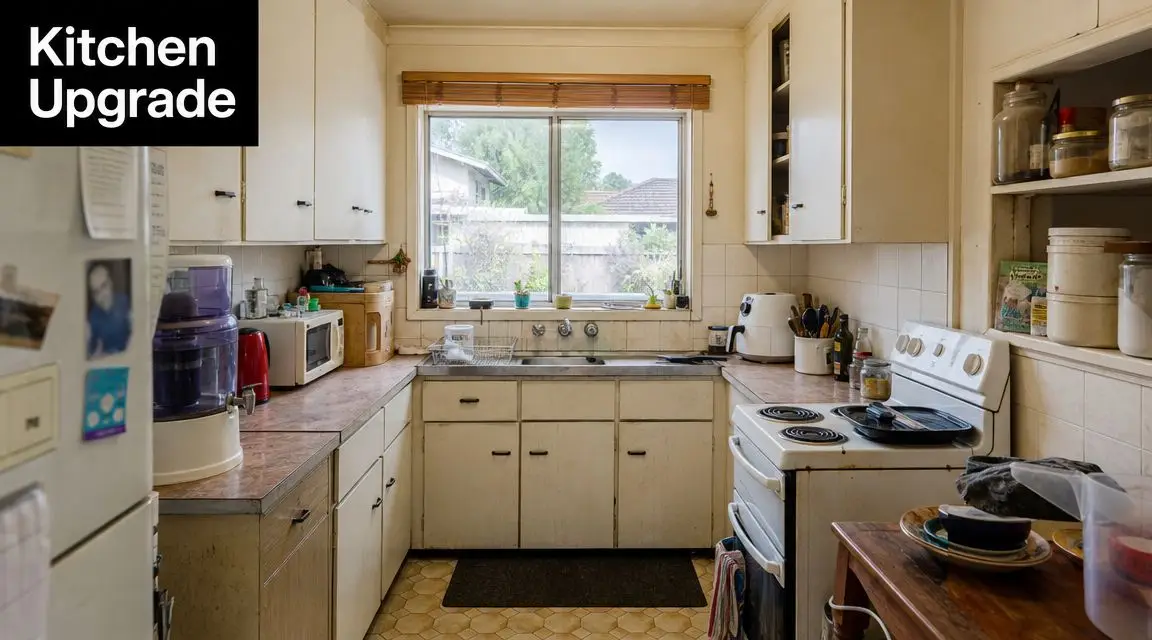
That doesn't mean every kitchen needs a complete gut renovation. Some need better planning more than they need expensive finishes. A kitchen can look new and still function badly. It can also look modest and work brilliantly. The point of bringing in a professional is to separate what's cosmetic from what's holding the room back.
Signs the problem is layout, not just style
You probably need design input if any of these sound familiar:
- Traffic jams happen daily: People collide around the fridge, sink, or cooktop because the room has no clear circulation.
- Storage exists but doesn't work: Corner cupboards are dead space, overheads are hard to reach, and drawers don't suit what you own.
- The room fights the house: The kitchen feels disconnected from dining, outdoor entertaining, or family supervision.
- Light is poorly used: Benches sit in shadow while the brightest part of the room is wasted.
- Updates have been piecemeal: New appliances, old cabinetry, mismatched plumbing points, and no overall plan.
A renovation should remove daily friction. If the same annoyance shows up every morning and every evening, it's a design problem.
There's also a broader market reason this work remains steady. The Australian Bureau of Statistics reported that owner-occupier alterations and additions were valued at approximately A$11.4 billion in 2023–24, which shows how substantial the renovation market is that supports kitchen design work in Melbourne and Victoria, as noted in this Australian renovation market overview.
Why the kitchen decision often becomes a whole-home decision
Homeowners rarely stop at one room once they start planning seriously. If the kitchen cabinetry is tired, there's a good chance the bathroom vanity, shower layout, or storage planning is dated too. Coordinating both spaces at once can help with finish selection, scheduling, and overall design consistency.
That doesn't mean both rooms must be renovated together. It means you should hire with the bigger picture in mind. A team that understands kitchen planning and bathroom renovations can help you decide what to stage now, what to defer, and how to avoid choices in one room that create clashes in the next.
Designer or Builder Who Should You Call First
Most homeowners ask the same question at the start. Do you call a designer first, or a builder first? The answer depends on what kind of help you need and how much uncertainty is still in the project.
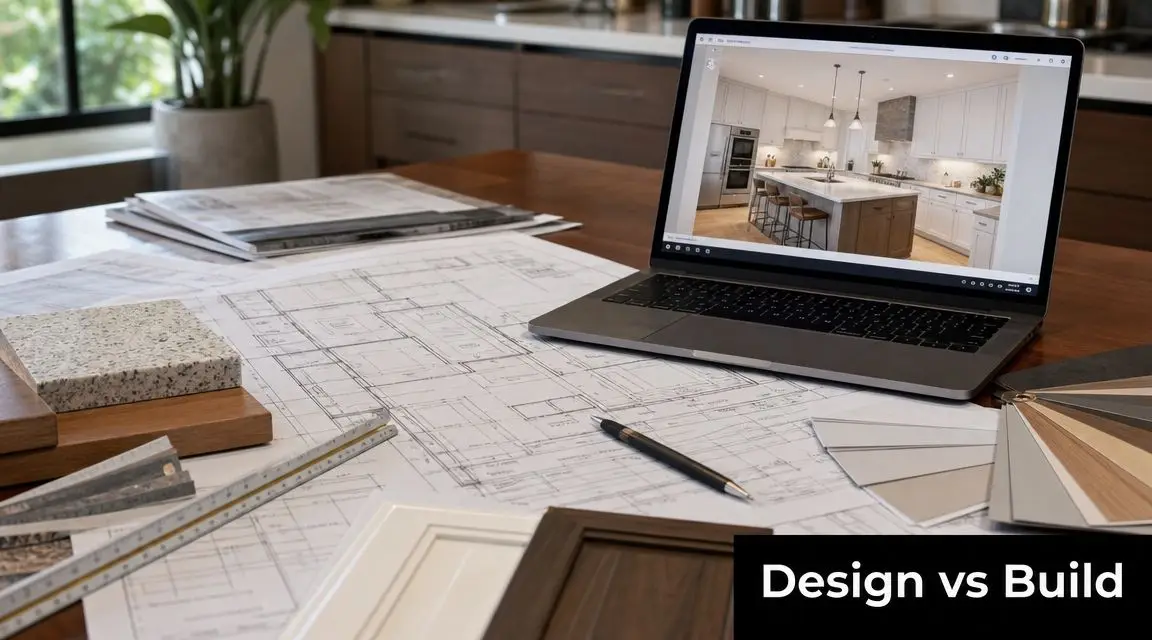
A designer focuses on layout, proportions, storage, finishes, fixtures, and how the room will feel to use. A builder focuses on construction, trades, site conditions, sequencing, and delivery. Both matter. The problem starts when they're disconnected.
When a designer-only service makes sense
A standalone designer can be the right first call if:
- You need clarity before committing: You're still testing layouts or deciding whether the renovation is worth doing.
- You want concept development: You need drawings, finish direction, and a better brief before pricing.
- Your scope is still moving: You haven't decided whether the project includes walls, windows, or adjoining spaces.
That path can work well, but only if the design is grounded in how the room will be built.
Why integrated design and construction usually runs better
For most full renovations, an integrated model is cleaner. The designer develops ideas that a construction team can price, sequence, and build properly. That reduces the classic problem of a beautiful plan that turns out to be too complex, too expensive, or too dependent on site conditions no one checked early enough.
This matters even more if the company includes registered builders unlimited and can manage the build responsibility as well as the design intent. Homeowners get one conversation about layout, one process for revisions, and one accountable team when questions come up during demolition, rough-in, joinery, and fit-off.
Practical rule: If walls may move, services may relocate, or the kitchen links to bathroom upgrades, choose a team that can design and build under one roof.
A useful starting point is reviewing an end-to-end renovation process such as this guide on how to remodel a kitchen. It helps you see how planning, selections, and construction need to connect from day one.
The simplest way to decide
Use this filter:
| Situation | Best first call |
|---|---|
| You need ideas and layout options | Designer |
| You already have drawings and want build pricing | Builder |
| You want one team to own concept through completion | Design-build firm |
| You're considering kitchen and bathroom renovations together | Integrated renovation team |
When searching kitchen designers Melbourne, the safest route isn't picking design over construction. It's choosing a process where neither gets separated from the other.
Reading a Portfolio and Understanding Services
A kitchen portfolio should help you answer one question. Can this team solve the kind of problems your house is likely to present?
In Melbourne, that matters more than homeowners expect. A polished gallery can hide the hard part. Older brick homes, narrow terraces, post-war layouts, and apartments with fixed services all put pressure on the design. The useful portfolios show how those constraints were handled, not just how the finished kitchen photographed.
When I review kitchen work, I look for build decisions hiding in plain sight. Fridge location. Clearances at the island. How a pantry was fitted into an off-square room. Whether overheads stop short of a bulkhead cleanly or look like they were forced in late. Those details tell you whether the designer understands renovation work, or only styling.
What a strong portfolio actually proves
The best project sets show reasoning. You should be able to see why the layout changed and what improved for the household.
- Small footprints treated realistically: Tight kitchens need proper aisle widths, workable landing space near appliances, and storage that does not crowd the room.
- Older-home constraints resolved properly: Melbourne homes often come with uneven walls, ceiling drops, chimney breasts, odd window heights, or floor level changes. A capable designer plans around these conditions early.
- Lighting tied to function: Good kitchens show task lighting over prep areas, practical general lighting, and fixture choices that suit the ceiling height and room shape.
- Storage based on use: Deep drawers, bin placement, broom cupboards, tray storage, and pantry access matter more than a long list of finishes.
- Connection to adjoining rooms: If the kitchen sits beside a laundry, powder room, or family bathroom, the design should show some logic across the whole renovation, especially where plumbing runs, flooring transitions, and material choices overlap.
That last point is easy to miss. Homeowners looking for kitchen designers in Melbourne are often planning more than one room, even if they start with the kitchen. A portfolio that includes both kitchens and bathrooms can be useful because it shows whether the team can carry the same practical thinking across wet and dry areas of the home.
Trend awareness matters less than judgment
A current-looking portfolio is fine. Judgment matters more.
Many finishes photograph well and date quickly. Some layouts look generous in wide-angle images and feel cramped on site. A large island can improve prep space and family seating, but in a Victorian or weatherboard extension it can also create a bottleneck between the cooktop, fridge, and rear door. Pale cabinetry can brighten a dark room, but in a busy family home it may show knocks, fingerprints, and cleaning wear faster than owners expect.
Good designers explain those trade-offs. They do not apply the same solution to every house.
What to check on the service list
Service pages often sound similar, so translate each item into what you will receive during the renovation.
| Service | What it means for you |
|---|---|
| 3D design visualisation | You can test layout, sightlines, appliance positions, and proportions before joinery is ordered |
| Material and finish selection | Finishes are chosen with durability, cleaning, cost, and lead times in mind, not only colour |
| Project management | Trades, deliveries, sequencing, defects, and site questions are handled through one process |
| Permit guidance | You get advice on whether structural changes, plumbing moves, or building work need further documentation |
| Joinery documentation | Cabinetmakers work from clear dimensions and details, which reduces site fixes and variation costs |
Ask one more practical question. What is excluded?
Some design services stop at concept drawings. Others include selections but not site measures, or documentation but not coordination with trades. If you are also considering a bathroom update, check whether the same team can align tile selections, plumbing decisions, waterproofing interfaces, and storage planning across both spaces. That usually saves time and prevents the common problem of a new kitchen that feels disconnected from the rest of the renovation.
Material guidance is another area where the service list should be specific. Cabinet finishes, benchtops, and internals all wear differently in kitchens and bathrooms, so it helps to review a practical resource on kitchen cabinet materials and how they perform in daily use.
A portfolio should leave you with more than ideas. It should give you confidence that the designer can handle an older Melbourne home, document the work properly, and carry the renovation logic beyond one room.
Key Questions for Vetting Melbourne Designers
Once you've narrowed your shortlist, the consultation matters more than the gallery. During this meeting, you determine whether the person in front of you can manage a Melbourne renovation, not just discuss one well.
The strongest conversations are specific. You want to hear how they measure, how they document, how they handle revisions, and what happens when an old house reveals something unpleasant after demolition.
What to listen for in the first meeting
A good designer should ask detailed questions about how you live. Not broad lifestyle talk. Useful questions. Who cooks most often. Whether kids need breakfast seating. Whether you bulk-buy groceries. Whether you want appliances hidden or accessible. Whether the bathroom next door is likely to be renovated later and might affect plumbing strategy.
They should also talk clearly about site constraints. In Melbourne homes, those can include uneven walls, floor levels, access issues, old services, and adjoining rooms that don't align neatly.
Essential questions for your designer consultation
| Category | Question to Ask |
|---|---|
| Layout | How do you test circulation before finalising the design? |
| Appliances | At what stage do you lock appliance models and dimensions? |
| Storage | How do you decide what should be drawers, shelves, pantry space, or overheads? |
| Buildability | What parts of my brief are likely to create construction challenges? |
| Budget control | How do you keep selections aligned with budget during design? |
| Variations | How do you handle changes once work has started? |
| Older homes | What do you check first in period or irregular Melbourne homes? |
| Documentation | What drawings and schedules will I receive before construction? |
| Site management | Who is my point of contact once work begins? |
| Bathrooms | If I renovate a bathroom later, how do we avoid clashing finishes or duplicated work? |
One technical question that reveals a lot
Ask this directly: How do you validate the plan before ordering cabinetry?
If the answer is vague, be cautious. A key validation step before ordering cabinetry is to check the design against appliance-door swings and drawer overlaps, because poor placement and insufficient counter space are among the biggest functionality failures in kitchen renovations, as outlined in this kitchen planning mistakes guide.
That check sounds simple, but it tells you a lot about the designer's process. Serious teams don't stop at a plan view. They test exact appliance sizes, opening arcs, clearances, and movement paths before manufacturing starts.
If the fridge door opens into the main prep zone or two drawers collide, the issue wasn't bad luck. It was missed in design.
Red flags worth noticing early
Some warning signs are less obvious than bad communication. Watch for these:
- They speak only in finishes: If every answer comes back to colour, stone, or tapware, they may be weak on function.
- They avoid discussing constraints: Experienced designers know old homes are full of surprises. They won't pretend otherwise.
- They can't explain sequencing: If they can't walk you through demolition, rough-in, joinery, and fit-off in plain language, handover may be messy.
- They overpromise on certainty: Good operators are confident, but they don't pretend hidden conditions never exist.
How to compare two good candidates
If both seem capable, compare them on process, not personality alone. The better choice is usually the one who gives clearer answers on documentation, appliance integration, storage planning, communication during site works, and how kitchen decisions may affect future bathroom upgrades.
That's especially relevant if you're trying to create a consistent renovation across the home rather than treating each room as a separate style exercise.
Budgeting Your Melbourne Kitchen Renovation
A Melbourne kitchen budget usually shifts the moment walls are opened or measurements get serious. A 1930s home with uneven walls, a narrow rear extension, or an old laundry beside the kitchen will price very differently from a newer apartment, even if the finishes look similar on a mood board.

The clearest way to budget is to group the project by scope. That gives you a more reliable starting point than asking for one flat figure before anyone has checked services, access, or structural limits.
Three scope levels that affect price
- Cosmetic refresh: Keeping the layout and services largely where they are, while updating visible finishes and selected components.
- Full replacement: Removing the existing kitchen and installing a new layout with new cabinetry, fixtures, surfaces, and appliances.
- Custom reconfiguration: Reworking walls, openings, services, or adjoining spaces to improve the whole floorplan.
Each step up adds more than materials. It adds labour, approvals, trade coordination, lead time, and the chance of uncovering hidden issues once demolition starts.
What usually pushes the price higher
Higher budgets often come from complexity, not from one luxury item. In Melbourne homes, the common culprits are older structures, tight footprints, and rooms that were never designed for modern appliances or storage.
| Cost driver | Why it matters |
|---|---|
| Custom cabinetry | Non-standard sizes, fillers, panels, and internal accessories take more labour and planning |
| Service relocation | Moving plumbing, electrical, or gas changes both trade scope and sequencing |
| Structural work | Openings, wall changes, and support requirements add approvals and site complexity |
| Finish sensitivity | Some materials require more careful handling, templating, or installation |
| Access conditions | Tight entries, upper levels, and occupied homes slow delivery and installation |
Irregular floorplans deserve special attention. Older Melbourne houses often have out-of-square walls, chimney remnants, boxed-in pipes, or awkward transitions into dining rooms and laundries. Those details usually mean more custom joinery, more site checking, and less room for pricing shortcuts.
If the bathroom is part of the wider renovation plan, mention it while the kitchen budget is being built. Shared plumbing walls, tile selections, waterproofing schedules, and trade bookings can affect the overall cost and the order of works. Pricing both spaces with one renovation plan often gives a clearer picture of where to spend and where to hold back.
Why timelines move
Budget and timing are tied together. A project with slow selections, late appliance decisions, or changes after cabinetry has been ordered will usually cost more to deliver.
The shortest build programs come from firm decisions made early.
That applies before site work starts and during it. Long-lead tapware, stone re-selection, hidden water damage, and electrical upgrades can all stretch the program. In occupied homes, timing also depends on how much temporary kitchen access the household needs and whether bathroom works are happening at the same time.
For a practical benchmark, this cost of a new kitchen guide helps frame likely scope and spending ranges. Use it as a planning tool, then test the numbers against your actual layout, your home's age, and any bathroom work you want bundled into the renovation.
Preparing to Request Your Renovation Quote
A strong quote starts with a strong brief. If you ask three renovation companies for pricing but give each of them a different version of your project, the numbers won't be comparable and the process will feel confusing from the start.
The goal isn't to produce architectural drawings yourself. It's to give enough clarity that the designer or builder can respond accurately and spot issues early.
What to prepare before the first call
Bring practical information, not just inspiration screenshots.
- Must-haves first: List what the room must solve. Better pantry storage, a wider prep zone, easier cleaning, a bath-to-shower conversion, or stronger lighting.
- Nice-to-haves second: Add the items you'd like if budget and layout allow.
- Rough measurements: Room size, window positions, door swings, and any obvious ceiling bulkheads or nib walls.
- Appliance intentions: Note what you're keeping, replacing, integrating, or upsizing.
- Daily-use notes: Explain how the household cooks, stores food, entertains, and uses adjoining spaces.
Think beyond the kitchen while the planning is fresh
If your ensuite, main bathroom, or powder room is also dated, mention it early. Even if you stage the work, it helps to know whether the same renovation partner can coordinate kitchen and bathroom renovations under one planning approach. That's where new bathroom ideas become more than a wishlist. They become part of a sensible long-term plan for the house.
This also helps if you want cohesion between kitchen finishes and modern bathrooms without making every room look identical. The best results usually share a design language, not a repeated formula.
What a productive quote request sounds like
A useful enquiry is clear and specific. It explains the house type, the suburb, the broad scope, whether layout changes are likely, and whether you want kitchen-only work or a combined kitchen and bathroom pathway.
You don't need polished terminology. You do need honesty about priorities. If storage matters more than a statement island, say so. If the family bathroom is the next stage, mention it. If you're worried about managing trades yourself, make that clear from the outset.
If you're ready to speak with kitchen designers in Melbourne, prepare your brief around function first, style second, and sequencing throughout. That approach leads to better layouts, cleaner pricing, and fewer surprises once work begins. A renovation company that handles both kitchens and bathrooms can then assess whether your project is best tackled in one stage or as a planned series of upgrades, with one coordinated design direction across the home.