

Laundries In Bathrooms: Layouts, Costs & VIC Rules
If you're standing in a bathroom wondering where a washing machine could possibly go without turning the room into a squeeze point, you're not alone. In Highett and across Melbourne’s tighter blocks, the old separate laundry often feels like wasted floor area in one room and missing function in another.
That’s why laundries in bathrooms keep coming up in renovation briefs. Homeowners want one space that works harder, looks cleaner, and doesn’t feel like a compromise. Done well, a combined layout can make everyday use easier, sharpen resale appeal, and give older homes a far more organised footprint. Done badly, it creates noise, damp, awkward circulation, and compliance headaches hidden behind tiles.
Why Combining Your Laundry and Bathroom Is a Smart Move
You see the same problem in a lot of Melbourne renovations. The bathroom is tight, the old laundry is stuck in a lean-to or back passage, and both rooms waste space in different ways. One is too small to work properly. The other takes up floor area without adding much value to daily use.
Combining them can fix that.
In older Victorian homes around Highett and the bayside suburbs, it often makes more sense to build one well-resolved wet area than keep two underperforming rooms. Grouping the bathroom and laundry together can shorten plumbing runs, reduce duplicated joinery, and free up area for storage or circulation elsewhere in the house. That matters on compact blocks and in homes where every square metre has to earn its keep.
The value is practical before it is cosmetic. A combined room can make washing, bathing, linen storage, and cleaning products easier to manage in one location. It also removes the need to walk baskets through living areas or maintain a second service room that is cold, dated, or poorly ventilated.
In Victoria, the main advantage is often in the buildability.
I regularly see DIY plans and builder-drafted layouts that look efficient on paper but ignore what the room needs to comply and last. A laundry inside a bathroom changes the demands on waterproofing, ventilation, drainage falls, appliance clearances, power locations, and service access. If those items are treated as an afterthought, the room becomes harder to certify, harder to maintain, and more expensive to fix once the tiling is finished.
Why it works in real homes
The best combined rooms solve two problems at once. They improve function now, and they simplify the floor plan for the long term. Instead of splitting storage, wet services, and cleaning tasks across separate rooms, the house gets one organised utility zone that is easier to heat, clean, and use.
That does not mean every home should combine them. In larger family homes with enough width for a proper walk-through laundry, keeping the spaces separate can still be the better call. But in many post-war and mid-century homes across Melbourne, especially where the existing laundry is an add-on with poor insulation or awkward levels, combining the spaces is often the cleaner renovation move.
Practical rule: A bathroom laundry should still read as a bathroom first. The laundry function should be integrated into joinery, not left visually exposed as the dominant feature.
A good result usually comes from restraint. Keep the appliance setup simple. Give the washer and dryer proper ventilation and service access. Make sure wet-zone detailing is resolved before cabinetry is drawn. That approach produces a room that looks calm and works hard.
Better use of space, with fewer hidden problems
The old assumption was that a bathroom laundry was a compromise made only in small apartments. That is not how I see it on site. In many Victorian renovations, it is a deliberate design decision that gets rid of wasted circulation and improves how the home works every day.
It also forces better discipline early in the project. Once a washing machine, vanity, shower, toilet, storage, and door swings share one room, poor planning shows up fast. That pressure is useful because it exposes structural limits, service conflicts, and compliance risks before they turn into site variations.
Handled properly, a combined bathroom laundry is not a fallback. It is a tighter, more efficient solution that suits many Melbourne homes far better than the original layout ever did.
Planning Your Perfect Bathroom Laundry Layout
A layout can look fine on a floor plan and still fail once the room is built. I see this often in Melbourne renovations, especially in older brick homes where wall thickness, uneven floors, and tight existing drainage points limit what can go where. The right layout is the one that works with those conditions, not against them.
Start with circulation and servicing, not cabinetry. In a combined bathroom laundry, people still need to enter the room, use the vanity, access the shower, and open the machine without turning sideways or stepping around doors. In Victoria, that also means allowing enough room to keep power points, switches, and joinery clear of wet areas, while making sure waterproofing and drainage are resolved before the cabinet maker starts drawing up panels.
In compact rooms, the cleanest solution is usually a concealed laundry cupboard. In larger rooms, a full wall of joinery can work well if it does not dominate the bathroom or crowd the fittings. The exact footprint depends on the appliance model, wall construction, ventilation path, and door clearances, so I prefer to measure the selected machines first and build the joinery around real dimensions rather than generic allowances.
Bathroom Laundry Layout Comparison
| Layout Type | Typical Footprint (W x D) | Pros | Cons |
|---|---|---|---|
| Stacked in a cupboard | Tall cabinet zone sized to the selected appliances | Preserves floor area, easier to conceal, suits tighter rooms | Needs careful ventilation, service access, and cabinet depth planning |
| Side-by-side under bench | Full bench run along one wall | Gives usable bench space, easier loading and unloading | Uses more wall length and can make the room feel joinery-heavy |
| Washer-dryer combo in joinery | Single appliance bay within a tall or under-bench cabinet | Reduces appliance count and simplifies the layout | Longer cycle times and less flexibility for larger households |
What works best in smaller bathrooms
For small and medium bathrooms, stacked units usually give the best result because they protect the clear path through the room. That matters once the vanity projection, toilet set-out, shower screen, and open appliance door are all shown properly.
Side-by-side layouts suit wider rooms or renovations where one long wall can carry the vanity, machines, and storage without making the room feel flat. They are easier to live with day to day, but they demand more discipline in the design. If the bench line is too long or too deep, the bathroom starts reading like a laundry with a shower added to it.
A combo machine can be the right call in apartments and smaller townhouses where space is tight and service routes are limited. I only recommend that path after checking how the household washes. A neat plan on paper means very little if the machine setup frustrates the people using it every day.
The questions that should be settled before demolition
These are the checks I would lock in before any wall linings come off:
- Door swings: The bathroom door, shower screen, appliance door, and cupboard doors must all open without conflict.
- Standing space: Allow enough room to load the machine and stand at the vanity comfortably.
- Hamper position: Give baskets a proper landing spot so they do not block the toilet or walkway.
- Wet-zone separation: Keep detergent, GPO locations, and appliance controls outside the main splash areas.
- Service access: Taps, traps, power, and shut-offs need to stay accessible after the joinery is installed.
- Wall capacity: In older Victorian homes, check whether the wall can take recessed services or stacked appliance loads without extra framing.
If the room only works when every door is closed and no one is using the vanity, the layout is not resolved.
Why 3D planning matters
I rely on 3D layouts for this type of renovation because they expose problems early. You can test appliance depth against vanity depth, overhead cupboard height, mirror placement, and the line of sight from the doorway before any waterproofing starts.
That matters even more in Victorian homes, where existing walls are rarely as straight or as generous as the original sketch suggests. A few millimetres lost to render, battens, or wall correction can affect machine clearance, cabinet door operation, and compliance around fixtures. Sorting that out in design is far cheaper than rebuilding joinery or shifting services after rough-in.
Choosing the Right Appliances for a Bathroom Laundry
Appliance choice drives more than convenience in a bathroom laundry. It affects moisture load, cabinet detailing, service access, and whether the room performs properly once the door is shut.
I usually narrow it to three workable setups. A stacked washer and dryer, a side-by-side pair, or a combo unit. The right answer depends on the household’s wash volume, the room width, and how much ventilation and service space the build can support under Victorian requirements.
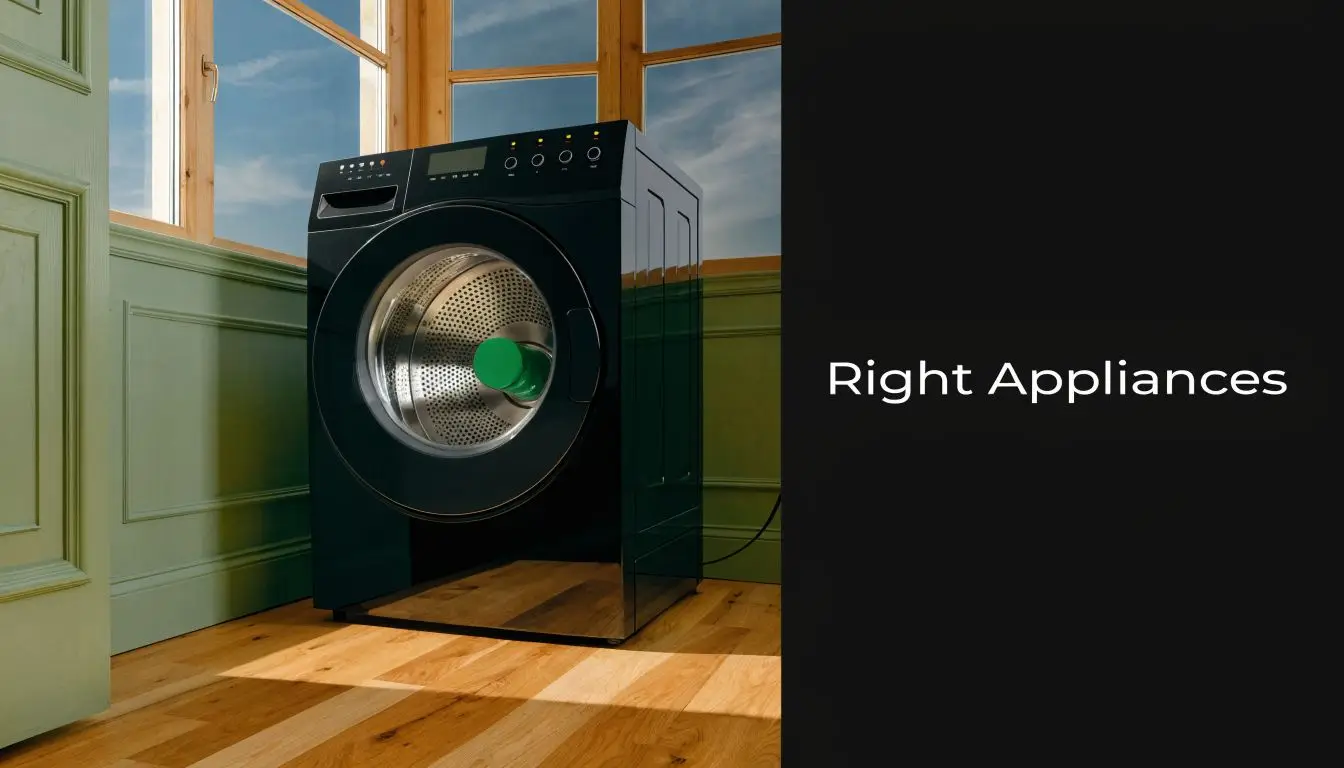
Dryer type matters more in a bathroom
Dryer selection causes more problems than the washing machine. In a dedicated laundry, a poor dryer choice is inconvenient. In a bathroom, it can add condensation, affect waterproofed finishes, and create defects that are expensive to rectify later.
Heat pump dryers usually suit these rooms better because they do not rely on the same external venting approach as a vented unit. They also tend to make more sense where the appliance is being concealed in joinery and the room already has shower steam to manage. The trade-off is purchase price, longer cycle times on some models, and tighter manufacturer clearance requirements around the cabinet.
Vented dryers are the units I treat cautiously in bathrooms. If the duct run is too long, poorly terminated, or squeezed into a wall that was never framed for it, performance drops and moisture ends up where it should not. In older homes around Highett and across Melbourne bayside suburbs, that is often where DIY planning comes unstuck. The appliance may fit on paper, but the wall cavity, ceiling path, or external discharge point does not.
For Victorian compliance detail, I always check appliance selection against the service design and the relevant bathroom renovation regulations in Victoria before joinery is finalised.
A practical appliance checklist
Before ordering the machine, check these points:
- Overall depth, not brochure depth: Allow for hoses, taps, plugs, drainage bends, and the ventilation space required by the manufacturer.
- Door swing and user clearance: The appliance door needs to open fully without hitting a vanity, toilet, or shower screen.
- Dryer technology: Heat pump, condenser, and vented units behave differently. The wrong type can load the room with moisture or force awkward ducting.
- Noise and vibration: This matters in ensuites, apartments, and homes with lightweight timber floors where spin cycles can travel through the structure.
- Stacking suitability: Not every washer and dryer pair can be safely stacked, and the cabinet needs fixing points and tolerance for movement.
- Maintenance access: Filters, isolation taps, traps, and power points must remain accessible after the cabinetry goes in.
- Finish and controls: If the appliance sits in view, the fascia, handle profile, and control layout should suit the rest of the bathroom joinery.
What tends to work, and where the compromises sit
A stacked pair usually gives the best result for families who run frequent loads and want one load drying while the next is washing. It uses height instead of floor area, which is often the smarter trade in a compact bathroom. The catch is structural and joinery coordination. The wall, cabinet carcass, and fixing method all need to be planned properly so the installation stays stable and serviceable.
A side-by-side pair works well in larger rooms where there is enough bench length above for folding and storage. It is easier to access and often simpler to maintain. It also uses more wall space, which can put pressure on vanity width or linen storage.
A combo unit suits low to moderate laundry demand where concealment and space saving are the top priorities. It keeps the room tidy and reduces the number of service connections. The compromise is throughput. One machine cannot process back-to-back family loads as efficiently as separate appliances.
The best appliance is the one that fits the room, the framing, and the service design you can build to standard the first time.
Navigating Plumbing Electrical and Waterproofing Needs
A bathroom laundry can look straightforward on the plan. The problems usually start once the wall is opened up. In Highett and across Melbourne’s older housing stock, I regularly see shallow framing, awkward floor levels, dated wiring, and pipe runs that were never designed to carry both bathroom and laundry services in one room.
That is where DIY jobs and general bathroom fit-outs often come unstuck. The room still has to satisfy wet-area requirements, electrical safety rules, drainage falls, ventilation needs, and access for maintenance after the cabinetry goes in. If those decisions are left until rough-in, the fix is usually more framing, more patching, and a more expensive job.

Plumbing behind the wall
A combined room only works if the service wall is designed for the pipework from the start. In many Victorian renovations, that means checking stud depth, drilling zones, nogging positions, and whether the existing wall can carry waste, water, and vent connections without weakening the structure.
The common mistake is trying to force laundry drainage into a wall or floor zone that does not have enough room for compliant falls and fittings. Builders then start notching or over-drilling timbers to make it fit. That can create a structural problem and a plumbing problem in the same spot.
For this kind of work, I set the layout around the services early. The washing machine location, trap position, isolation taps, and any dryer duct route need to be resolved before the room is sheeted. In apartments and townhouse work, penetrations and discharge points also need closer checking because body corporate rules, fire separation, and existing slab conditions can limit what is possible.
Electrical and ventilation
Power in a bathroom laundry needs proper circuit planning by a licensed electrician. This is a wet area with high-load appliances, heat, steam, and metal fixtures in close proximity. Power point placement, appliance supply, switching, and safety protection all need to suit the room layout and the relevant Australian rules.
Ventilation is where a lot of combined rooms underperform. A fan sized for shower moisture alone may not be enough once the room is also handling washing, drying, and closed cupboard spaces around appliances. If the dryer is ducted, the path has to be short, serviceable, and installed to the manufacturer’s requirements. Long flexible duct runs are one of the first things I look for on problem jobs.
Poor extraction shows up fast. Condensation sits on mirrors and ceilings, cabinet interiors stay damp, and mould starts in the corners or behind joinery.
Waterproofing has to allow for appliance risk
In a bathroom laundry, waterproofing is not limited to the shower zone. The floor and wall junctions need detailing that accounts for routine bathroom moisture and the kind of leaks laundries produce, such as hose failures, loose waste connections, or an overflowing machine tray.
Victorian compliance matters here. Wet area work should align with NCC requirements and AS 3740, and any plumbing and electrical work must be carried out by licensed trades to the applicable standards. For strata and apartment projects, Victorian bathroom renovation regulations are worth checking early because shared walls, waterproofing interfaces, penetrations, and approvals can affect the design before demolition even starts.
I also want service points left accessible wherever the layout allows. Hidden taps, inaccessible traps, and power points buried behind fixed joinery turn a small maintenance issue into a cabinet removal job.
What I insist on getting right
These are the items I treat as required on a bathroom laundry build:
- Framing and set-out that suit the actual pipework and ducting, rather than cutting timbers to rescue a bad layout.
- Licensed plumbing and electrical design, with appliance loads, outlet locations, and wet-area safety resolved before rough-in.
- Mechanical ventilation sized for how the room will really be used, not just the minimum someone hopes will pass.
- Waterproofing addressing the whole risk profile of the room, including appliance-related leaks outside the shower area.
- Access for isolation, cleaning, and future repairs, so the room stays serviceable after the joinery and tiles are finished.
The neat tiled finish is the easy part. Getting the hidden work right is what makes a bathroom laundry last.
Smart Storage and Accessibility in Designer Bathrooms
The best combined rooms don’t just fit a washing machine. They remove the clutter that usually gathers around it. That’s the difference between a functional bathroom and a room that feels resolved.
Storage needs to work on two levels. First, the room has to hide detergent, baskets, cleaning products, spare towels, and daily mess. Second, it has to make those things easy to reach without forcing awkward bending, overreaching, or constant reshuffling.
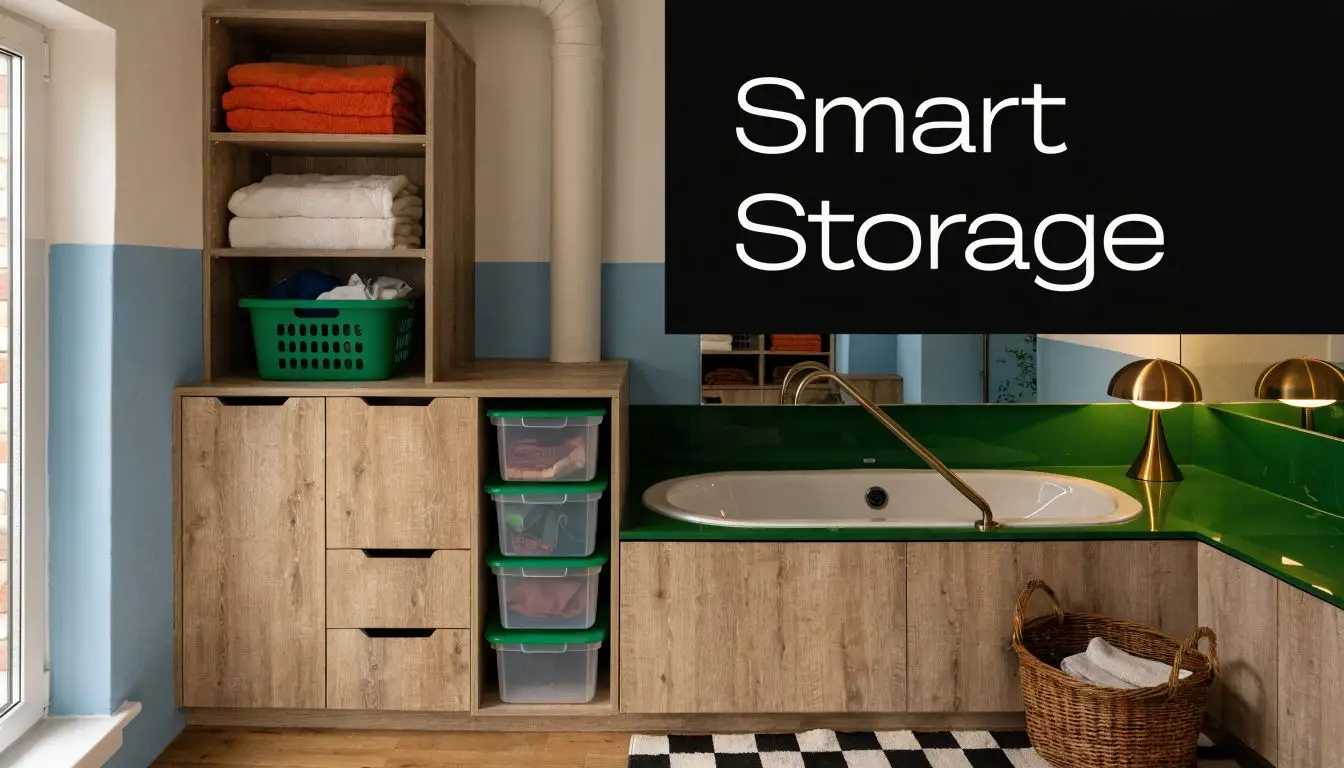
Storage that earns its floor space
In a good designer bathroom, every cabinet has a job. Tall cupboards can conceal stacked appliances and still leave room above for bulk items. A shallow overhead can hold light-use products. A base cabinet beside the machine can take a pull-out hamper or laundry basket shelf.
Useful storage ideas include:
- Tall linen towers: Good for towels and backup supplies without taking over the vanity wall.
- Internal shelves above appliances: Best for detergents and items you don’t want left on display.
- Pull-out hampers: Keeps dirty clothes contained and off the floor.
- Benchtop landing area: Even a short section matters for folding, sorting, or placing a basket.
- Closed joinery fronts: Keeps the room reading as one clean composition.
Accessibility matters in everyday use
Accessibility isn’t only about formal compliance. It’s about reducing strain and making the room easier to use over time. Front-loading machines raised within joinery can reduce bending. Handle placement, shelf height, and door clearances all affect whether the room feels effortless or annoying.
Bench height and appliance alignment need to be thought through together. This makes standard benchtop height guidance for renovation planning practical, not cosmetic. It helps set cabinetry at a level that works for daily tasks rather than just matching a visual line on an elevation.
A designer bathroom isn’t defined by expensive finishes. It’s defined by how calmly the room handles everyday use.
Small details that improve the room
Some of the strongest new bathroom ideas are quiet ones. A recessed power point inside a cupboard. A shelf tall enough for detergent bottles without wasted voids. Cabinet doors that open clear of the vanity. A towel rail placed where it doesn’t fight with appliance doors.
These choices don’t shout. They just make the room easier to live with. In modern bathrooms, that’s often what gives the space its polished feel.
Project Costs Permits and Partnering with a Builder
A combined bathroom laundry can look straightforward on plan. Then demolition starts, the wall depth is wrong for services, the floor waste falls the wrong way, or the owners corporation asks for documents no one allowed for. That is where budgets usually shift in Victorian renovations, not because the idea was ambitious, but because the build was under-scoped from the start.
In Highett and across Melbourne, I see the same pattern. The rooms that run over budget usually involve hidden framing problems, extra plumbing work, switchboard upgrades, slab penetrations, or waterproofing details that were never properly resolved before tiles were selected.
What usually drives the cost
The biggest cost items are rarely decorative. They are the parts behind the walls and under the floor that have to be done properly the first time.
- Structural changes: Removing or altering walls, adjusting noggings, or creating enough depth for drainage and ducting can add labour and engineering input.
- Service relocation: Moving waste points, hot and cold lines, power, lighting, exhaust, and appliance connections costs more than working with the existing layout.
- Custom joinery: Cabinetry that conceals machines, protects ventilation clearances, and still allows maintenance access takes more planning and better detailing.
- Apartment conditions: Access restrictions, booking lifts, protecting common areas, and working within owners corporation rules all affect labour time and sequencing.
- Finish complexity: Full-height tiling, recessed niches, custom screens, feature stone, and tight appliance integration leave less room for installation error.
A cheap quote can miss half of that.
Permits, approvals, and compliance in Victoria
Victoria is strict on wet-area work for good reason. Bathroom laundries combine plumbing, electrical, waterproofing, ventilation, and often structural changes in one compact room. If one trade gets the set-out wrong, the rest of the build can unravel quickly.
Not every project needs the same approvals, but assumptions cause trouble. In apartments and units, owners corporation approval may be required where works affect common property, service penetrations, membranes, acoustic performance, or external venting. In houses, the key questions are whether the proposed work triggers building permit requirements, whether structural work is involved, and whether all plumbing and electrical work will be carried out and certified by the right licensed practitioners.
The Victorian Building Authority sets the expectations around compliant building and plumbing work in this state. A registered builder should be checking those requirements before work starts, not after demolition.
Why the right builder changes the outcome
A bathroom laundry has very little tolerance for guesswork. Appliance sizes, door swings, waste locations, waterproofing set-downs, ventilation paths, and joinery clearances all compete for the same small footprint. General building knowledge helps, but renovation-specific experience matters more here.
The builder should be asking practical questions early. Can the existing floor system take the new drainage route without weakening the structure? Is there enough wall depth for pipework and recessed storage? Will the exhaust path comply and still perform properly? Can the washing machine be serviced without dismantling half the cabinetry?
Those questions protect the finish, the program, and the compliance side of the job.
If you are weighing up who should manage the work, this guide on why using a registered builder matters for your bathroom renovation explains what accountability should look like in a Victorian renovation.
The best value usually comes from a build that does not need rectification, reapproval, or trade call-backs six months later.
A combined bathroom laundry is a smart use of space, but only when the cost plan reflects the construction work involved. Good projects are priced around structure, services, approvals, and execution. The styling sits on top of that.