
Why Using a Registered Builder Matters for Your Bathroom Renovation

Why Using a Registered Builder Matters

A bathroom renovation is one of the most complex and high-risk upgrades in any home. Behind the tiles and fittings lies a network of plumbing, waterproofing, electrical systems, and structural elements that must work together safely and legally.

Engaging a registered builder — along with properly licensed tradesmen — is not just a recommendation. It is essential for ensuring quality workmanship, compliance, and long-term protection of your investment.


Compliance with Building Regulations

Bathrooms are classified as wet areas and must meet strict construction and waterproofing standards.

A registered builder ensures:

  • Work complies with current building codes
  • Waterproofing meets regulatory requirements
  • Structural modifications are safely executed
  • Plumbing and electrical work follow legal standards

Non-compliant renovations can lead to costly rectification work and may even void insurance claims.


Licensed Trades for Specialist Work

A professional bathroom renovation involves multiple skilled trades, including:

  • Licensed plumbers
  • Certified electricians
  • Qualified waterproofers
  • Professional tilers

Each plays a critical role in delivering a safe and functional bathroom.

For example:

  • Incorrect plumbing can cause leaks behind walls
  • Poor electrical work can create fire hazards
  • Faulty waterproofing can lead to structural damage

Using licensed tradesmen ensures each stage is completed according to industry standards.


Waterproofing: The Hidden Protection

Waterproofing is one of the most important — and most commonly compromised — aspects of bathroom renovations.

Registered builders coordinate certified waterproofers who:

  • Apply compliant membrane systems
  • Ensure correct drainage falls
  • Protect walls and subfloors

Poor waterproofing can cause mould growth, timber rot, and long-term structural deterioration.


Accountability & Project Management

A registered builder takes responsibility for:

  • Managing all trades
  • Scheduling works correctly
  • Ensuring installations occur in the proper sequence
  • Maintaining quality control

Without professional oversight, trades can overlap incorrectly — increasing the risk of failures such as:

  • Membrane damage
  • Tile cracking
  • Plumbing conflicts

Insurance & Warranty Protection

One of the biggest advantages of using a registered builder is legal protection.

Homeowners benefit from:

  • Contractual clarity
  • Workmanship warranties
  • Insurance-backed protection
  • Compliance certification

Unregistered work may leave homeowners exposed to:

  • Repair costs
  • Sale complications
  • Liability issues

Long-Term Value

A professionally renovated bathroom:

  • Enhances property value
  • Improves durability
  • Reduces maintenance risks

Future buyers and building inspectors often request compliance documentation — something only registered builders and licensed trades can provide.


Safety First

Bathrooms combine water and electricity — a potentially dangerous mix.

Licensed professionals ensure:

  • Safe electrical zoning
  • Proper ventilation
  • Correct installation of fixtures
  • Secure waterproofing

This reduces risks to both property and occupants.


Peace of Mind

Ultimately, using a registered builder provides confidence that:

  • Work is legally compliant
  • Materials are correctly installed
  • Trades are properly coordinated
  • The renovation is built to last

Final Thoughts

A bathroom renovation is not just about aesthetics — it’s about safety, durability, and compliance.

Choosing a registered builder and licensed tradesmen protects your home, your finances, and your future resale value.

Investing in qualified professionals ensures your bathroom renovation is completed to the highest standard — and stands the test of time.

  • siteprobathrooms

Installing Large Format Porcelain Tiles

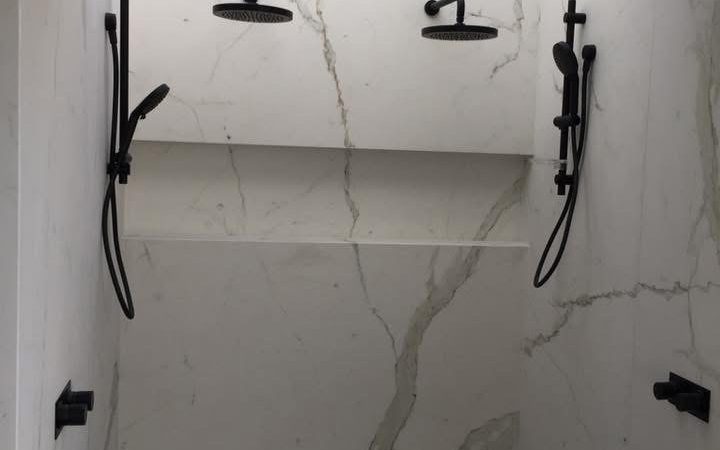
Large Format Porcelain Feature Panel Installation

Large format porcelain tiles are redefining modern interiors — creating seamless, high-end feature walls that deliver both luxury and long-term durability.

From bathroom statement walls to full-height living space panels, these oversized tiles offer a refined architectural finish that traditional tiling simply cannot achieve.

Professional installation is essential to ensure structural integrity, perfect alignment, and a flawless final result.


Expert Installation You Can Trust

With over 24 years of industry experience, Melbourne Tiling Services P/L are recognised as leading installers of large format porcelain panels.

Their specialist approach ensures:

  • Precision substrate preparation
  • Full adhesive coverage for maximum bond strength
  • Seamless panel alignment
  • Mitred edge finishing
  • Structural durability

Visit Melbourne Tiling Services to learn more about their professional installation solutions.


Why Choose Large Format Porcelain Panels?

Large format tiles (1200mm and above) are ideal for feature applications thanks to:

  • Minimal grout lines for a seamless look
  • Natural stone and concrete finishes
  • Moisture and stain resistance
  • Low-maintenance surfaces
  • Long-term durability

They transform walls into design centrepieces while maintaining practicality.


Where Feature Panels Work Best

Large format porcelain tiles are perfect for:

  • Bathroom feature walls
  • Walk-in showers
  • Kitchen splashbacks
  • Fireplace surrounds
  • Living room statement walls
  • Commercial reception areas

These installations enhance both visual impact and property value.


Precision Preparation Matters

Unlike standard tiles, large panels require perfectly level and stable surfaces.

Professional installation includes:

  • Wall levelling and preparation
  • Surface priming
  • Structural assessment
  • Advanced bonding techniques

This ensures longevity and prevents cracking or movement over time.


Advanced Installation Techniques

Installing large format porcelain tiles involves specialised methods, including:

  • Dual adhesive application (substrate & tile)
  • Mechanical levelling systems
  • Pattern and vein alignment
  • Precision cutting and mitred joins

These techniques ensure a seamless, slab-like finish.


Seamless Luxury. Built to Last.

When installed by experienced professionals, large-format porcelain feature panels create a sophisticated finish that combines design excellence with structural reliability.

With decades of expertise, Melbourne Tiling Services continues to set the benchmark for high-end porcelain panel installation across residential and commercial projects.


Upgrade Your Space Today

If you’re planning a renovation or new build, large format porcelain panels offer the perfect balance of style and performance.

Contact Melbourne Tiling Services P/L to bring your feature wall vision to life with precision installation and industry-leading craftsmanship.

  • siteprobathrooms

Safety First: Best Practices for Ensuring Worker Safety on Construction Sites

The construction industry is a dynamic and ever-evolving field that plays a vital role in shaping our built environment. For entrepreneurs and companies in the construction business, understanding the nuances of this industry is essential for long-term success. In this blog post, we’ll explore key aspects of the construction business, from market trends to effective project management and everything in between.

Understanding Market Trends

One of the first steps to thriving in the construction business is to keep a close eye on market trends. With advancements in technology, sustainable building practices, and changing consumer preferences, the construction landscape has transformed significantly. For instance, the increasing demand for green buildings and energy-efficient designs presents opportunities for construction companies to differentiate their offerings. Staying informed about industry trends can help businesses pivot and adapt their strategies to remain competitive.

Building a Strong Brand

In the construction business, reputation is everything. A strong brand can set you apart from competitors and instill confidence in potential clients. To build a recognizable and trustworthy brand, focus on delivering quality work, maintaining transparent communication, and showcasing successful projects through case studies and testimonials. Leveraging social media and a user-friendly website can also amplify your brand presence, allowing you to connect with potential clients and other stakeholders in the industry.

  1. Experience and Expertise: Highlight your company’s years of experience in the industry, showcasing specialized skills, certifications, and successful project completions that demonstrate your competency.
  2. Quality Assurance: Emphasize a commitment to high-quality materials and construction practices, along with a rigorous quality control process to ensure that projects meet or exceed industry standards.
  3. Customer-Centric Approach: Focus on exceptional customer service, including clear communication, responsiveness, and a dedication to understanding and meeting clients’ specific needs and preferences throughout the project.
  4. Sustainability Practices: Showcase your company’s commitment to environmentally friendly construction practices, including the use of sustainable materials, energy-efficient designs, and waste reduction strategies.

Effective Project Management

Project management is at the heart of any successful construction business. Implementing robust project management practices ensures that projects are completed on time, within budget, and to the desired standard. Investing in project management software can streamline workflows, enhance collaboration among team members, and improve overall productivity. Additionally, regular training and skill development for project managers and team members will foster a culture of continuous improvement and excellence.

Highlight your company’s years of experience in the industry, showcasing specialized skills, certifications, and successful project completions that demonstrate your competency.

Robert S. Faulk – Veneer Construction Company

Embracing Technology

The construction industry is witnessing a technological revolution that can significantly enhance productivity and efficiency. Tools such as Building Information Modeling (BIM), drones, and project management apps are transforming traditional construction processes. By embracing these technologies, companies can improve project visualization, accuracy, and safety. Staying updated with the latest technological advancements will not only improve your operational efficiency but also appeal to tech-savvy clients looking for modern construction solutions.

  • siteprobathrooms

Project Management Essentials: Tips for Staying on Schedule and Under Budget

The construction industry is a dynamic and ever-evolving field that plays a vital role in shaping our built environment. For entrepreneurs and companies in the construction business, understanding the nuances of this industry is essential for long-term success. In this blog post, we’ll explore key aspects of the construction business, from market trends to effective project management and everything in between.

Understanding Market Trends

One of the first steps to thriving in the construction business is to keep a close eye on market trends. With advancements in technology, sustainable building practices, and changing consumer preferences, the construction landscape has transformed significantly. For instance, the increasing demand for green buildings and energy-efficient designs presents opportunities for construction companies to differentiate their offerings. Staying informed about industry trends can help businesses pivot and adapt their strategies to remain competitive.

Building a Strong Brand

In the construction business, reputation is everything. A strong brand can set you apart from competitors and instill confidence in potential clients. To build a recognizable and trustworthy brand, focus on delivering quality work, maintaining transparent communication, and showcasing successful projects through case studies and testimonials. Leveraging social media and a user-friendly website can also amplify your brand presence, allowing you to connect with potential clients and other stakeholders in the industry.

  1. Experience and Expertise: Highlight your company’s years of experience in the industry, showcasing specialized skills, certifications, and successful project completions that demonstrate your competency.
  2. Quality Assurance: Emphasize a commitment to high-quality materials and construction practices, along with a rigorous quality control process to ensure that projects meet or exceed industry standards.
  3. Customer-Centric Approach: Focus on exceptional customer service, including clear communication, responsiveness, and a dedication to understanding and meeting clients’ specific needs and preferences throughout the project.
  4. Sustainability Practices: Showcase your company’s commitment to environmentally friendly construction practices, including the use of sustainable materials, energy-efficient designs, and waste reduction strategies.

Effective Project Management

Project management is at the heart of any successful construction business. Implementing robust project management practices ensures that projects are completed on time, within budget, and to the desired standard. Investing in project management software can streamline workflows, enhance collaboration among team members, and improve overall productivity. Additionally, regular training and skill development for project managers and team members will foster a culture of continuous improvement and excellence.

Highlight your company’s years of experience in the industry, showcasing specialized skills, certifications, and successful project completions that demonstrate your competency.

Robert S. Faulk – Veneer Construction Company

Embracing Technology

The construction industry is witnessing a technological revolution that can significantly enhance productivity and efficiency. Tools such as Building Information Modeling (BIM), drones, and project management apps are transforming traditional construction processes. By embracing these technologies, companies can improve project visualization, accuracy, and safety. Staying updated with the latest technological advancements will not only improve your operational efficiency but also appeal to tech-savvy clients looking for modern construction solutions.

  • siteprobathrooms

Navigating the Challenges of Labor Shortages in the Construction Industry

The construction industry is a dynamic and ever-evolving field that plays a vital role in shaping our built environment. For entrepreneurs and companies in the construction business, understanding the nuances of this industry is essential for long-term success. In this blog post, we’ll explore key aspects of the construction business, from market trends to effective project management and everything in between.

Understanding Market Trends

One of the first steps to thriving in the construction business is to keep a close eye on market trends. With advancements in technology, sustainable building practices, and changing consumer preferences, the construction landscape has transformed significantly. For instance, the increasing demand for green buildings and energy-efficient designs presents opportunities for construction companies to differentiate their offerings. Staying informed about industry trends can help businesses pivot and adapt their strategies to remain competitive.

Building a Strong Brand

In the construction business, reputation is everything. A strong brand can set you apart from competitors and instill confidence in potential clients. To build a recognizable and trustworthy brand, focus on delivering quality work, maintaining transparent communication, and showcasing successful projects through case studies and testimonials. Leveraging social media and a user-friendly website can also amplify your brand presence, allowing you to connect with potential clients and other stakeholders in the industry.

  1. Experience and Expertise: Highlight your company’s years of experience in the industry, showcasing specialized skills, certifications, and successful project completions that demonstrate your competency.
  2. Quality Assurance: Emphasize a commitment to high-quality materials and construction practices, along with a rigorous quality control process to ensure that projects meet or exceed industry standards.
  3. Customer-Centric Approach: Focus on exceptional customer service, including clear communication, responsiveness, and a dedication to understanding and meeting clients’ specific needs and preferences throughout the project.
  4. Sustainability Practices: Showcase your company’s commitment to environmentally friendly construction practices, including the use of sustainable materials, energy-efficient designs, and waste reduction strategies.

Effective Project Management

Project management is at the heart of any successful construction business. Implementing robust project management practices ensures that projects are completed on time, within budget, and to the desired standard. Investing in project management software can streamline workflows, enhance collaboration among team members, and improve overall productivity. Additionally, regular training and skill development for project managers and team members will foster a culture of continuous improvement and excellence.

Highlight your company’s years of experience in the industry, showcasing specialized skills, certifications, and successful project completions that demonstrate your competency.

Robert S. Faulk – Veneer Construction Company

Embracing Technology

The construction industry is witnessing a technological revolution that can significantly enhance productivity and efficiency. Tools such as Building Information Modeling (BIM), drones, and project management apps are transforming traditional construction processes. By embracing these technologies, companies can improve project visualization, accuracy, and safety. Staying updated with the latest technological advancements will not only improve your operational efficiency but also appeal to tech-savvy clients looking for modern construction solutions.

  • siteprobathrooms

The Rise of Smart Technology: How IoT is Revolutionizing Construction Sites

The construction industry is a dynamic and ever-evolving field that plays a vital role in shaping our built environment. For entrepreneurs and companies in the construction business, understanding the nuances of this industry is essential for long-term success. In this blog post, we’ll explore key aspects of the construction business, from market trends to effective project management and everything in between.

Understanding Market Trends

One of the first steps to thriving in the construction business is to keep a close eye on market trends. With advancements in technology, sustainable building practices, and changing consumer preferences, the construction landscape has transformed significantly. For instance, the increasing demand for green buildings and energy-efficient designs presents opportunities for construction companies to differentiate their offerings. Staying informed about industry trends can help businesses pivot and adapt their strategies to remain competitive.

Building a Strong Brand

In the construction business, reputation is everything. A strong brand can set you apart from competitors and instill confidence in potential clients. To build a recognizable and trustworthy brand, focus on delivering quality work, maintaining transparent communication, and showcasing successful projects through case studies and testimonials. Leveraging social media and a user-friendly website can also amplify your brand presence, allowing you to connect with potential clients and other stakeholders in the industry.

  1. Experience and Expertise: Highlight your company’s years of experience in the industry, showcasing specialized skills, certifications, and successful project completions that demonstrate your competency.
  2. Quality Assurance: Emphasize a commitment to high-quality materials and construction practices, along with a rigorous quality control process to ensure that projects meet or exceed industry standards.
  3. Customer-Centric Approach: Focus on exceptional customer service, including clear communication, responsiveness, and a dedication to understanding and meeting clients’ specific needs and preferences throughout the project.
  4. Sustainability Practices: Showcase your company’s commitment to environmentally friendly construction practices, including the use of sustainable materials, energy-efficient designs, and waste reduction strategies.

Effective Project Management

Project management is at the heart of any successful construction business. Implementing robust project management practices ensures that projects are completed on time, within budget, and to the desired standard. Investing in project management software can streamline workflows, enhance collaboration among team members, and improve overall productivity. Additionally, regular training and skill development for project managers and team members will foster a culture of continuous improvement and excellence.

Highlight your company’s years of experience in the industry, showcasing specialized skills, certifications, and successful project completions that demonstrate your competency.

Robert S. Faulk – Veneer Construction Company

Embracing Technology

The construction industry is witnessing a technological revolution that can significantly enhance productivity and efficiency. Tools such as Building Information Modeling (BIM), drones, and project management apps are transforming traditional construction processes. By embracing these technologies, companies can improve project visualization, accuracy, and safety. Staying updated with the latest technological advancements will not only improve your operational efficiency but also appeal to tech-savvy clients looking for modern construction solutions.

  • siteprobathrooms

Sustainable Construction: Building for the Future with Eco-Friendly Materials

The construction industry is a dynamic and ever-evolving field that plays a vital role in shaping our built environment. For entrepreneurs and companies in the construction business, understanding the nuances of this industry is essential for long-term success. In this blog post, we’ll explore key aspects of the construction business, from market trends to effective project management and everything in between.

Understanding Market Trends

One of the first steps to thriving in the construction business is to keep a close eye on market trends. With advancements in technology, sustainable building practices, and changing consumer preferences, the construction landscape has transformed significantly. For instance, the increasing demand for green buildings and energy-efficient designs presents opportunities for construction companies to differentiate their offerings. Staying informed about industry trends can help businesses pivot and adapt their strategies to remain competitive.

Building a Strong Brand

In the construction business, reputation is everything. A strong brand can set you apart from competitors and instill confidence in potential clients. To build a recognizable and trustworthy brand, focus on delivering quality work, maintaining transparent communication, and showcasing successful projects through case studies and testimonials. Leveraging social media and a user-friendly website can also amplify your brand presence, allowing you to connect with potential clients and other stakeholders in the industry.

  1. Experience and Expertise: Highlight your company’s years of experience in the industry, showcasing specialized skills, certifications, and successful project completions that demonstrate your competency.
  2. Quality Assurance: Emphasize a commitment to high-quality materials and construction practices, along with a rigorous quality control process to ensure that projects meet or exceed industry standards.
  3. Customer-Centric Approach: Focus on exceptional customer service, including clear communication, responsiveness, and a dedication to understanding and meeting clients’ specific needs and preferences throughout the project.
  4. Sustainability Practices: Showcase your company’s commitment to environmentally friendly construction practices, including the use of sustainable materials, energy-efficient designs, and waste reduction strategies.

Effective Project Management

Project management is at the heart of any successful construction business. Implementing robust project management practices ensures that projects are completed on time, within budget, and to the desired standard. Investing in project management software can streamline workflows, enhance collaboration among team members, and improve overall productivity. Additionally, regular training and skill development for project managers and team members will foster a culture of continuous improvement and excellence.

Highlight your company’s years of experience in the industry, showcasing specialized skills, certifications, and successful project completions that demonstrate your competency.

Robert S. Faulk – Veneer Construction Company

Embracing Technology

The construction industry is witnessing a technological revolution that can significantly enhance productivity and efficiency. Tools such as Building Information Modeling (BIM), drones, and project management apps are transforming traditional construction processes. By embracing these technologies, companies can improve project visualization, accuracy, and safety. Staying updated with the latest technological advancements will not only improve your operational efficiency but also appeal to tech-savvy clients looking for modern construction solutions.